Power outages in North Texas aren’t just inconvenient—they can disrupt your home or business for hours. Getting a backup generator Plano experts trust means thinking beyond just buying equipment. You need the right size, fuel type, placement, and permits to keep your property running smoothly during those unexpected blackouts. This guide breaks down what you must consider before your standby generator Dallas installation.
Generator Sizing and Load Calculation
Choosing the right generator size is crucial to keep your essential systems running. You want a generator that can handle your power needs comfortably without overloading.
Understanding Load Requirements
To start, consider what you need to keep powered during an outage. Think about essentials like lighting, refrigeration, and heating or cooling systems. List these items and check their power requirements. This helps in calculating the total load your generator must support. Remember, it’s not about maxing out your generator’s capacity but ensuring it meets your needs during a crisis.
Generator Sizing Guide
Once you know your load requirements, sizing becomes straightforward. Use a generator sizing guide to match your power needs with the appropriate generator capacity. Typically, a 10-20 kW generator suits most homes, while commercial properties might need 30 kW or more. Consult a professional for precise calculations to avoid buying a generator that’s too small or unnecessarily large.
Importance of Proper Sizing
Proper sizing prevents issues like overload and fuel inefficiency. An undersized generator struggles and may fail, while an oversized one wastes energy. Ensure your generator is well-suited to your home’s power needs to maintain efficiency and reliability during an outage.
Fuel Choices and Power Options
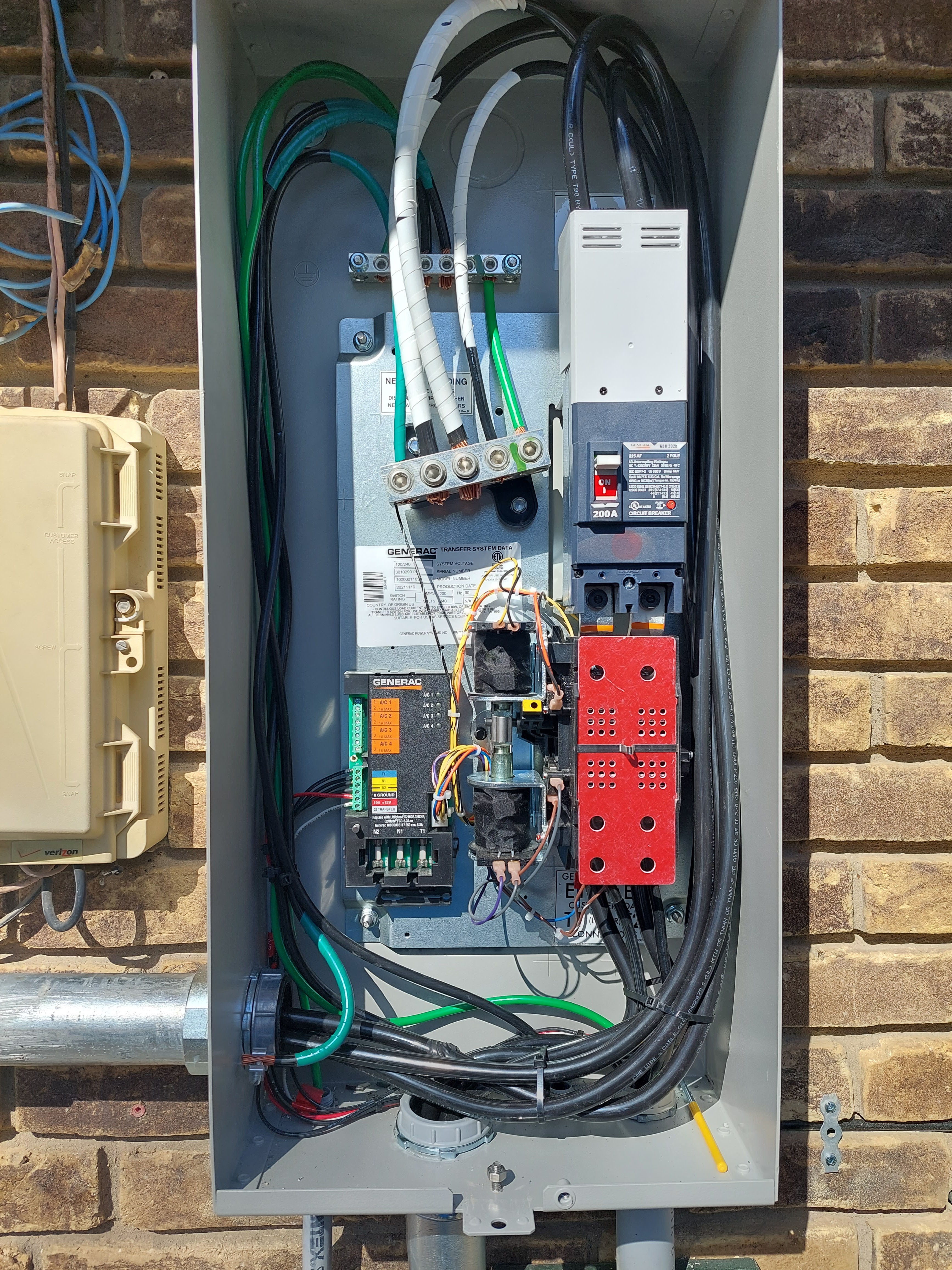
Selecting the right fuel impacts your generator’s performance and cost. North Texas offers a few primary options, each with distinct benefits.
Natural Gas Generator Texas
Natural gas is a popular choice in Texas due to its availability and cost-effectiveness. A natural gas generator connects directly to your gas line, offering convenience since there’s no need to refuel manually. It’s a reliable option, especially for long-term outages, as it won’t run out of fuel easily.
Propane Generator North Texas
Propane offers portability and clean-burning benefits. A propane generator can store fuel indefinitely, making it a great option if you want backup fuel ready at all times. It’s also quieter and more environmentally friendly compared to diesel.
Diesel vs. Other Fuels
Diesel generators are robust, offering high power output and efficiency. However, they require more maintenance and produce more emissions. Decide based on your power needs: if you need heavy-duty performance, diesel is a solid choice. Otherwise, natural gas or propane might serve you better with fewer emissions and simpler maintenance.
Placement and Permits Compliance
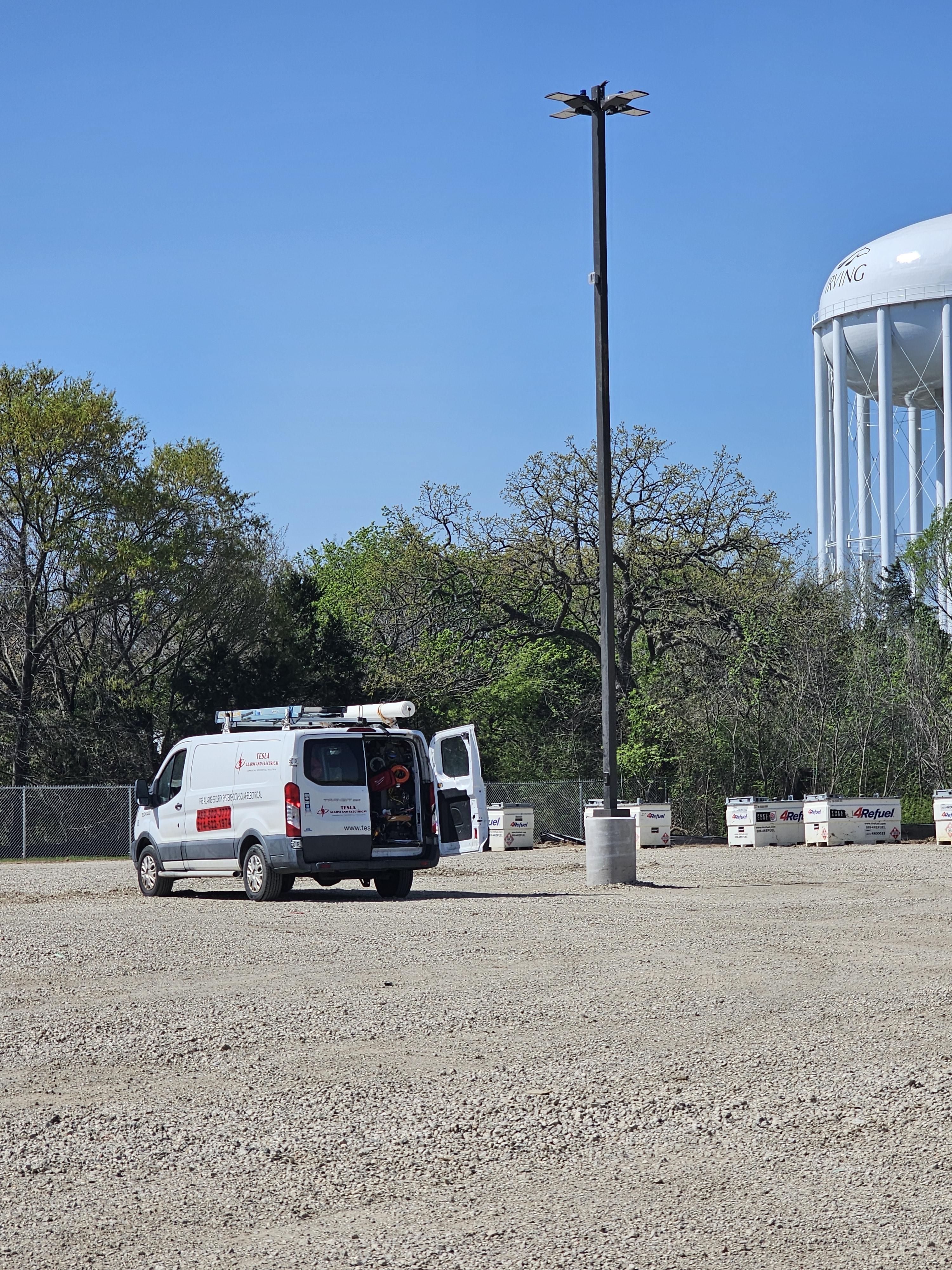
After choosing a generator, placement and permits are the next steps. Proper placement ensures safety and compliance with local regulations.
Quiet Residential Generator Placement
When placing a generator, consider noise and proximity to living areas. A quiet residential generator placement might involve installing it away from bedrooms or common areas to minimize disturbance. Ensure there’s adequate ventilation to prevent overheating.
Generator Permits Plano Dallas
Navigating permits can seem daunting, but it’s essential for legal compliance. Check with local authorities in Plano and Dallas to understand the generator permits required. Some areas may have specific codes or noise restrictions that impact where and how you can install your generator.
NFPA 110 and NEC 702 Standards
Compliance with standards like NFPA 110 and NEC 702 ensures safety and reliability. These standards cover installation, maintenance, and operation, crucial for protecting your property and ensuring your generator functions during emergencies. Consulting with an expert ensures you meet all necessary requirements without hassle.
Frequently Asked Questions
What size generator do I need for my home?
For most homes, a 10-20 kW generator suffices to power essentials. Consider your specific needs and consult a professional for precise calculations.
Which fuel type is best for a North Texas generator?
Natural gas is convenient and cost-effective in Texas. However, propane is beneficial for its storage and clean-burning properties, while diesel is ideal for high power demands.
How do I comply with generator placement regulations in Plano?
Check local ordinances for noise and placement restrictions. Obtain necessary permits and consult with a professional to ensure compliance with all regulations.
Why is generator sizing important?
Proper sizing prevents overload and ensures fuel efficiency. An appropriately sized generator meets your power needs without unnecessary waste or risk of failure.
What standards should my generator meet?
Ensure your generator complies with NFPA 110 and NEC 702 standards. These cover installation and maintenance, crucial for safe and reliable operation.