Power outages in North Texas are more common than most expect, and they catch homes and businesses off guard every year. When the grid goes down, having a solid backup power plan can keep your lights on and operations running smoothly. This guide will help you build a reliable strategy for backup power North Texas relies on, covering everything from generator sizing to automatic transfer switch installation.
Risk Assessment and Planning
Creating a backup power plan starts with understanding the risks you face. Knowing these can guide your choices and ensure preparedness.
Identifying Power Outage Risks
Power outages can strike unexpectedly, impacting both homes and businesses. In North Texas, weather events like storms can lead to sudden blackouts. Understanding these risks helps you take proactive steps to safeguard your property. Start by assessing past occurrences in your area. Talk to neighbors or check community forums like this Reddit thread about generator and solar installations in Fort Worth. This can give insight into local experiences and solutions.
Business Continuity Considerations
For businesses, continuity during an outage is crucial. A power failure can halt operations, causing loss of revenue. Evaluate your critical systems: which ones must remain active during a blackout? Identifying these helps prioritize backup power needs. Consider consulting with professionals to outline a plan that keeps your essential functions running. Think about backup systems that suit your specific business model.
Home Backup Needs
In homes, power outages can disrupt daily life. Having a backup plan ensures comfort and safety. Consider your family’s specific needs: do you have medical devices that require power? What about perishables in your fridge? List these essentials to determine the power capacity you’ll need. Knowing your requirements helps you choose between a whole-home battery backup or a standby generator.
Choosing the Right Backup System
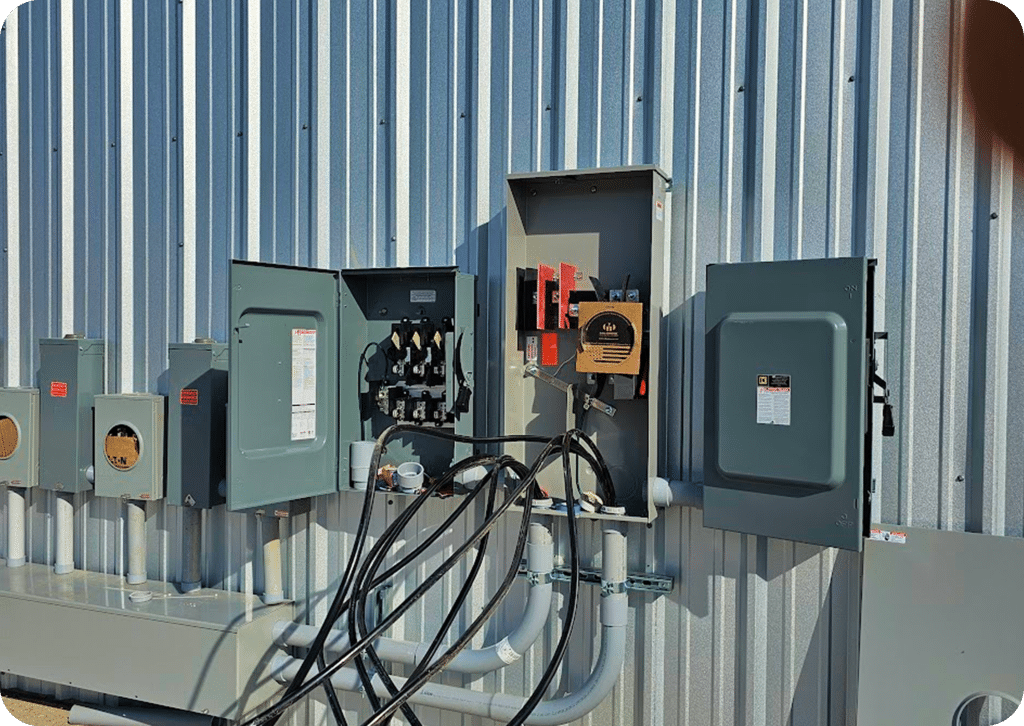
Once risks are assessed, choosing the right system is your next step. You have options, and understanding them is key to making a wise decision.
Generator vs. Battery Backup
When it comes to backup power, generators and batteries both offer solutions. Generators, like the home generator options available in Plano, TX, typically run on fuel and provide significant power capacity. They’re often preferred for extended outages. Batteries, on the other hand, are quieter and environmentally friendly. A whole-home battery backup can integrate with solar panels, offering a clean energy solution. Consider your priorities: is sustainability important, or is sheer power capacity your main concern?
Sizing and Load Calculation
Correct sizing is crucial for effective backup power. This involves calculating your load requirements. Identify all appliances and systems you wish to power during an outage. Add up their wattages to determine your total energy needs. Accurate calculations ensure you select a generator or battery that can handle your load without issues. Online calculators or professional assessments can assist in getting this right.
Fuel Options: Natural Gas vs. Propane
Selecting the right fuel for your generator is another consideration. Natural gas and propane are common options. Natural gas generators in Plano are convenient as they connect to your home’s gas line, offering continuous fuel supply. Propane generators, found in places like Dallas, allow you to store fuel on-site, but require regular refills. Evaluate the availability and costs of these fuels in your area to decide which is best for your needs.
Installation and Maintenance Essentials
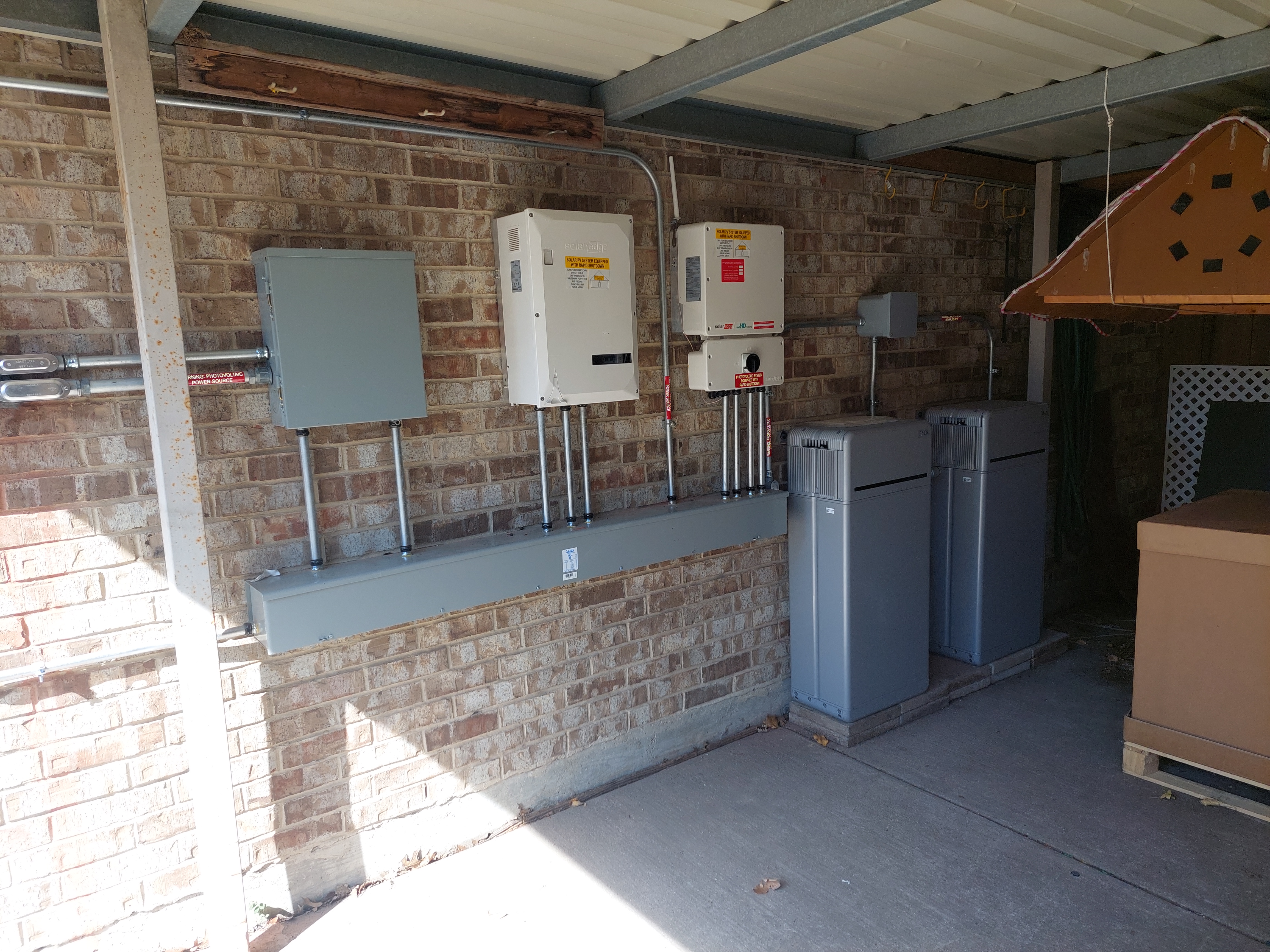
Choosing and installing your backup system is just the beginning. Ongoing maintenance ensures reliability when you need it most.
Automatic Transfer Switch Installation
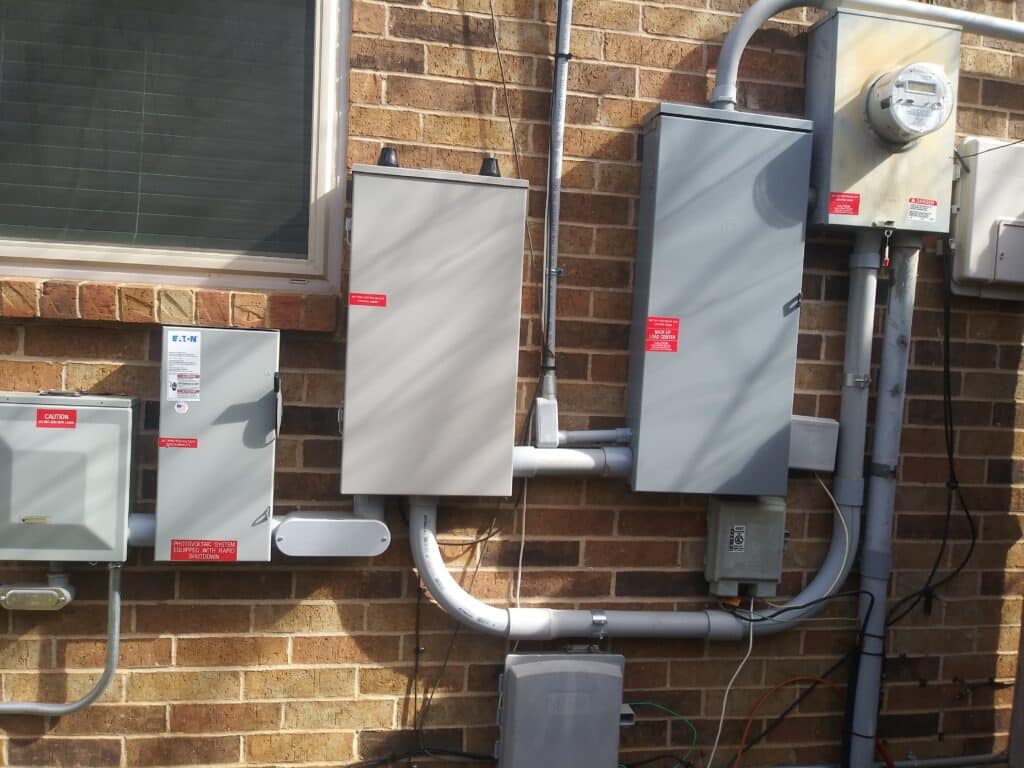
An automatic transfer switch (ATS) is an essential component of your backup system. It seamlessly switches power from the grid to your generator during an outage. ATS installation ensures there’s no interruption to your power supply, maintaining your home’s or business’s operations smoothly.
Compliance with NFPA 110 and UL 1008
Ensuring compliance with safety standards like NFPA 110 and UL 1008 is crucial. These standards guarantee that your system meets safety and performance benchmarks. Compliance also provides peace of mind, knowing that your system operates safely and effectively.
Preventive Maintenance and Emergency Support
Routine maintenance of your backup system is vital. Regular checks help catch issues early, preventing failures during outages. Scheduling annual inspections and servicing keeps your system in top condition. Consider support plans that include 24/7 emergency electrician services, ensuring help is available when unexpected issues arise.
Frequently Asked Questions
What are the main differences between a generator and a battery backup?
Generators provide more power capacity and can run for longer periods when fueled, making them ideal for extended outages. Battery backups are quieter, cleaner, and integrate well with solar energy systems but may have limited capacity.
How do I calculate the right size for my backup power system?
Start by noting all appliances and systems you want to keep running during an outage. Add their wattages to estimate your total power needs. Consider using online tools or consulting with professionals to confirm your calculations.
Is propane or natural gas better for a generator?
Natural gas offers a continuous fuel supply and convenience if you have a gas line. Propane can be stored on-site and is easier to transport. Evaluate availability and cost in your area to choose the right option.
Why is an automatic transfer switch important?
An ATS ensures your power transitions seamlessly from the grid to your backup system, avoiding any disruption. It automatically detects outages and switches the power source, keeping your operations running smoothly.
What maintenance does a backup power system require?
Regular inspections, testing, and servicing are key. Maintenance includes checking fuel levels, testing the transfer switch, and ensuring all components are functioning properly. Consider a service plan with emergency support for peace of mind.