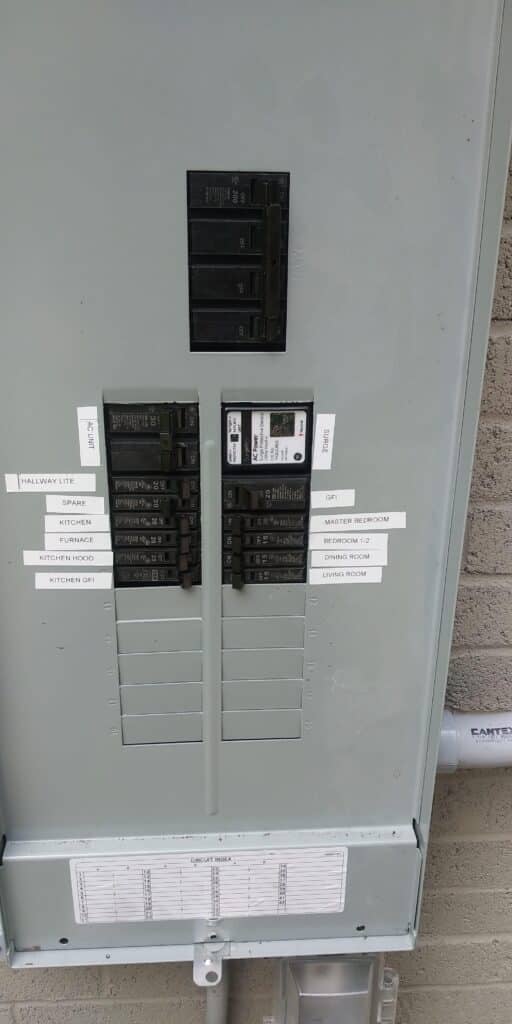
Many homeowners in Plano rush into EV charger installation without checking if their electrical panel can handle it. That mistake often leads to tripped breakers or expensive panel upgrades down the road. Planning your Level 2 EV charger with a proper EV charging load calculation keeps your system running smoothly and saves you headaches. Here’s how to prepare your home EV charging setup in Plano without overloading your electrical panel.
Plan your Level 2 EV charger installation with Tesla Alarm and Electrical to ensure a smooth and reliable setup.
Understanding Your Electrical Panel
Before diving into EV charging setups, it’s crucial to understand your home’s electrical panel. This knowledge helps you avoid overloading your system.
Assessing Panel Capacity
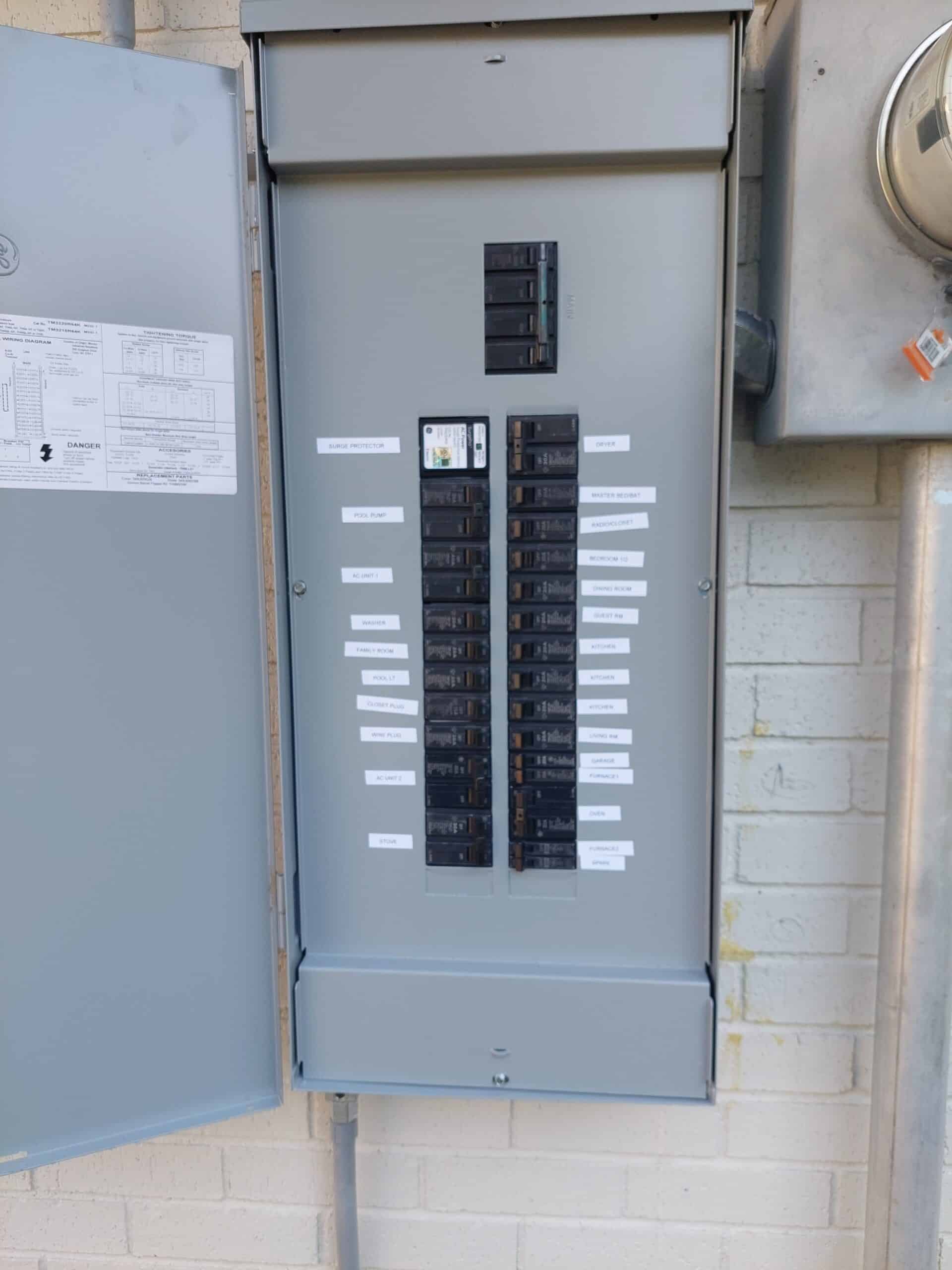
First, get familiar with the capacity of your electrical panel. Most residential panels are rated between 100 and 200 amps. If you’re unsure about your panel’s capacity, look for labels on the panel door or consult a professional. Knowing this is essential because adding a Level 2 EV charger increases the electrical load. For an accurate assessment, you might want to hire a licensed electrician in Plano. They can help determine if your panel can support the additional load or if an upgrade is necessary.
Importance of Load Calculation
Load calculation ensures your electrical system can handle new additions like an EV charger. It involves tallying up the power usage of all devices and appliances in your home. This process helps you see the total demand on your system. Use a reliable method like the NEC 220 load calc to perform this calculation. Understanding this demand means you’re less likely to overload your panel, preventing future issues like tripped breakers.
When to Consider an Upgrade
Sometimes, an upgrade is the best solution. If your panel is old or frequently trips breakers, it may not handle modern demands. An upgrade increases safety and prepares your home for future technology. Consider upgrading if your panel is over 20 years old or you plan to add multiple high-demand devices. A new panel also adds value to your home, a great benefit if you plan to sell in the future.
Planning Your EV Charger Installation
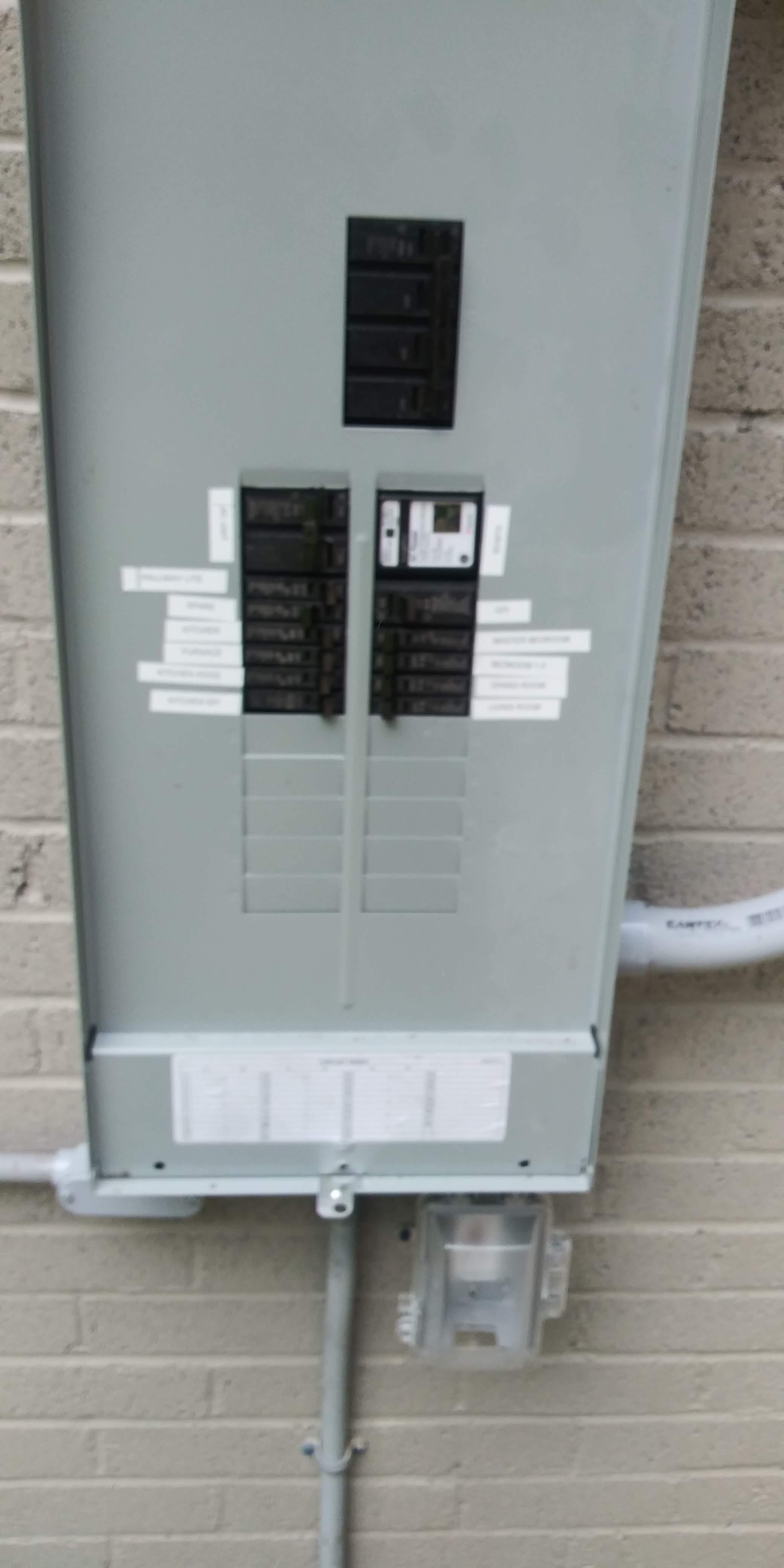
With your panel assessment complete, it’s time to plan your EV charger installation. This step ensures a smooth setup process.
Choosing the Right Charger
Selecting the right charger involves more than just brand preference. Chargers come in various power levels, affecting charging speed and installation requirements. Level 2 chargers are popular for home use, offering a good balance of speed and efficiency. Consult with a Plano electrician to choose a charger that fits your needs and your panel’s capacity. Research different models and consider future needs, such as multiple EVs.
Permitting and Regulations
Before installation, check local regulations and permitting requirements. In Plano, permits ensure that installations meet safety standards. Failing to obtain permits can lead to fines and future complications. Your electrician can help navigate the permitting process, ensuring compliance with local codes. This step protects both your property and your investment.
Smart Load Management Solutions
Smart load management optimizes your home’s energy use, balancing the load between your EV charger and other appliances. This technology adjusts charging speed based on available power, preventing overloads. Smart systems are especially useful for homes with limited panel capacity. Consider integrating a smart load management system to enhance your setup’s efficiency and reliability.
Installation and Safety Considerations
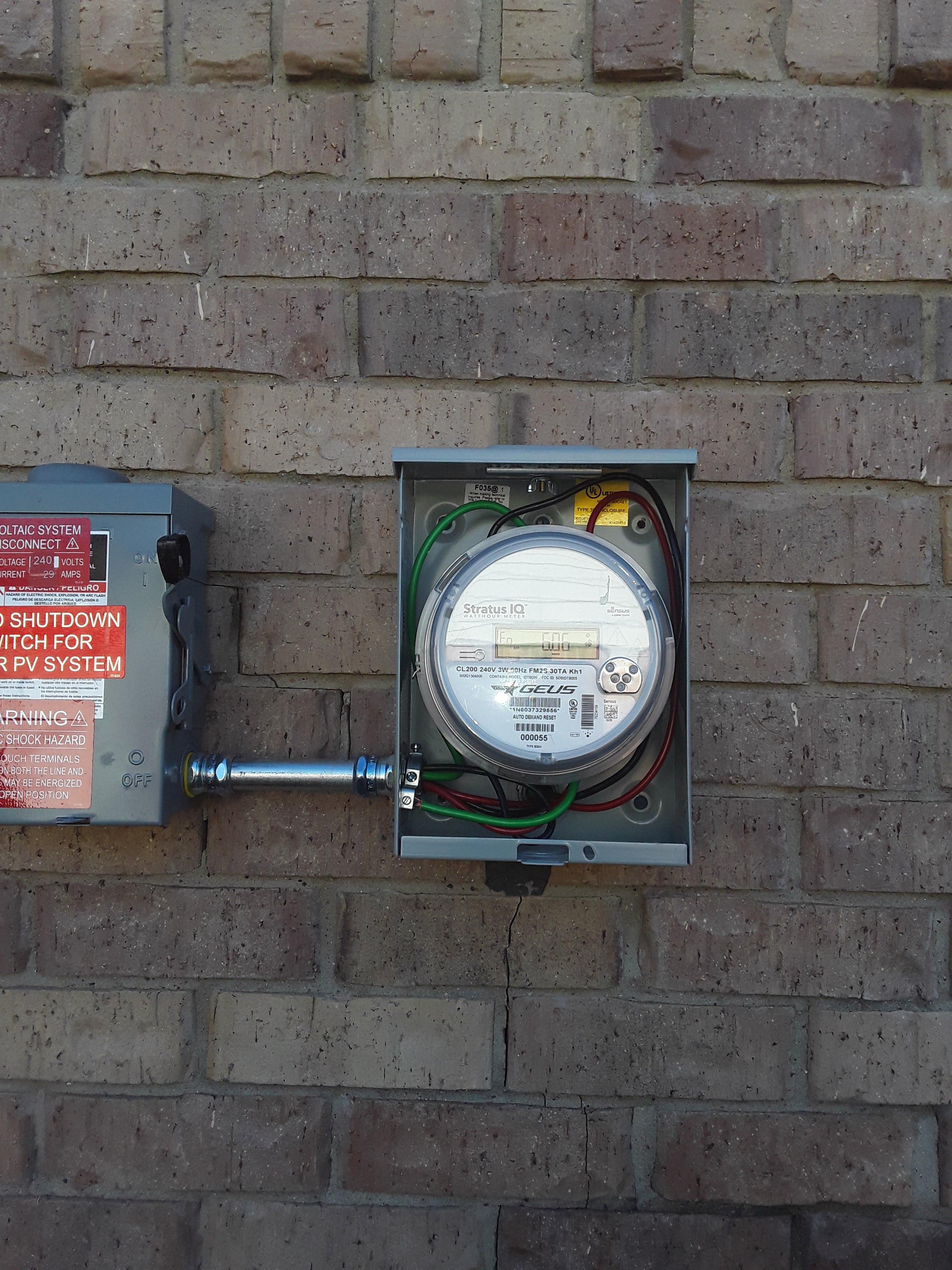
Ensuring safety during installation is paramount. Following these guidelines protects your home and your family.
GFCI and Surge Protection
Ground Fault Circuit Interrupter (GFCI) and surge protection are vital for any electrical installation. GFCIs prevent electrical shocks, while surge protectors guard against power spikes. Both are critical for EV chargers, which operate at high power levels. Ensure your installation includes these safety features to protect your home and devices.
NEMA 14-50 Outlets Explained
A common choice for EV chargers, the NEMA 14-50 outlet is robust and reliable. It supports high-power devices and is easy to install. Understanding its benefits helps in choosing the right setup for your home. Ensure your outlet is installed by a professional to guarantee safety and compliance with local regulations.
Integrating with Smart Home Systems
Integrating your EV charger with smart home systems offers convenience and efficiency. You can monitor and control charging remotely, optimizing energy use. Smart systems can schedule charging during off-peak hours, reducing costs. Explore integration options that fit your lifestyle and enhance your home’s technological capabilities.
Frequently Asked Questions
What is a load calculation, and why is it important?
A load calculation determines your home’s total electrical demand. It ensures your system can handle additional devices like an EV charger without overloading, preventing tripped breakers and costly upgrades.
Do I need a permit for an EV charger installation in Plano?
Yes, most installations require a permit to comply with local safety regulations. Permits ensure your setup meets current electrical codes and protects your home from potential hazards.
What is a NEMA 14-50 outlet, and why is it recommended?
A NEMA 14-50 outlet is a high-power, heavy-duty electrical outlet ideal for EV chargers. It provides reliable power delivery and is easy to install, making it a popular choice for home charging setups.