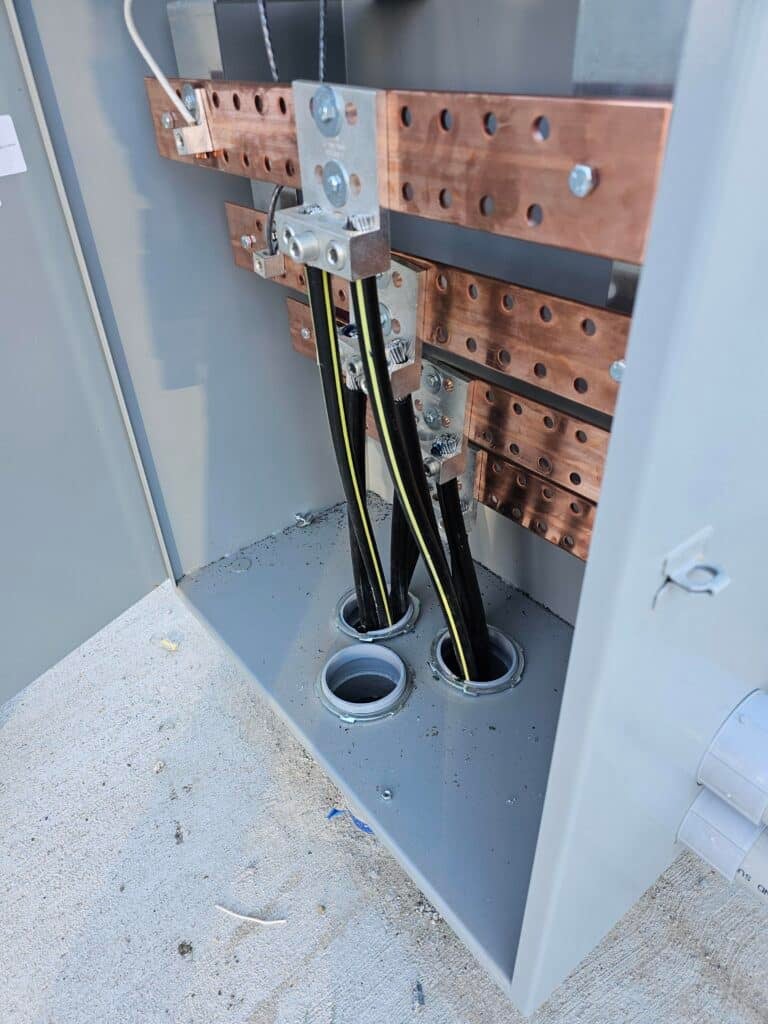
Lightning strikes cause more than just loud booms in Plano and the DFW area—they can wreck your appliances and electrical systems in seconds. Many homes and businesses underestimate how vulnerable their wiring and devices are during storm season Texas power surges. This post breaks down a practical, layered approach to lightning surge protection Plano residents can trust to keep their systems running smoothly. For more information, check this dictionary definition of protect.
Understanding Lightning Surge Risks
Lightning surges pose a hidden but serious threat to your home’s electrical integrity. Many believe simple plug-in surge protectors suffice, but is that true?
Common Myths About Surge Protection
Many people think that all surge protectors are the same. Plugging your TV into a power strip doesn’t mean it’s safe from lightning. Those strips are not designed to handle the massive voltage from a strike. Whole house surge protectors provide better coverage by stopping surges at the main electrical panel, shielding your entire home. Remember that relying solely on a single method leaves gaps in protection and that could be costly.
Real Threats to Home and Business
Ignoring surge protection can lead to significant damage. Imagine losing expensive appliances or, worse, having a fire risk due to a lightning strike. This is not just about electronics; it affects your safety and peace of mind. Homes have seen fried appliances and damaged wiring, while businesses face downtime and expensive repairs. Investing in comprehensive protection is key to avoiding these headaches and ensuring everything runs smoothly.
Layers of Surge Protection
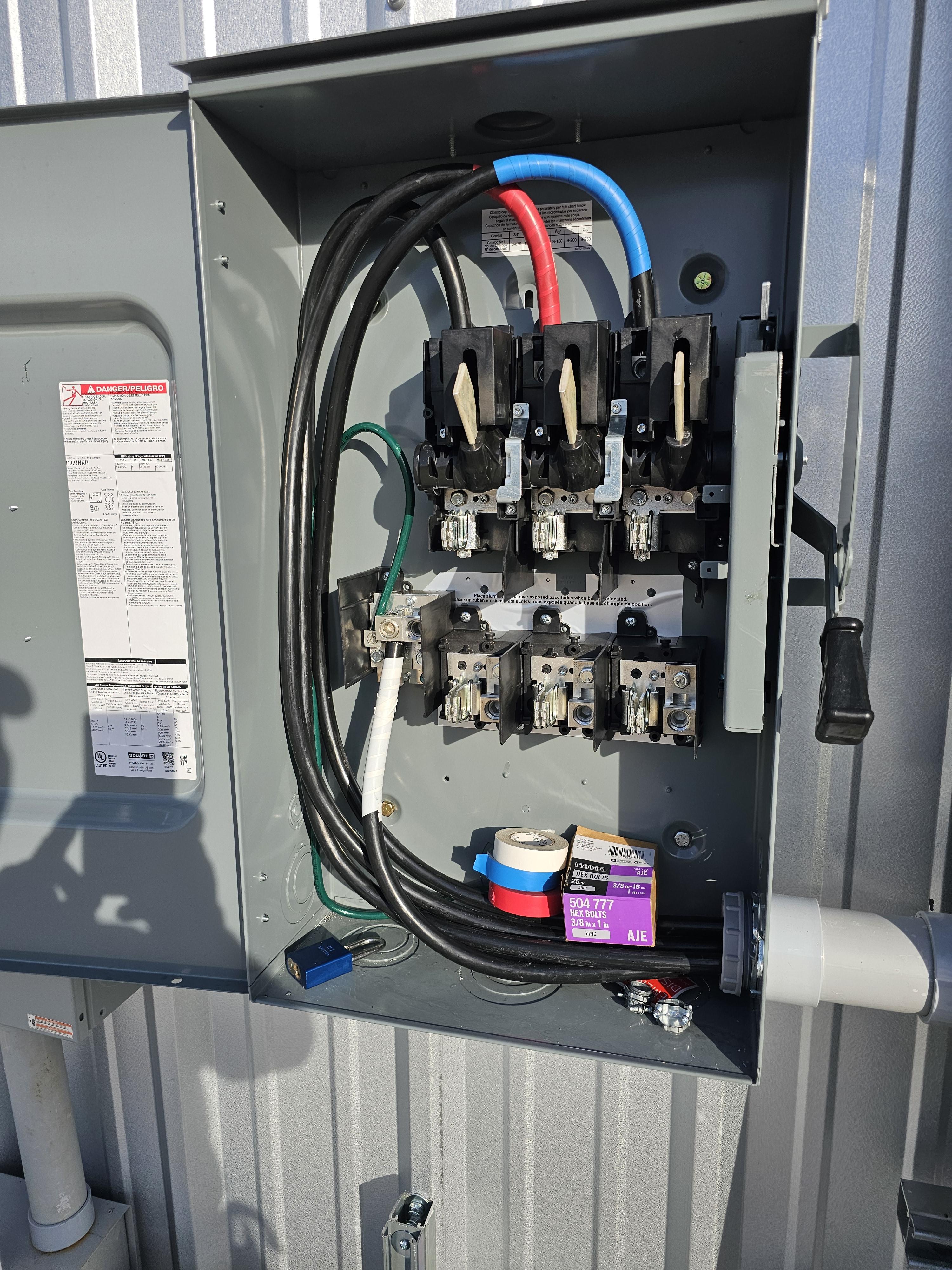
Creating a shield against lightning requires multiple layers. Each has a role in keeping your systems safe.
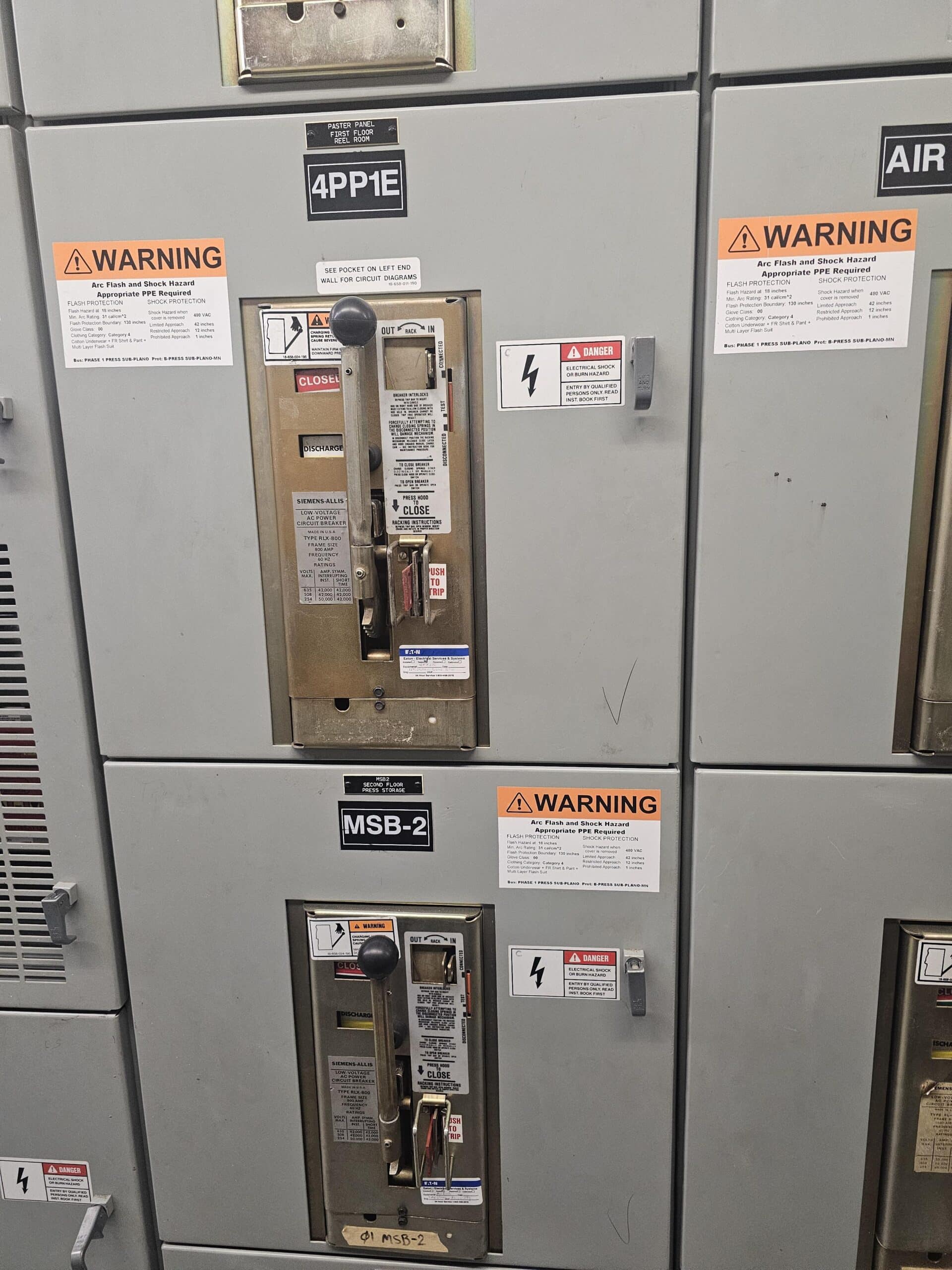
Service-Entrance and Electrical Panels
The first line of defense is installing a surge protector at the service entrance. This device intercepts surges before they enter your home. Electrical panel surge devices protect circuits from overloads. By placing protection here, you can prevent damage to your entire electrical system. This method is a proven way to block surges at their entry point, ensuring they don’t spread through your wiring.
Grounding and Bonding Essentials
Proper grounding is essential for safety. It directs excess electricity safely into the ground. Without it, surges can travel through your home, damaging anything connected. Bonding connects different parts of your electrical system, ensuring they share the same ground. This setup enhances the effectiveness of surge protectors and is crucial for preventing dangerous situations. Grounding and bonding in DFW are standard practices to ensure reliability during storms.
Point-of-Use and Low-Voltage Devices
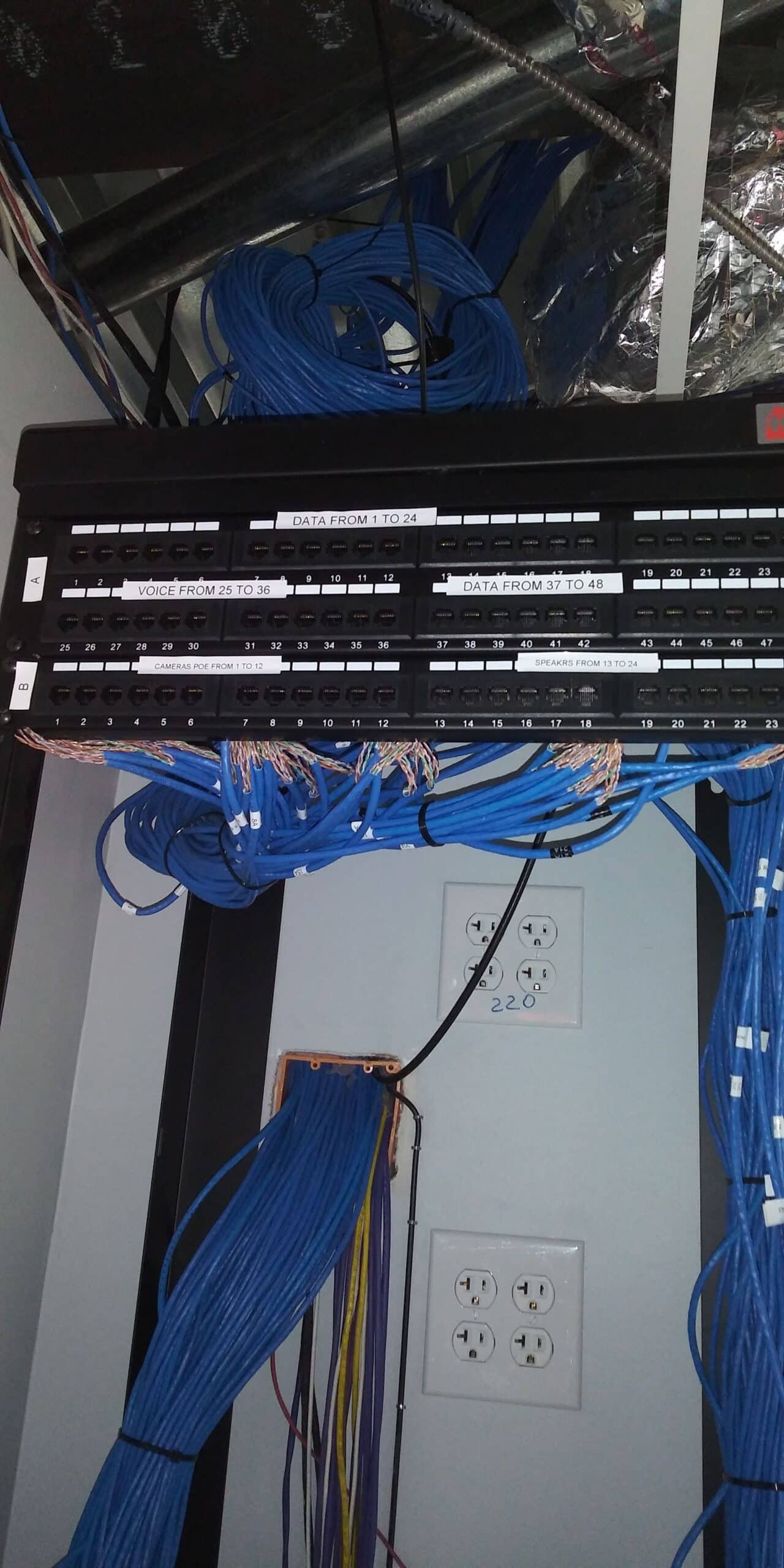
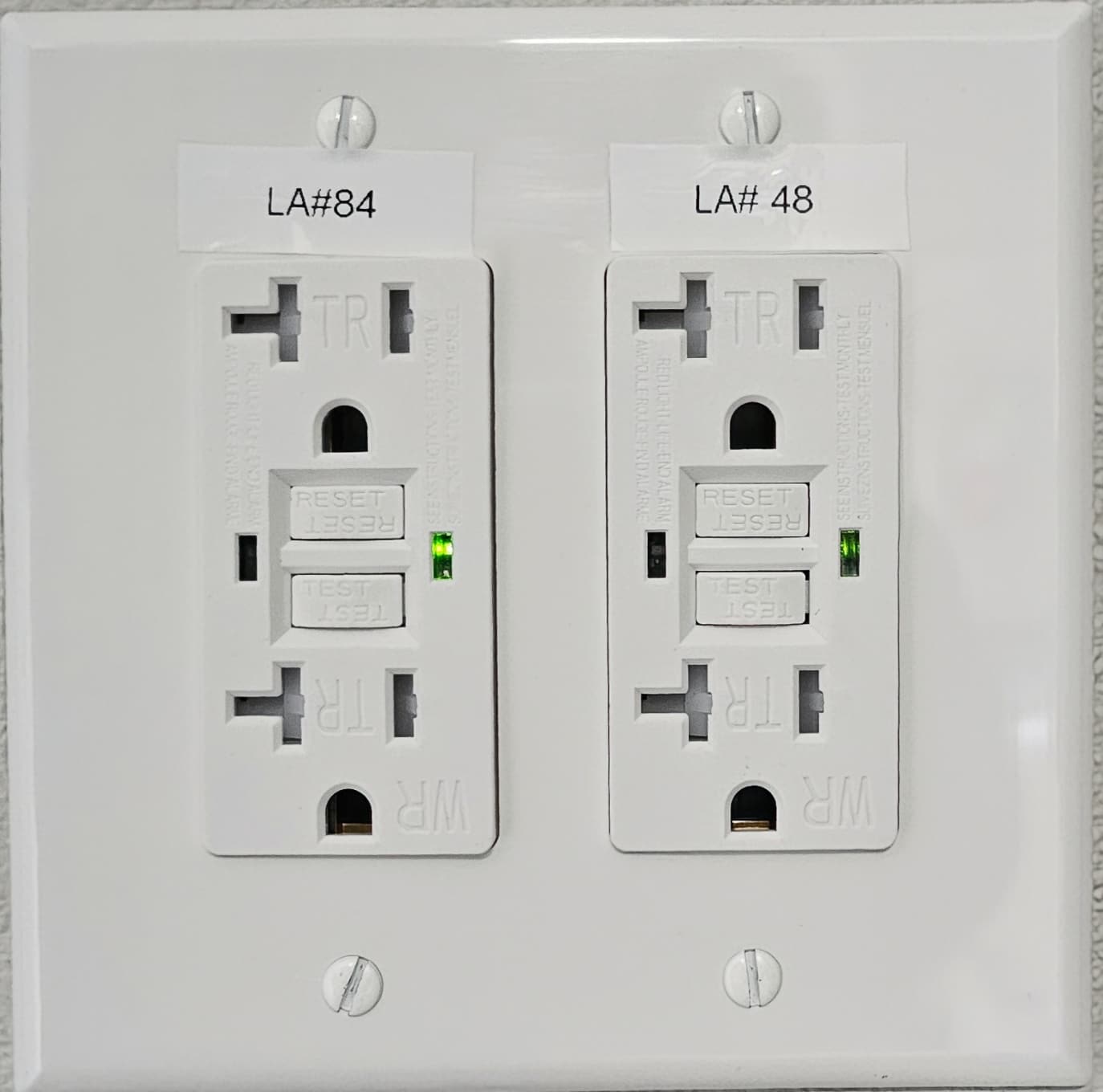
Plugging in point-of-use protectors adds another layer. These devices shield individual pieces of equipment from surges. They’re especially useful for delicate electronics like computers and TVs. Low-voltage devices, like security cameras, need special attention. Without proper protection, they can be vulnerable to surges too. Ensuring these devices have surge protection is vital for maintaining their functionality during storms.
Enhancing Safety and Readiness
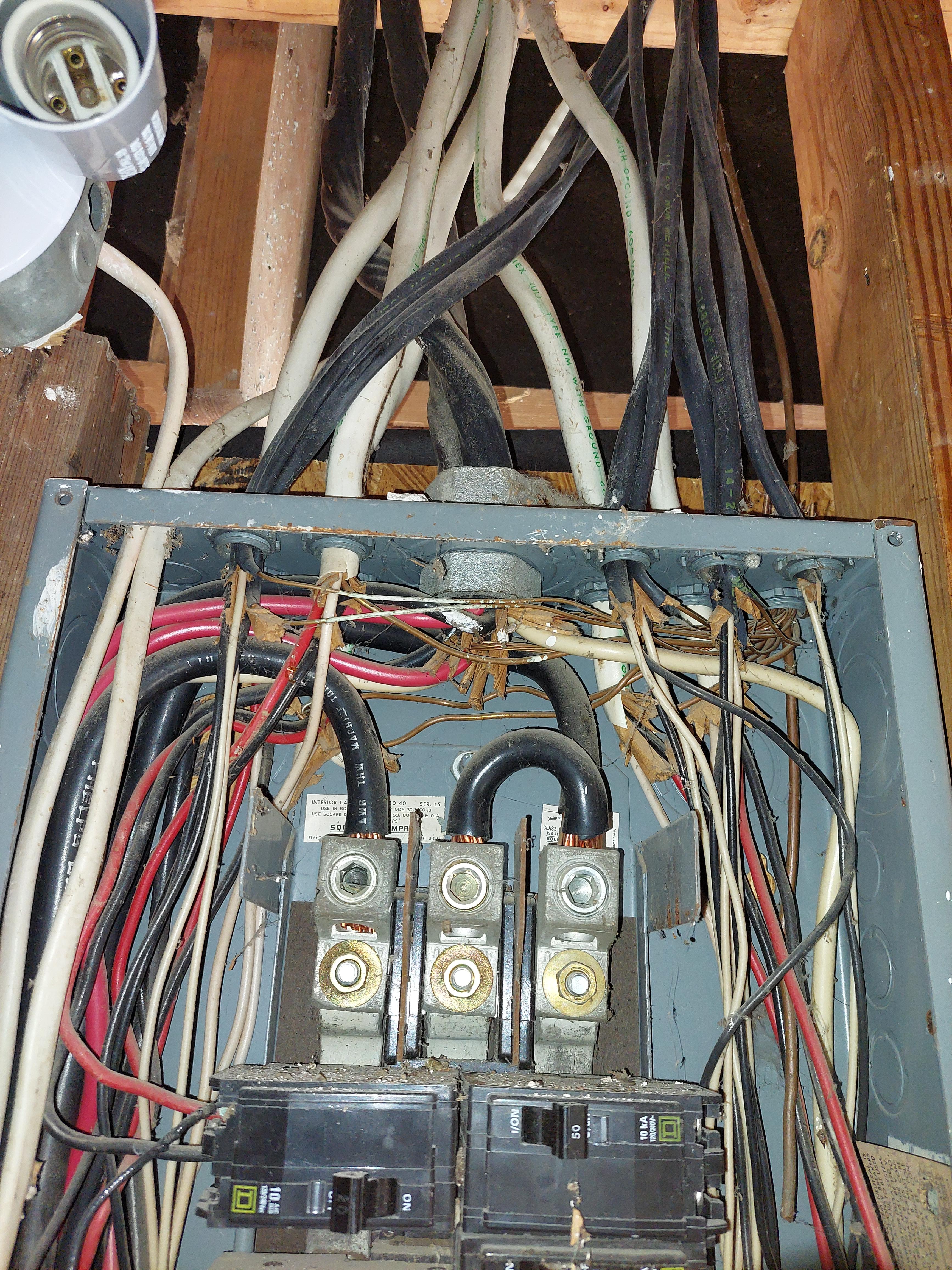
Beyond installing protectors, keeping your system in top shape is crucial for ongoing safety.
Maintenance and Regular Checks
Regular maintenance keeps your surge protection working efficiently. Schedule inspections to catch any issues early. Over time, surge protectors can wear out, reducing their effectiveness. Checking them regularly ensures they are ready for the next storm. Surge protection for appliances is a worthwhile investment, safeguarding your home from unexpected electrical spikes.
Partnering with Local Experts
Trusting experts like Tesla Alarm and Electrical ensures your system is installed correctly. Experienced professionals can assess your unique needs and provide tailored solutions. They offer peace of mind, knowing your home is in good hands. Local experts understand the specific challenges in the area and can recommend the best strategies for protection.
Frequently Asked Questions
What is the best way to protect my home from lightning surges?
Using a combination of whole-house surge protectors and point-of-use devices offers the best defense against lightning surges. This layered approach shields both your wiring and individual electronics.
Can grounding alone protect my home from surges?
While grounding is an essential safety feature, it cannot prevent surges on its own. It works best when combined with surge protectors at various points in your electrical system.
How often should surge protectors be replaced?
Surge protectors should be checked regularly and replaced if they show signs of wear. Generally, it’s good practice to replace them every 3-5 years or after a major surge event.
Do all electronic devices need surge protection?
Yes, especially high-value and sensitive electronics like computers, TVs, and home security systems. Surge protection helps prevent costly damage and ensures your devices operate safely.
Why should I hire a local expert for surge protection?
Local experts provide tailored solutions based on regional storm patterns and electrical requirements. Their experience ensures a reliable and effective protection system for your home or business.
For more insights, visit this resource. Whether it’s safeguarding your home or business, the right surge protection measures can save you from unexpected and costly damages.