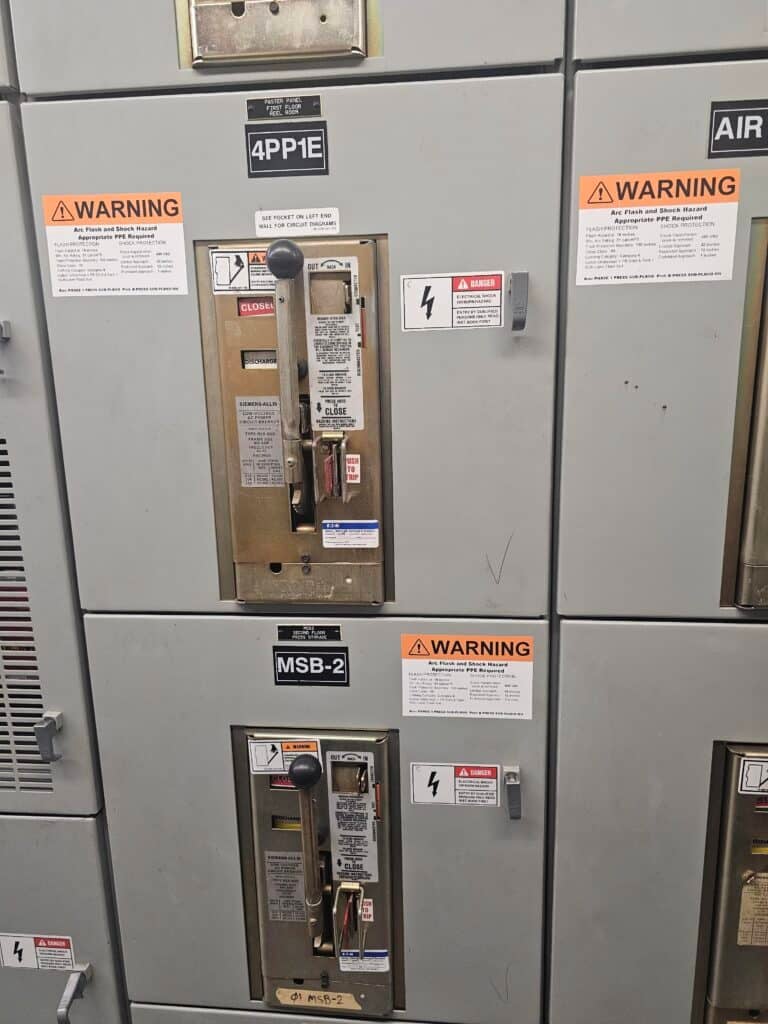
Most property managers know electrical maintenance can’t be an afterthought, but many settle for spotty checklists that miss key risks. Skipping routine inspections or ignoring code updates can lead to costly repairs and safety gaps. This guide breaks down what your electrical maintenance plan needs to cover—from inspection schedules to upgrade priorities—so you can protect your properties with confidence and stay ahead of Dallas–Fort Worth regulations.
Building a Comprehensive Electrical Plan
To keep properties safe and efficient, property managers must develop a thorough electrical maintenance plan. This involves setting clear inspection cadences, documenting procedures, and prioritizing upgrades.
Understanding Inspection Cadences
Regular inspections are crucial for maintaining electrical safety and efficiency. You should schedule checks at least twice a year to catch issues early. During inspections, focus on high-risk areas like panels and outlets. Look out for signs of wear, such as flickering lights. Regular inspections can prevent serious hazards and ensure compliance with local codes.
Importance of Documentation Standards
Keeping detailed records helps track maintenance activities and identify patterns in equipment performance. Document every inspection and repair, noting who performed the work and what was done. This will aid in future troubleshooting and ensure your properties meet safety standards. Proper documentation also provides a clear history for any regulatory audits.
Setting Upgrade Priorities
It’s important to prioritize upgrades based on the condition of your electrical system. Start with items that pose immediate safety risks, such as outdated panels or failing outlets. Use a checklist to systematically assess what needs attention. Upgrading aging infrastructure not only enhances safety but also improves energy efficiency and reduces long-term costs.
Key Components of the Checklist
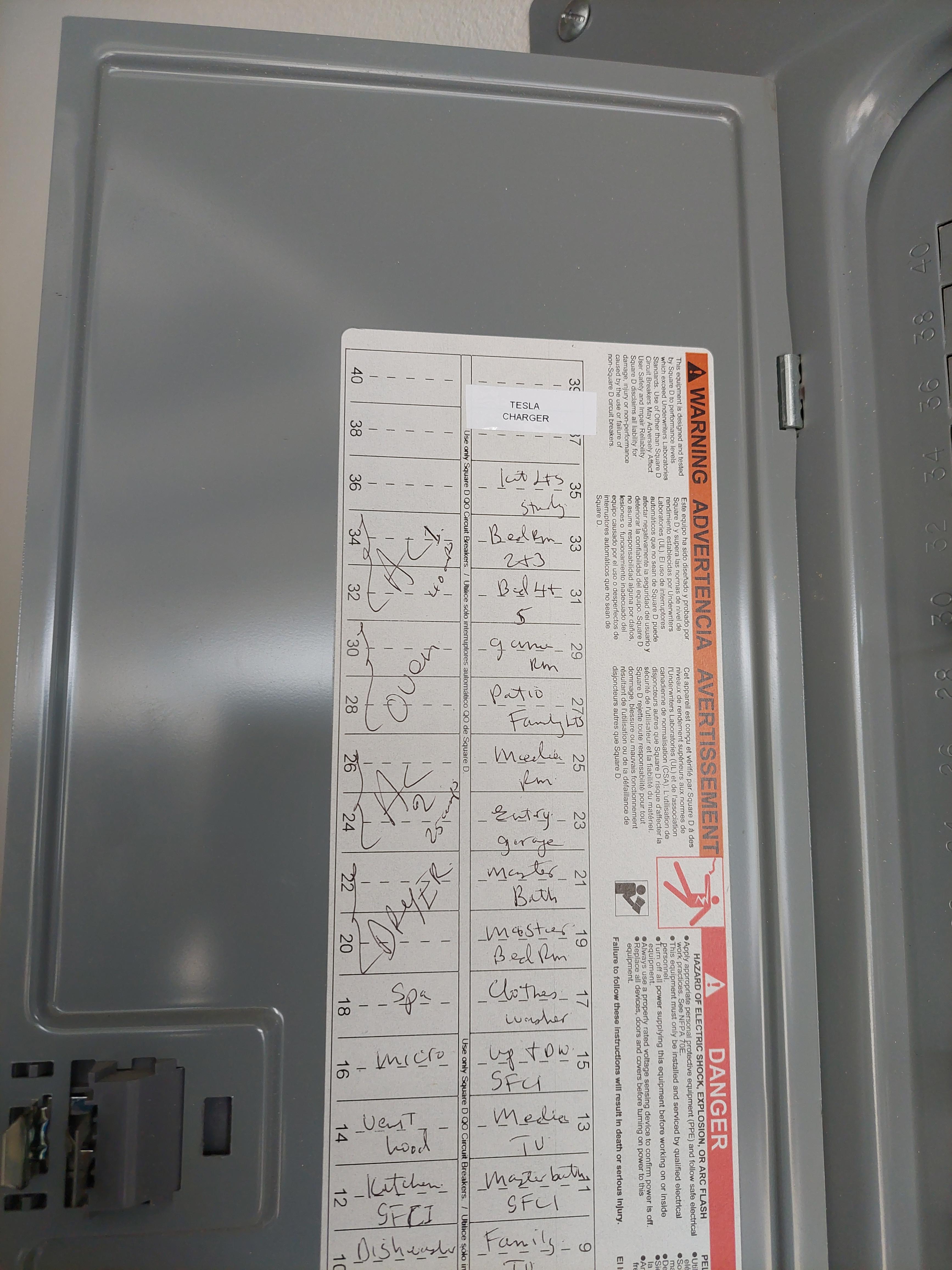
The maintenance checklist should cover all critical components, ensuring nothing is overlooked. Key areas include generators, surge protection, and thermal inspections.
Regular Generator and UPS Testing
Generators and UPS systems ensure power continuity during outages. Test these systems monthly to confirm they operate correctly when needed. During tests, simulate a power failure to observe the response. Regular testing prevents unexpected failures and provides peace of mind during storms and electrical disruptions.
Effective Surge Protection Strategies
Surge protectors shield your equipment from voltage spikes. Install whole-building surge protectors to guard against external surges. Regularly check that these devices are functioning and replace them as needed. Effective surge protection can save thousands in equipment damage and downtime.
Thermal Imaging Inspections
Thermal imaging helps identify hotspots in wiring and equipment that aren’t visible to the naked eye. Conduct these inspections annually to detect potential failures. By identifying issues early, you can schedule repairs before they turn into costly breakdowns. This proactive approach ensures your systems run smoothly and safely.
Partnering with Local Experts
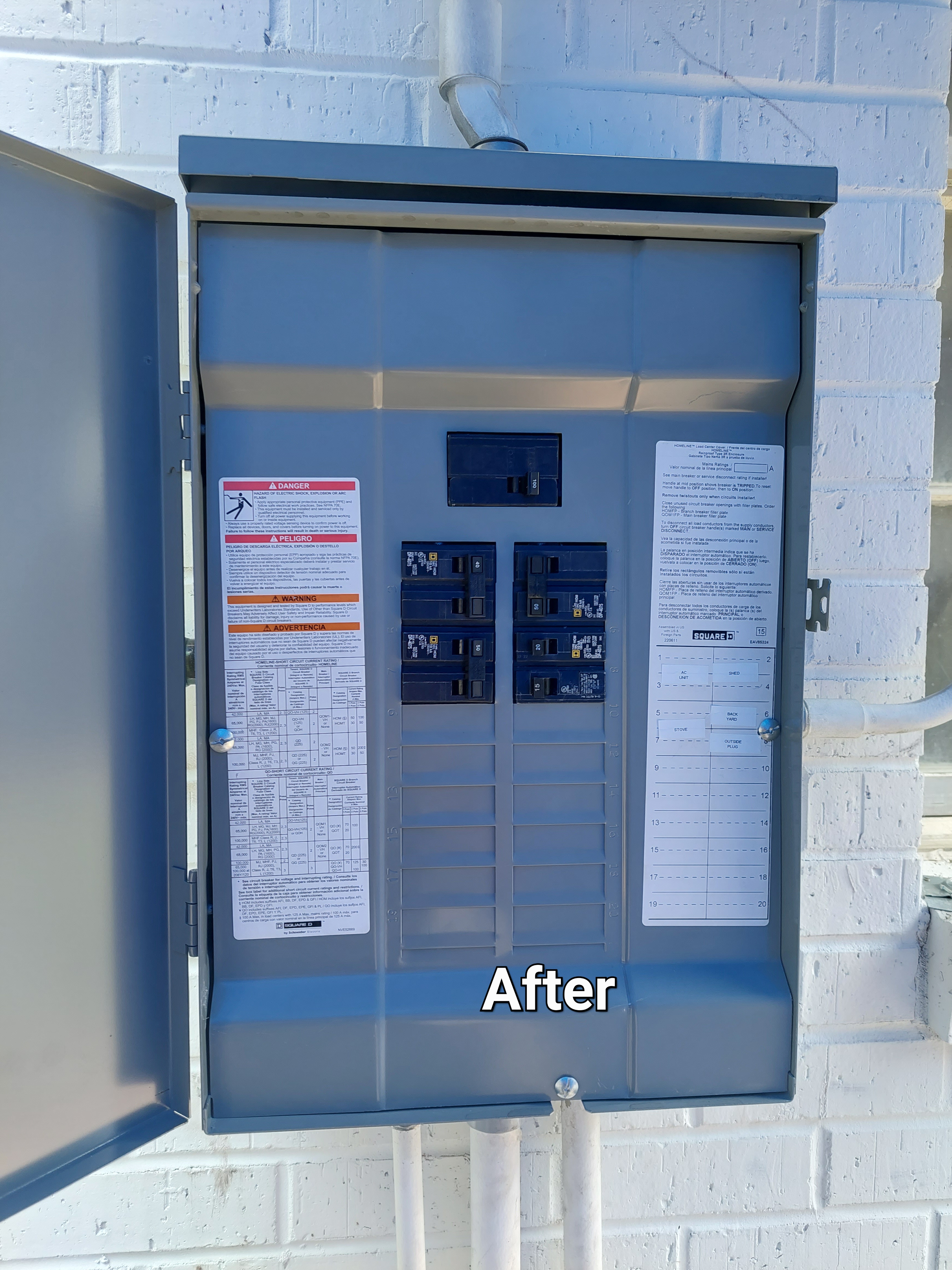
Working with trusted local electricians ensures your maintenance plan is executed effectively and complies with regional standards.
Benefits of Working with a Plano Electrician
Local electricians understand the specific challenges and regulations in the Plano area. They provide tailored advice and prompt service. By partnering with local experts, you gain access to reliable, knowledgeable professionals who ensure your systems are up to code.
Leveraging 24/7 Emergency Services
Electrical emergencies can happen at any time. Having access to 24/7 services means you can address issues immediately, minimizing downtime and damage. Quick response times are crucial in preventing small problems from escalating into major repairs.
Tailored Solutions for Multifamily Properties
Multifamily properties have unique electrical needs. A local electrician can create customized maintenance plans that cater to these specific requirements. They ensure all units receive consistent service, enhancing overall safety and tenant satisfaction.
Frequently Asked Questions
What should be included in an electrical maintenance plan?
An effective plan includes regular inspections, detailed documentation, and prioritized upgrades. It should cover critical components like generators, surge protection, and thermal inspections.
How often should electrical inspections be conducted?
Inspections should be conducted at least twice a year. Regular checks help catch potential issues early and ensure compliance with safety standards.
Why is documentation important in electrical maintenance?
Documentation tracks maintenance activities and identifies patterns, aiding in troubleshooting and ensuring compliance with safety regulations. It provides a clear history for audits and future reference.
What is the benefit of thermal imaging inspections?
Thermal imaging detects hotspots in wiring and equipment that are not visible to the naked eye. It helps identify potential failures early, allowing for preventative maintenance and reducing costly breakdowns.
How can local electricians benefit property managers?
Local electricians offer expertise in regional standards and challenges. They provide tailored solutions and prompt service, ensuring systems are both safe and efficient.