Most security camera problems trace back to wiring issues few notice until it’s too late. Your choice of cable, power setup, and grounding directly shapes how well your system holds up—impacting uptime, image clarity, and lifespan. Understanding these wiring basics will help you avoid unexpected downtime and costly repairs in Plano and North Dallas. Let’s break down what keeps your cameras running smoothly and how to spot when it’s time for a professional checkup. For more insights, check out this guide on choosing the right cable for your security camera system.
Understanding Security Camera Wiring
Wiring is the hidden powerhouse behind your security camera system. It plays a crucial role in ensuring your cameras work without a hitch. Choosing the right wiring can mean the difference between a reliable system and one that constantly fails.
Importance of Wiring Choices
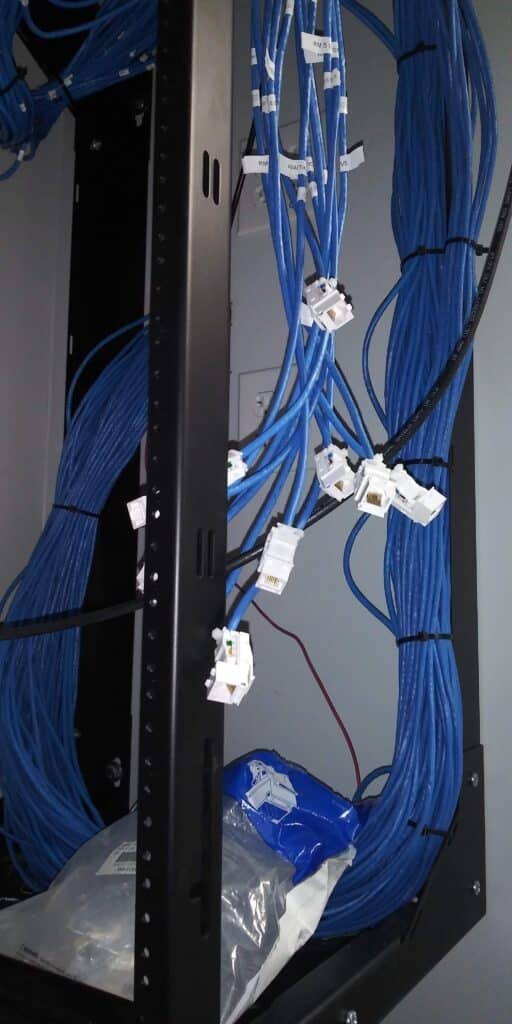
The cables you select are the backbone of your security system. Different cables offer varying levels of durability and signal quality. For instance, Cat6 cabling is popular for IP camera wiring because it provides high-speed data transfer and supports long distances. In contrast, RG59 Siamese cable is often used for analog cameras, offering both video and power in one line. Poor cable choice can lead to frequent disconnections or poor image quality, affecting the overall camera system reliability.
Impact on System Lifespan
Good wiring practices extend your system’s lifespan. Properly installed and maintained cables reduce wear and tear, preventing premature failures. Regular checks and professional installations can mitigate risks such as voltage drop and physical damage. Over time, a well-wired system costs less in maintenance and replacements, giving you peace of mind.
Image Quality and Uptime
Image clarity and consistent uptime are vital for effective surveillance. When wiring is inadequate, it can lead to signal loss or interference, like EMI and RFI. Using shielded cables and ensuring connections are secure can minimize these issues. Regular cable testing and certification help maintain high standards, ensuring your cameras deliver clear footage around the clock.
Key Components of Wiring
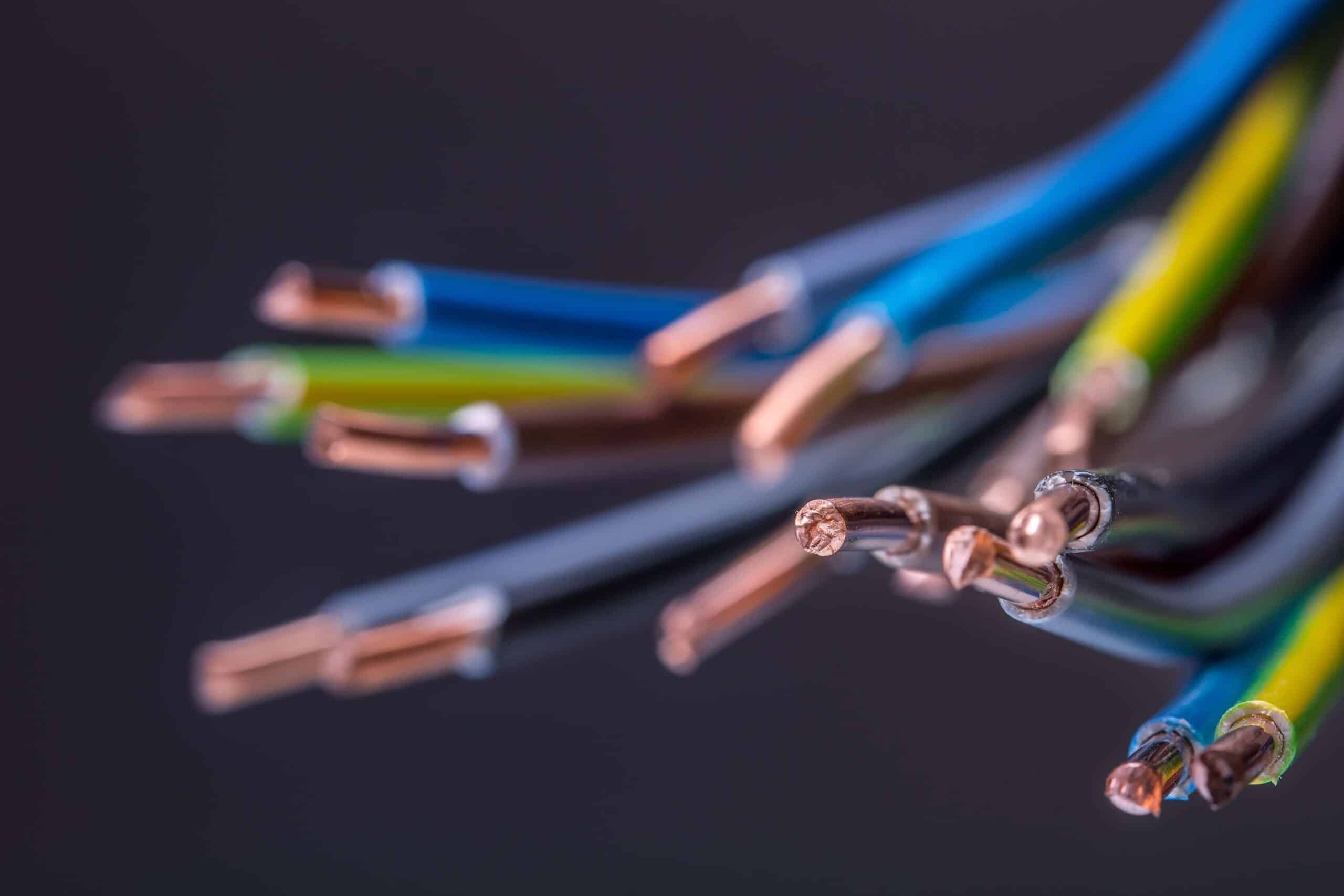
Understanding wiring components can greatly impact your system’s performance. Each part, from cable types to grounding methods, plays a role in keeping your cameras operational.
Cable Types and Terminations
Selecting the right cable type is essential. Shielded vs unshielded Cat6 cables differ in their ability to block interference, impacting signal quality. The terminations, like BNC and RJ45, must be done correctly to avoid signal loss. Ensuring proper connections prevents frequent downtime and maintains system reliability.
Power Delivery and Grounding
Reliable power delivery is crucial for camera function. Using a PoE switch simplifies this by combining power and data over a single cable, reducing clutter and installation time. Proper grounding and bonding protect against electrical surges, preventing damage. This is particularly important in areas prone to lightning or electrical storms.
Surge Protection and Network Design
Surge protection safeguards your system from unexpected power spikes. Integrating UPS battery backups ensures cameras keep recording during power outages. A well-planned network design, considering cable length limits of 100m, maintains efficient data flow and reduces risks of outages. Properly designed systems are less likely to experience downtime, keeping your property secure.
Professional Installation Benefits
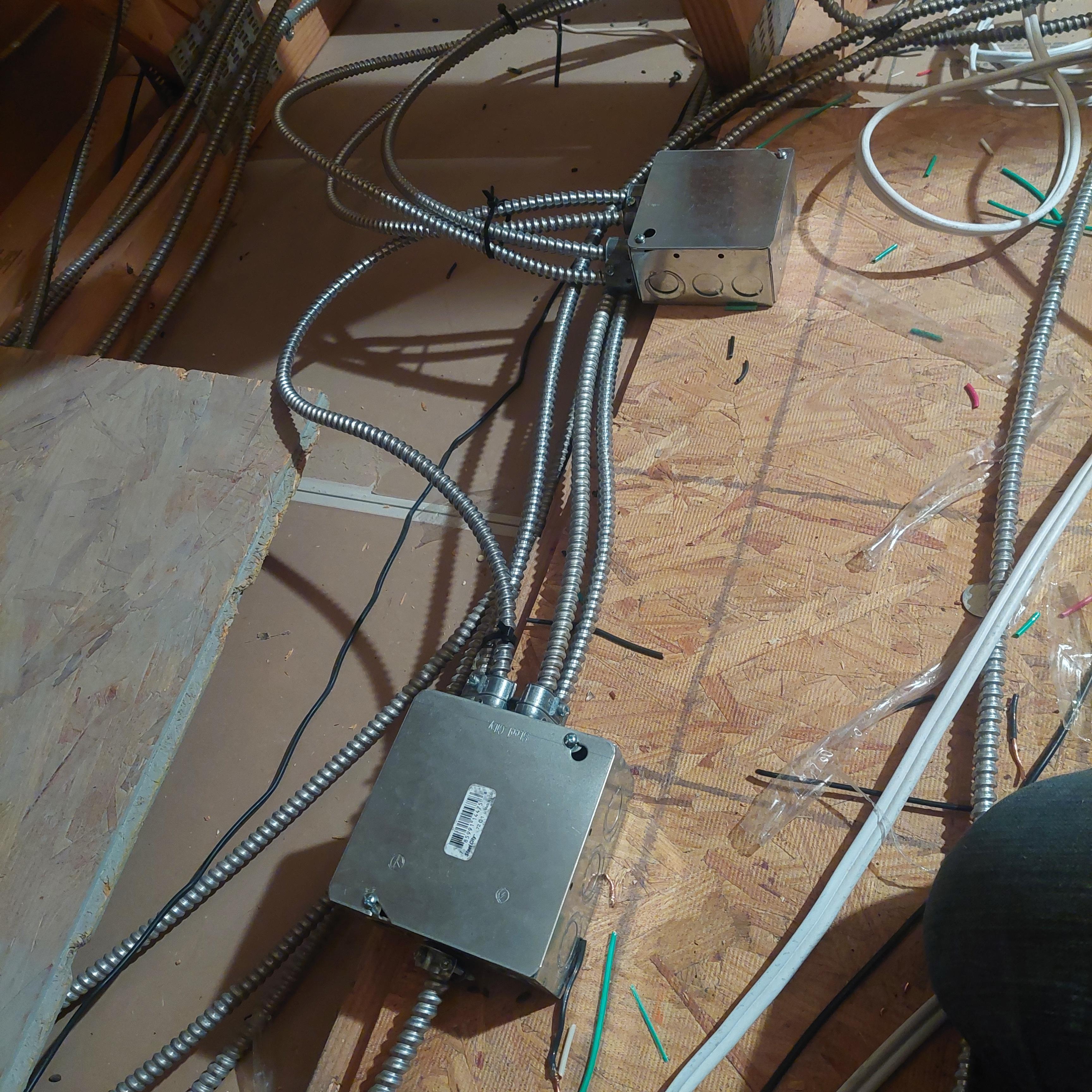
Professional installation offers peace of mind and ensures your system is up to par with industry standards. It can save you time and money in the long run.
Scheduling a Wiring Assessment
Regular assessments can spot potential issues before they become major problems. Professionals can check for wear, test connections, and recommend improvements. This proactive approach enhances system reliability, protecting your investment.
Upgrade Options with Tesla Alarm
Tesla Alarm offers tailored solutions to upgrade your security system. Whether it’s enhancing your network with 802.3af/at/bt standards or updating to the latest technology, they ensure your system is future-proofed. Upgrades can include better cabling, improved power setups, or more robust surge protection.
Local Expertise in Plano and DFW
Local expertise provides an advantage in understanding regional challenges, like weather-related risks. Tesla Alarm’s experience in the Plano and DFW areas means they can offer solutions specific to local needs. This knowledge ensures installations are reliable and tailored to your environment.
Frequently Asked Questions
What is the best cable type for security cameras?
For IP cameras, Cat6 cabling is recommended due to its high-speed data capabilities and long-distance support. For analog systems, RG59 Siamese cable is a good option, providing both video and power.
Why is grounding important for security cameras?
Grounding prevents damage from electrical surges and ensures a stable power supply. It protects your equipment and enhances system reliability, especially in storm-prone areas.
How can I improve my camera system’s uptime?
Regular maintenance, proper cabling, and surge protection contribute to improved uptime. Using shielded cables and a PoE switch can reduce interference and ensure consistent power delivery.
What should I consider when upgrading my security system?
Consider upgrading your cabling, power delivery methods, and incorporating surge protection. Consulting professionals for a system assessment can provide tailored recommendations.
How does Tesla Alarm ensure reliable installations?
Tesla Alarm uses their local expertise to design systems tailored to the Plano and DFW areas. They focus on quality installations with the latest technology, ensuring reliable and long-lasting systems.