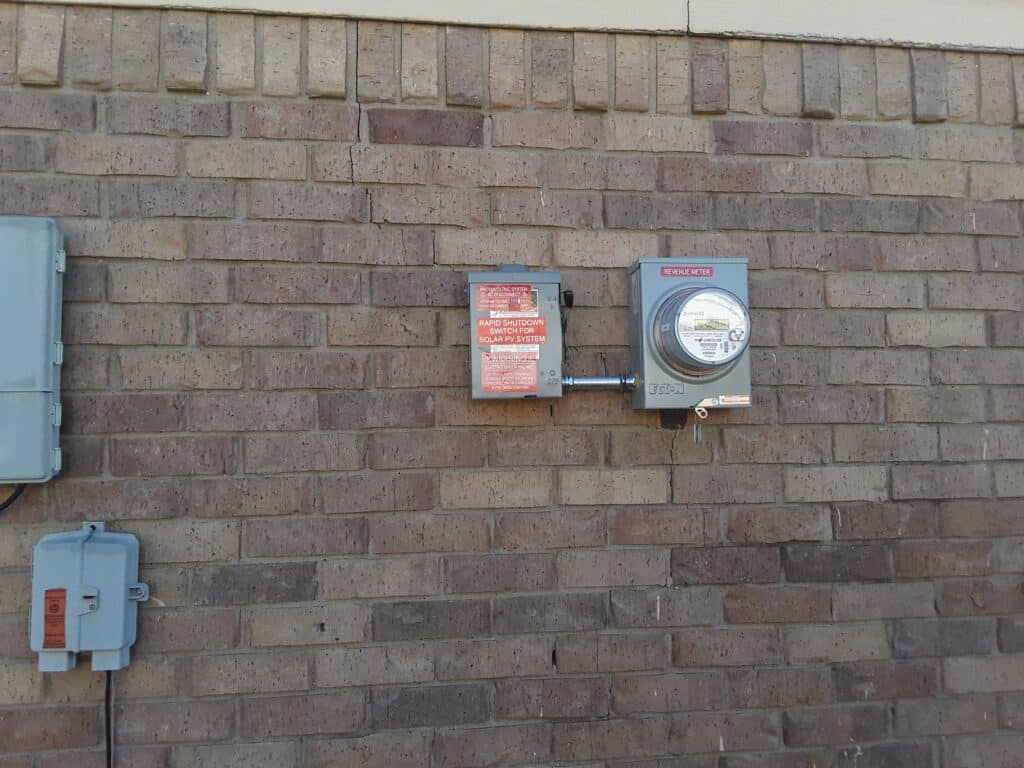
Most homeowners and business owners in Plano don’t realize how much their existing electrical system impacts EV charger installation. A Level 2 EV charger needs the right panel capacity, circuit setup, and permits to work safely and reliably. In this post, you’ll learn how to plan your EV charger installation around what’s already in place, so you avoid costly upgrades and delays. For more insights, check out this guide on planning your EV charger installation.
Evaluating Electrical Capacity
Understanding your home’s electrical capacity is key to a successful EV charger installation. Before diving into the process, it’s essential to evaluate your current setup and decide if upgrades are necessary.
Assess Current Panel Load
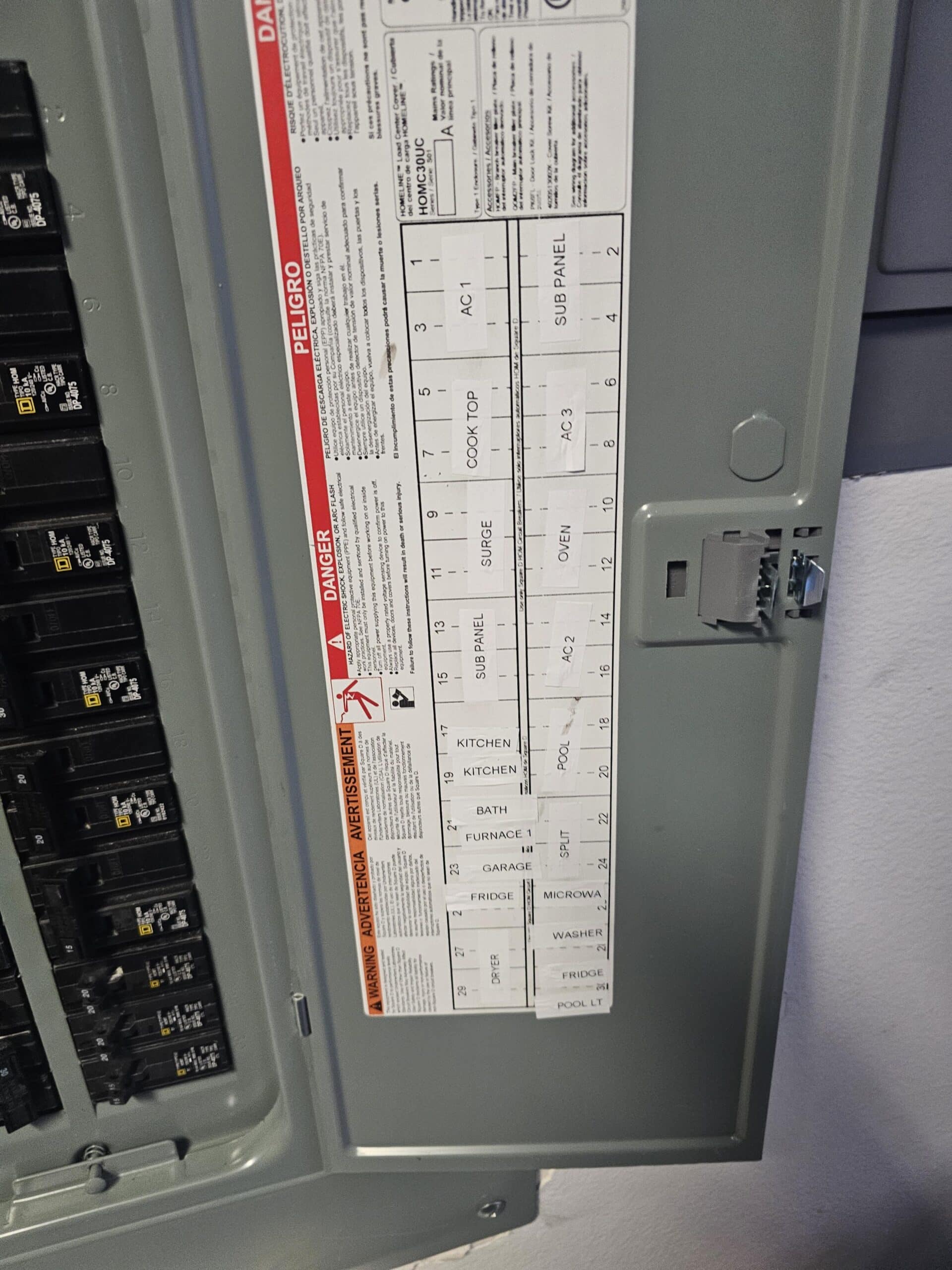
First, it’s crucial to know what your electrical panel can handle. Your panel’s load capacity indicates how much electricity it can distribute safely. Begin by checking the panel’s amperage, typically found on the main breaker. Most homes have a 100 to 200-amp service, but some older homes might have less. Compare this with the additional load a Level 2 EV charger will require. If your panel is already close to its limit, operating the charger can cause issues like tripped breakers. For detailed guidance, consult resources like the EPA’s guide on home EV charging.
Determine Need for Upgrade
Once you know your panel’s capacity, assess whether an upgrade is necessary. If you have frequent breaker trips or your panel is over 20 years old, consider an upgrade to avoid potential hazards. An upgrade isn’t just about adding capacity; it’s about ensuring safety and efficiency. This decision can impact not only your EV charger but also your home’s overall electrical safety. For more information, explore this comprehensive guide on EV charging station installation.
Selecting the Right Charger
Now that you’ve assessed your electrical panel, the next step is choosing the best charger for your needs. This decision involves comparing different models and considering smart features that can enhance your charging experience.
Compare Level 2 Charger Options
Level 2 chargers vary in power output, typically ranging from 16 to 80 amps. The right choice depends on your car’s compatibility and your home’s power capacity. For instance, a 32-amp charger might be sufficient for most home installations, balancing speed and electrical load. Consider your driving habits too: if you drive daily, a faster charger might be beneficial. When choosing, think about future needs, especially if you plan to upgrade your vehicle later. For a detailed comparison, consider reading Amtek Construction’s article on EV charger planning.
Consider Smart Charger Features
Smart chargers bring added convenience and efficiency to EV charging. They offer features like scheduling, remote monitoring, and integration with smart home systems. These features can help you optimize charging times to benefit from off-peak electricity rates. Additionally, some smart chargers allow for load management, ensuring that your home’s electrical system is not overwhelmed. Selecting a smart charger can provide peace of mind and enhance the overall charging experience. To learn more about integrating smart features, check this planning guide.
Planning Circuit Routing
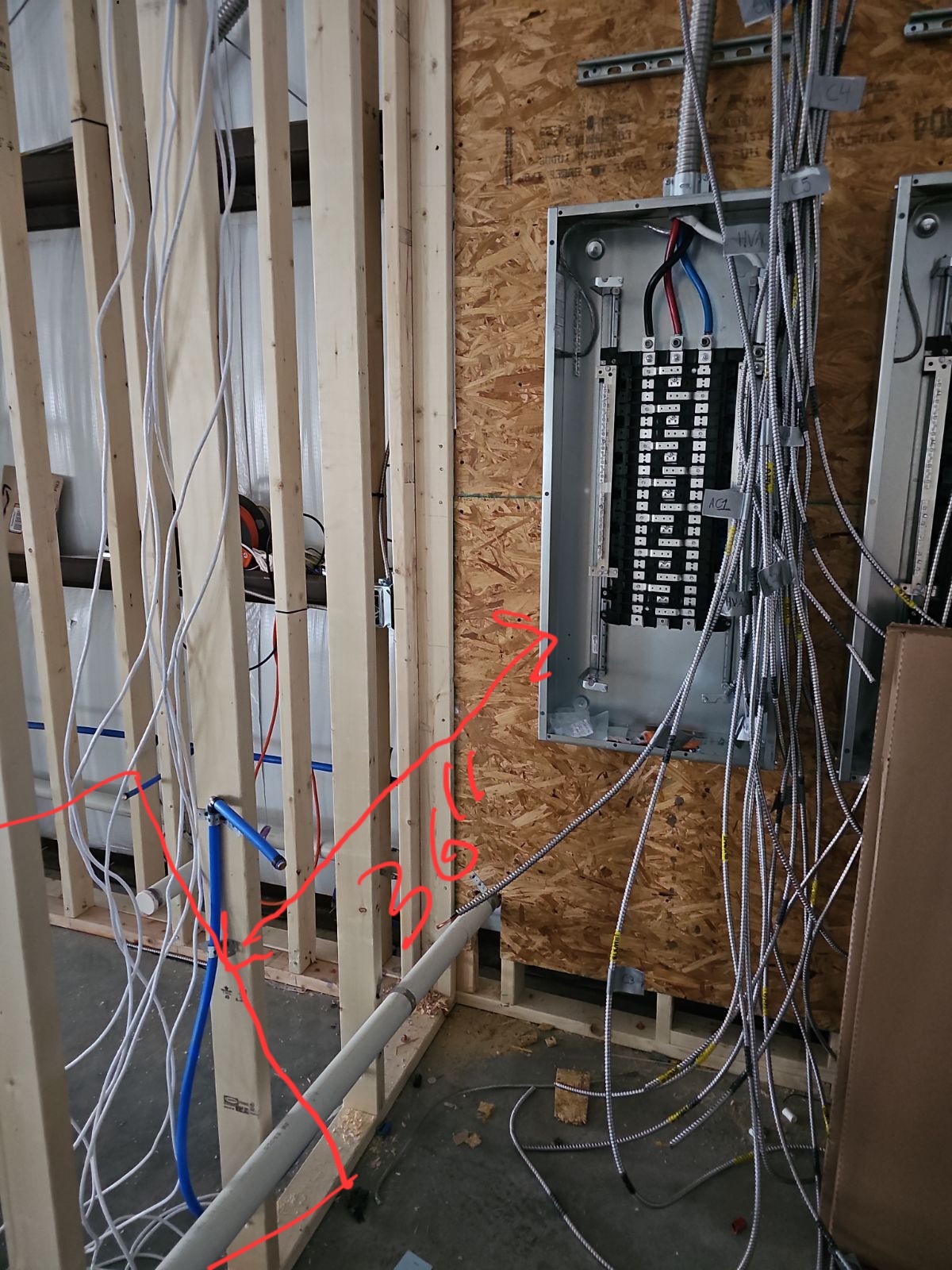
Careful planning of your circuit routing is essential for a smooth and compliant installation. This involves mapping the best path for your charger and ensuring it meets all necessary standards.
Map Best Path to Garage
Routing the circuit from your panel to the garage requires careful planning. It’s important to choose a path that minimizes distance to reduce costs and potential power loss. Consider obstacles like walls or existing wiring that may complicate the installation. Professional electricians can help find the most efficient route that adheres to local codes. This step ensures your charger will operate reliably without unexpected interruptions.
Ensure Compliance with NEC Standards
Ensuring compliance with National Electrical Code (NEC) standards is vital for safety and legality. The NEC sets the rules for electrical installations, including EV chargers. It regulates aspects like wire gauge, circuit breakers, and grounding. Adhering to these standards prevents safety hazards such as electrical fires. It’s crucial to hire a licensed electrician familiar with these codes to handle the installation. This ensures your setup is safe and meets all regulatory requirements, giving you peace of mind.
Frequently Asked Questions
What are the benefits of a Level 2 EV charger over Level 1?
Level 2 chargers provide faster charging times, typically allowing for full charges in a few hours compared to overnight with Level 1. They are more efficient for daily use, especially for those who drive frequently.
How do I know if my electrical panel needs an upgrade for EV charging?
If your panel is over 20 years old or you experience frequent breaker trips, an upgrade might be necessary. A professional assessment can provide clarity on your panel’s capacity to handle additional loads.
What smart features should I consider when choosing an EV charger?
Look for features like scheduling, remote monitoring, and integration with smart home systems. These can enhance charging convenience and allow you to take advantage of off-peak electricity rates.
How can I ensure my EV charger installation complies with local codes?
Hire a licensed electrician familiar with NEC standards and local regulations. They will ensure your installation meets all safety and legal requirements, preventing future hazards.
Why is circuit routing important for EV charger installation?
Proper circuit routing minimizes installation costs and power loss. It ensures the charger operates reliably and complies with safety standards, providing long-term performance and safety.