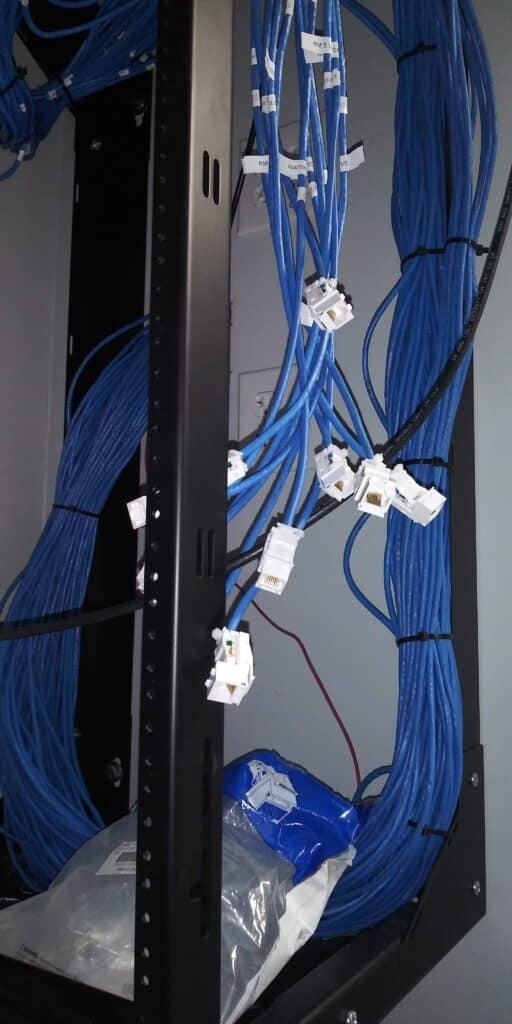
Most people think a security camera’s reliability hinges on the camera itself. The truth is, the wiring behind it plays a bigger role than you might realize. From image clarity to system uptime, proper security camera wiring can make or break your surveillance setup in Plano and DFW. Let’s explore why getting your cabling right is the smartest move for lasting performance.
Importance of Security Camera Wiring
In the bustling areas of Plano and DFW, security camera wiring is crucial for maintaining system reliability. Proper wiring ensures that your surveillance system performs optimally, providing peace of mind.
Impact on System Uptime
Keeping your security system running smoothly is essential for continuous protection. Incorrect wiring can lead to frequent system downtimes. When cables are improperly installed or damaged, your cameras might lose connection unexpectedly. You need consistent uptime to capture every critical moment. Regular checks and quality wiring materials can significantly reduce these disruptions.
Moreover, using the right cables minimizes the risk of power and data loss. Think of your cabling as the system’s lifeline; it’s what keeps everything connected and powered. By investing in high-quality wiring, you ensure that your system operates without frequent interruptions, giving you one less thing to worry about.
Enhancing Image Quality
Clear images are vital when reviewing footage. The type of wiring you use directly affects the image quality your cameras deliver. Poor cabling can result in blurry or pixelated images, making it difficult to identify faces or license plates. High-quality cables, such as Cat6, support better data transmission, ensuring crisp and clear video output.
The choice between coax and IP systems also impacts quality. Modern IP systems often offer superior resolution, but they require suitable wiring to perform optimally. By upgrading from coax to IP with the right cabling, you’re not just improving your system’s reliability, but also enhancing its visual performance.
Extending System Lifespan
Good wiring practices extend the lifespan of your entire security setup. When cables are protected and maintained well, they prevent wear and tear on your system’s components. This foresight reduces the need for frequent replacements, saving you time and money in the long run.
Think about it like maintaining a car. Regular maintenance and quality parts make it last longer. Similarly, investing in proper security camera wiring is an upfront cost that pays off by prolonging the system’s life. It’s a protective measure that ensures your security solution remains effective and reliable for years.
Key Wiring Components
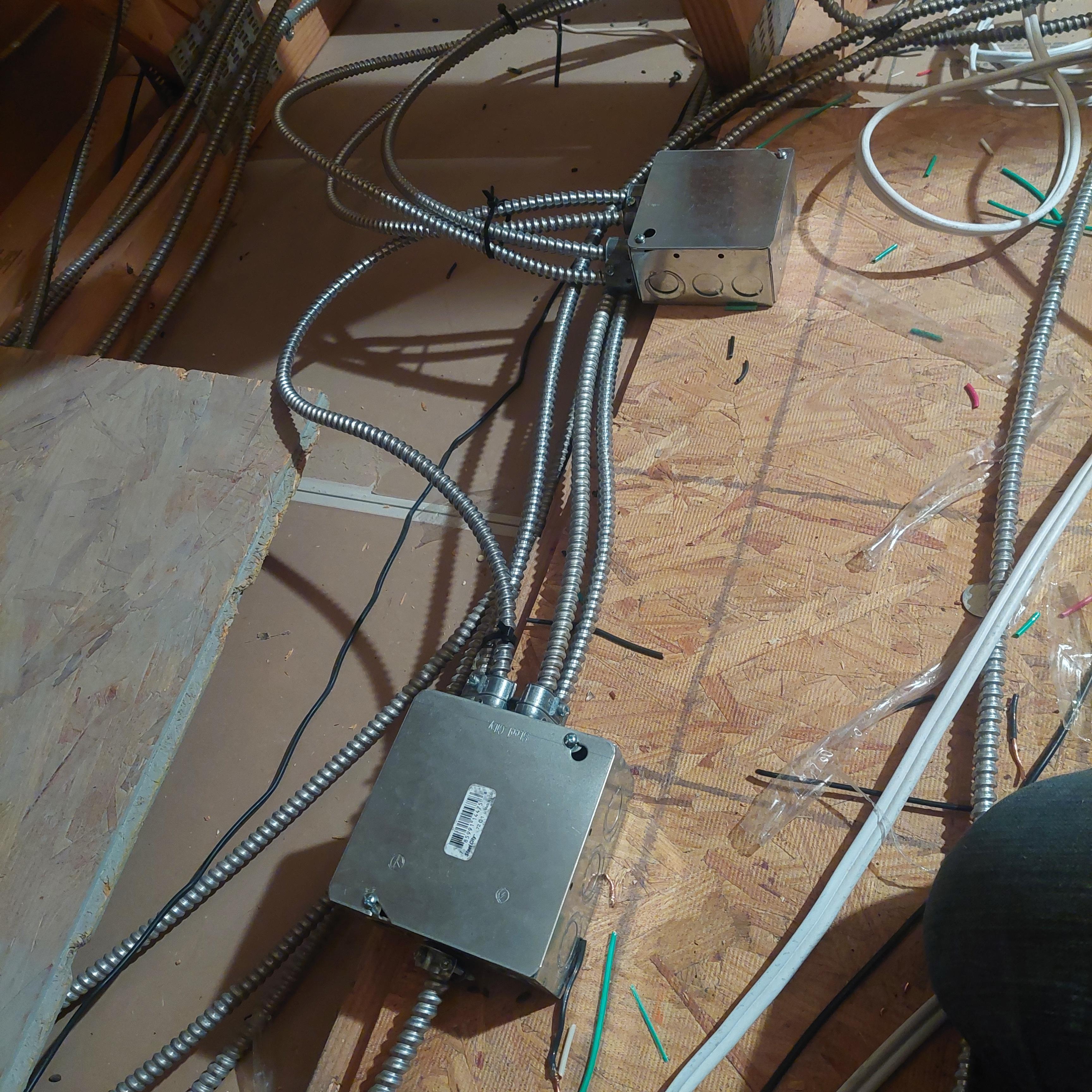
The components you choose for your security system are just as important as the cameras themselves. Understanding these elements can help you make informed decisions.
Understanding PoE and Cat6
Power over Ethernet (PoE) and Cat6 cables are game-changers in the security world. PoE allows your cameras to receive power and data through a single cable, simplifying installation and reducing clutter. By choosing Cat6 for your setup, you ensure fast data transfer rates, which is crucial for high-definition footage.
Consider the benefits: fewer cables mean less hassle, and the robust nature of Cat6 supports higher bandwidth compared to older cable types. This combination provides a cleaner, more efficient setup that maximizes your system’s performance.
Role of Surge Protection
Surge protection is vital in safeguarding your equipment. Power surges can cause irreversible damage to your security system, leading to costly repairs or replacements. By installing surge protectors, you shield your cameras and wiring from unexpected voltage spikes.
This simple addition acts as a barrier, preventing electrical threats from affecting your setup. It’s an essential component that, while often overlooked, plays a critical role in maintaining the integrity and reliability of your system.
Benefits of Proper Grounding
Grounding your security system is crucial for avoiding electrical hazards. Proper grounding not only protects your equipment from surges but also ensures safety for anyone interacting with the system. It stabilizes voltage levels and reduces the risk of electrical shock.
When your system is correctly grounded, you enhance its overall stability. This not only protects your investment but also provides peace of mind knowing that your security measures are both safe and effective.
Wiring Best Practices
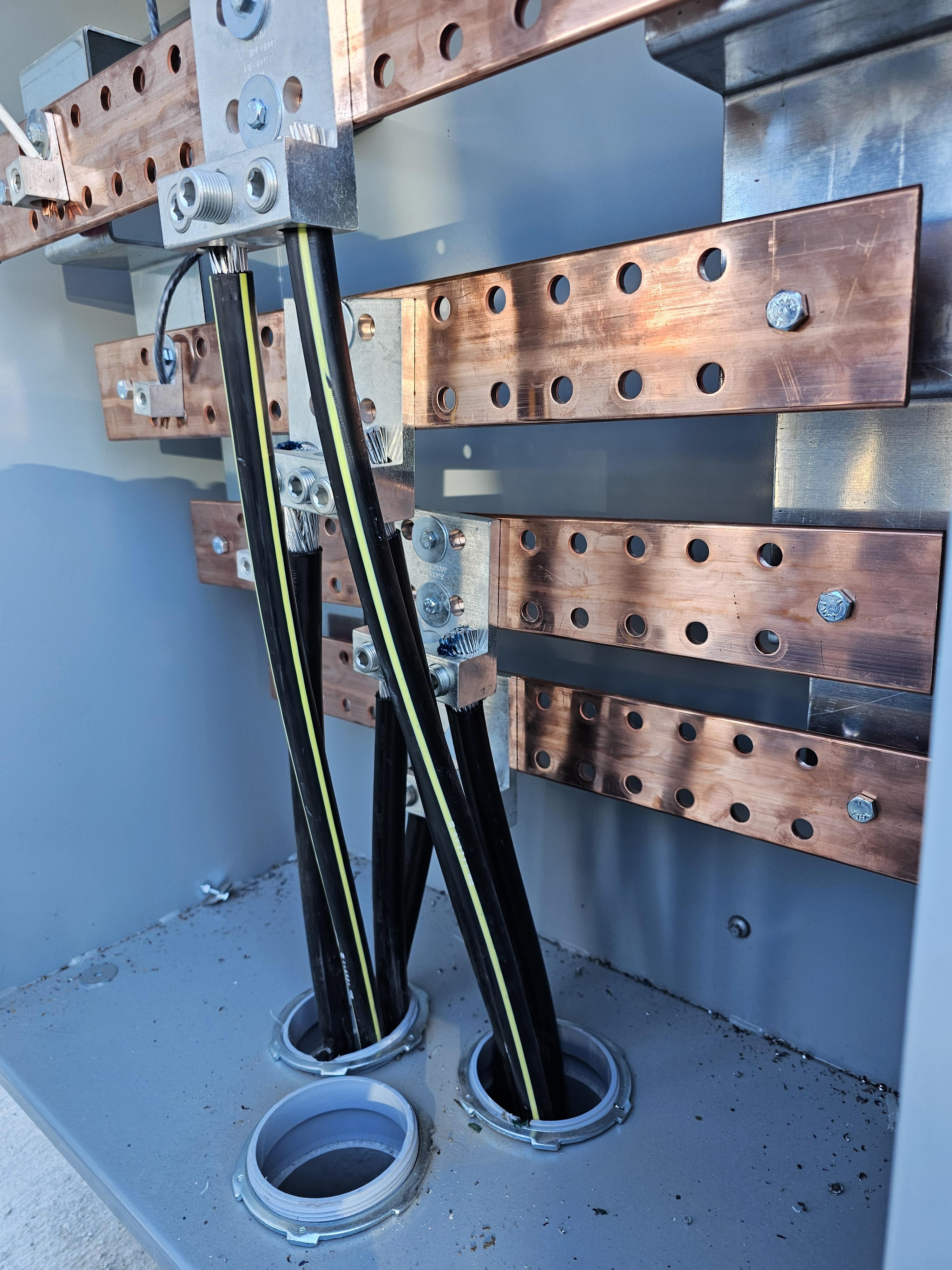
Adhering to best practices in wiring can make all the difference in your security system’s performance and longevity.
Choosing Between Wi-Fi and Wired
Deciding between Wi-Fi and wired systems depends on your specific needs. Wired systems offer reliable connections and better security, as they are less prone to interference and hacking. On the other hand, Wi-Fi systems offer flexibility and ease of installation.
While Wi-Fi might seem convenient, wired connections are usually more stable and secure. If you’re prioritizing reliability, especially in business environments, wired is often the better choice.
Outdoor Conduit and Weatherproofing
Outdoor cameras face environmental challenges. Protecting your wiring with weatherproof conduits is essential. These conduits shield cables from harsh weather conditions, preventing damage that could compromise your system.
Weatherproofing your system ensures it remains operational regardless of the weather. By taking these precautions, you enhance the durability and reliability of your outdoor cameras, providing consistent protection.
Professional Installation Benefits
Hiring a professional for installation ensures that your system is set up correctly. Professionals have the expertise to handle complex wiring, ensuring optimal performance and compliance with local codes. They can also provide insights on the best practices to extend your system’s life.
By choosing professional installation, you avoid common pitfalls that can lead to system failures. It’s an investment in peace of mind, knowing your system is in capable hands and running smoothly from day one.
Frequently Asked Questions
What type of cable is best for security cameras?
Cat6 cables are often recommended for security cameras due to their high data transfer rates and reliability. They support Power over Ethernet, simplifying installation by providing power and data over a single cable.
Why is grounding important for security systems?
Grounding stabilizes voltage levels and protects against electrical surges, reducing the risk of equipment damage and enhancing safety. It is crucial for maintaining system reliability and longevity.
Should I choose a wired or Wi-Fi security camera system?
A wired system is generally more reliable and secure, offering stable connections without interference. Wi-Fi systems are easier to install and offer flexibility in placement, but they may be more susceptible to connection issues and security breaches.
How does surge protection benefit my security system?
Surge protectors prevent voltage spikes from damaging your equipment, ensuring continuous operation and reducing the risk of costly repairs. They are a key component in protecting your system’s integrity.
What are the advantages of professional installation?
Professional installation ensures that your system is set up correctly and complies with local codes. Experts can optimize wiring for performance and offer valuable insights on maintaining system reliability.