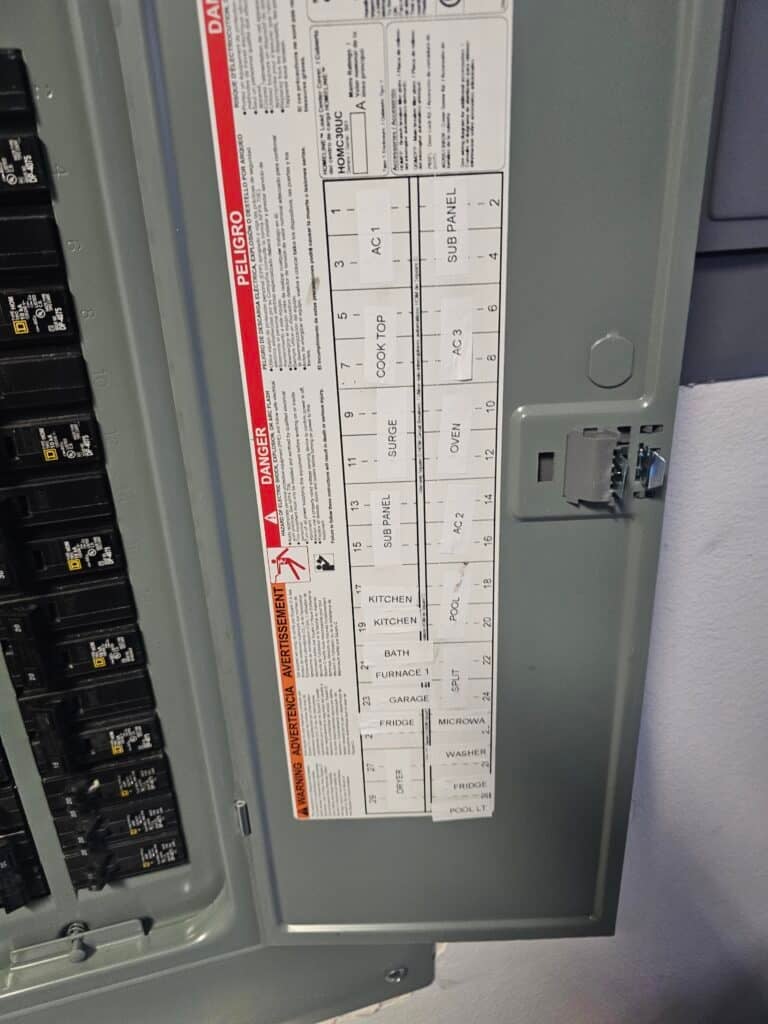
Breaker trips and flickering lights often point to one thing: your electrical panel needs attention. In Plano, keeping your system up to code means knowing exactly when to schedule an electrical panel upgrade. This practical guide walks you through everything from load calculations and City of Plano permits to coordinating with Oncor—so your home or business stays powered safely and smoothly. For more information, check out this post.
When to Upgrade Electrical Panels
Signs You Need an Upgrade
Your electrical panel is the heart of your home or business’s power system. Frequent breaker trips, flickering lights, or strange noises like buzzing may indicate it’s time for an upgrade. Panels over 20 years old often can’t handle modern power demands, making them a safety risk.
When your panel struggles to meet your needs, it can lead to overloaded circuits and potential fire hazards. Flickering or dimming lights, especially when you use multiple appliances, are clear signals. If you smell burning or hear buzzing, it’s crucial to act quickly to prevent more serious issues.
Aging panels often lack the capacity for today’s electronics and appliances. Upgrading not only improves safety but also ensures your system can support your lifestyle. If you notice these signs, consider consulting a professional for a thorough evaluation.
Common Code Triggers
Updating your electrical system is not just about safety; it’s also about meeting code requirements. In Plano, certain situations require you to upgrade your panel. These include major renovations, adding high-power appliances, or installing a new HVAC system.
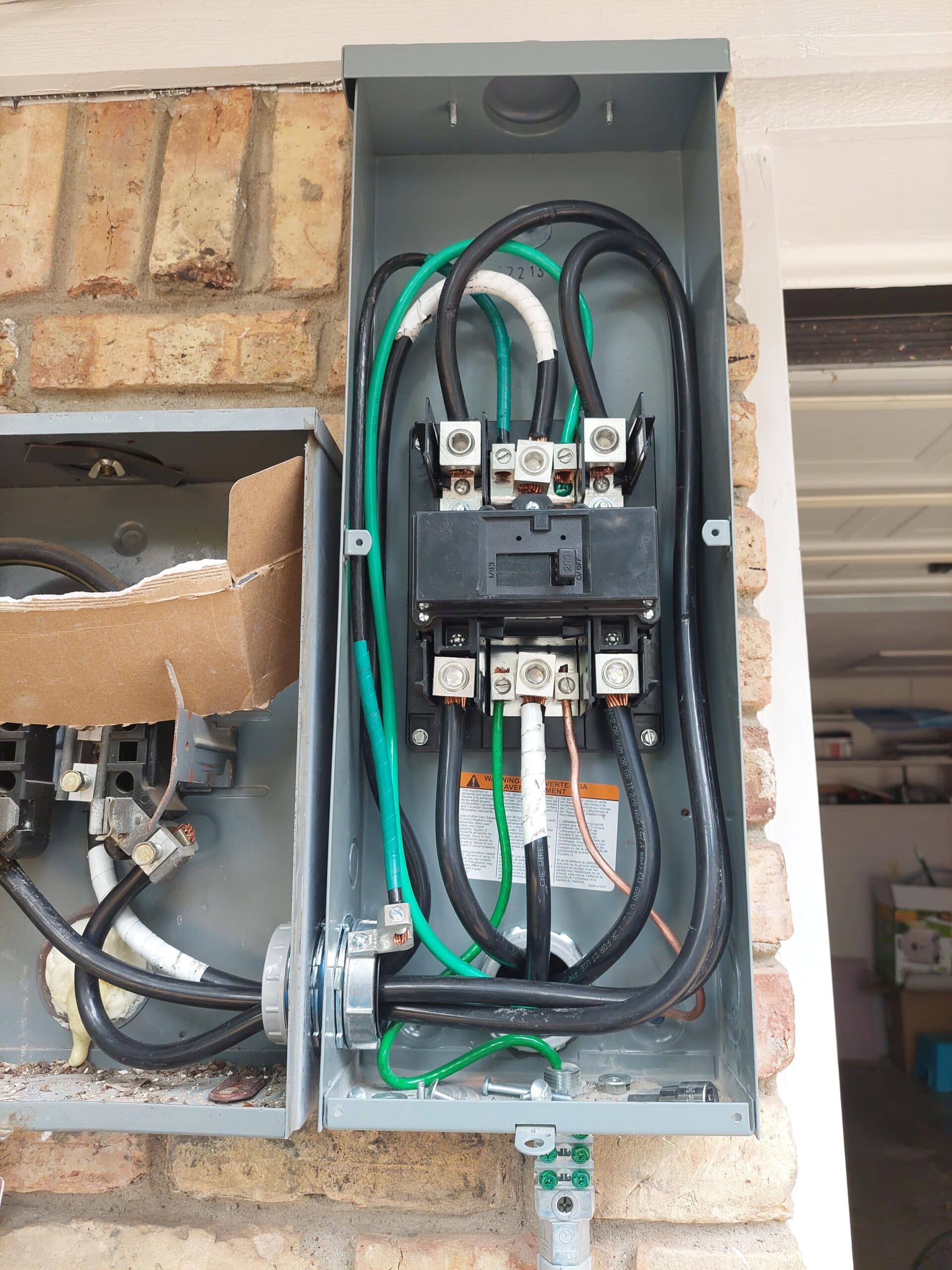
A panel upgrade is often necessary for compliance with the latest National Electrical Code (NEC) standards. For example, adding an electric vehicle charger or a new kitchen appliance might trigger the need for a 200-amp panel.
Failing to comply with code requirements can lead to complications during a home sale or renovation. Ensuring your panel meets current standards protects your investment and provides peace of mind. It’s advisable to consult with an expert familiar with local regulations.
Understanding Load Calculations
Determining the right panel size involves understanding your electrical load. Load calculations help identify the total power your property needs. This calculation considers your home’s square footage, number of occupants, and types of appliances.
An electrician can perform these calculations to ensure your panel can handle your electrical demands. They will evaluate your current usage and future needs to recommend the appropriate panel size. This process prevents overloads and ensures long-term reliability.
Accurate load calculations are essential for safety and efficiency. By understanding your power needs, you can avoid potential hazards and ensure your system operates smoothly. It’s a proactive step that offers both protection and performance.
Managing the Upgrade Process
Navigating City of Plano Permits
Obtaining a permit is a critical step in the upgrade process. The City of Plano requires permits for most electrical work, including panel upgrades. This ensures that all work meets safety standards and local codes.
Hiring a licensed electrician simplifies the permitting process. They handle the paperwork and ensure compliance with all regulations. This not only saves you time but also ensures that your project proceeds smoothly without legal hiccups.
Permits may seem daunting, but they play a vital role in maintaining safety standards. By working with a professional, you can navigate this process with ease. It ensures that your upgrade is both legal and safe.
Coordinating with Oncor
Oncor is the local utility responsible for your electrical service. Coordinating with them is an essential part of the upgrade process, especially when it involves disconnecting and reconnecting power.
Your electrician will work directly with Oncor to schedule these services. This coordination minimizes downtime and ensures a seamless transition. Proper communication with Oncor is crucial to avoid service interruptions.
Working with Oncor ensures that your upgrade meets all utility requirements. This partnership helps maintain service reliability and avoids disruptions. It’s a critical step for a successful panel upgrade.
Planning for Downtime
Upgrading your panel requires some downtime, but careful planning can minimize the inconvenience. Understanding your needs and scheduling the work strategically helps reduce the impact on your daily routine.
Discuss the timeline with your electrician to plan around your schedule. Consider backup power options if needed, especially for businesses or critical home systems. This preparation ensures that essential functions remain uninterrupted.
By anticipating downtime, you can make necessary arrangements and avoid surprises. Planning ahead allows for a smoother upgrade process and a faster return to normal operations. Taking these steps ensures minimal disruption.
Enhancing Safety and Efficiency
AFCI, GFCI, and Surge Protection
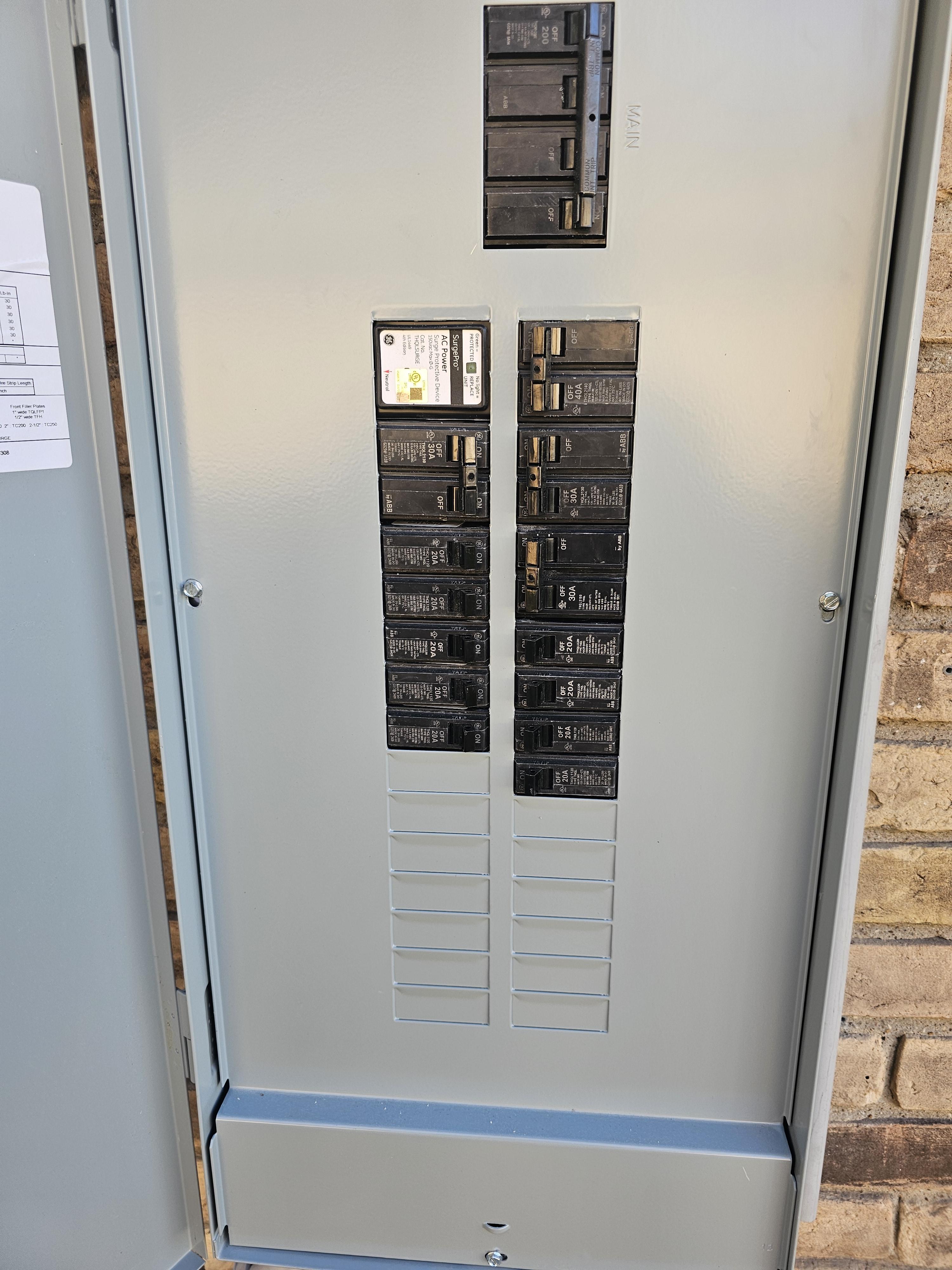
Modern panels offer advanced safety features like AFCI and GFCI protection. These devices prevent electrical fires and shocks, enhancing the safety of your property. Surge protectors add another layer of defense, safeguarding your appliances from voltage spikes.
Installing these features during a panel upgrade is a smart investment. They provide peace of mind by reducing the risk of electrical hazards. These protections are particularly important in areas prone to power surges.
Upgrading your panel with these safety features creates a safer environment. It’s an effective way to protect your home or business from common electrical risks. Prioritizing safety ensures long-term reliability and security.
Smart Monitoring and Interlocks
Smart technology transforms how you manage your electrical system. Monitoring devices allow you to track energy usage in real-time. This insight helps optimize consumption and reduce costs.
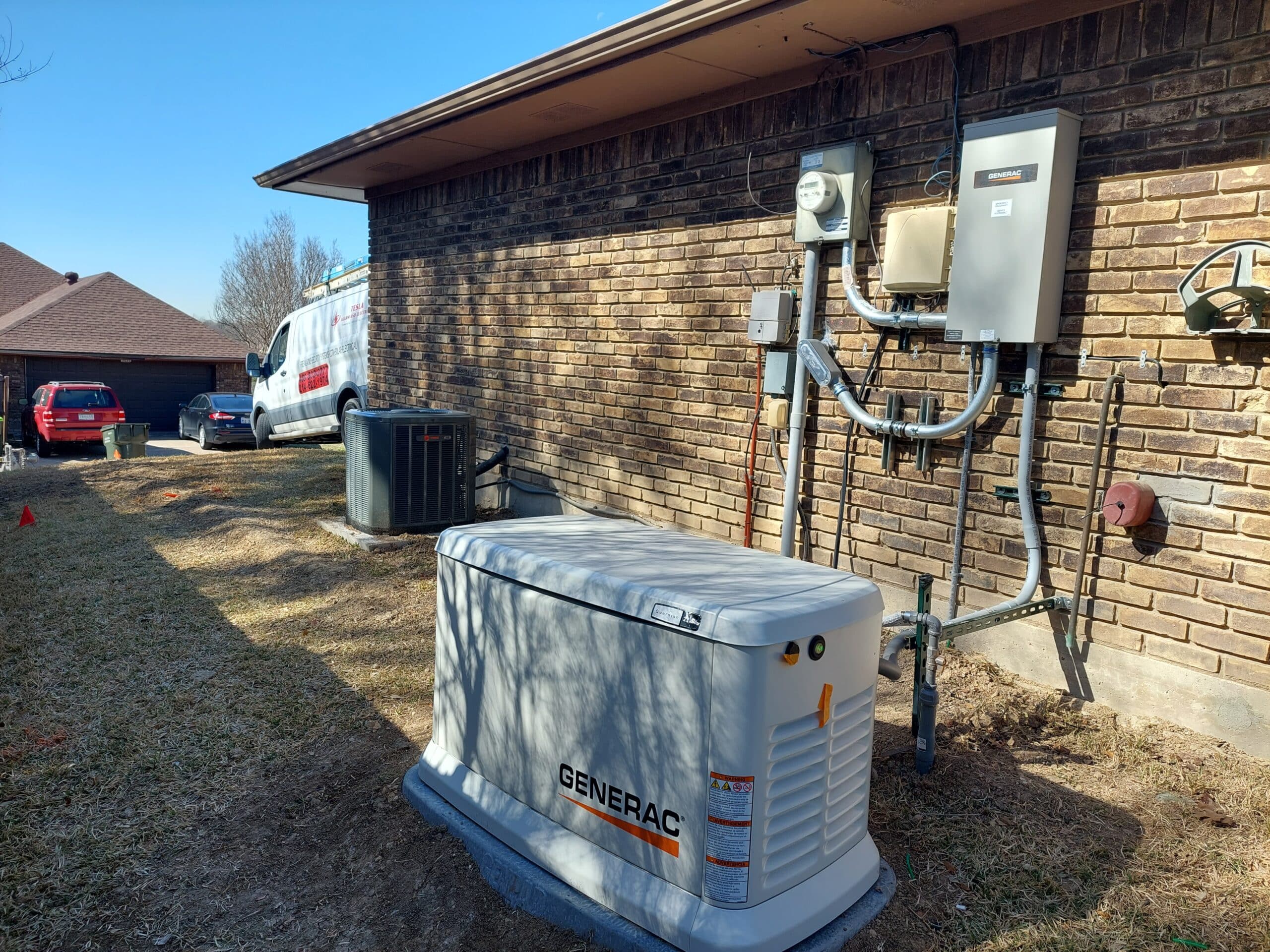
Interlocks provide safe and efficient power transfer, especially when using generators. They ensure that power flows correctly, preventing back-feeding and potential damage. These features enhance both safety and efficiency.
Incorporating smart technology into your upgrade offers numerous benefits. It provides greater control over your power system, leading to cost savings and enhanced safety. These innovations bring modern convenience to your electrical setup.
Post-Upgrade Inspections and Warranties
After your panel upgrade, a thorough inspection ensures everything functions correctly. This step verifies that all components meet safety standards and operate as intended.
Choosing a professional who offers a warranty on their work adds an extra layer of security. Warranties provide assurance that your investment is protected against future issues. They reflect the confidence and quality of the service provided.
Post-upgrade inspections and warranties are crucial for peace of mind. They confirm that your new system is safe, reliable, and efficient. By ensuring quality work, you can enjoy the benefits of your upgrade with confidence.
Frequently Asked Questions
How do I know if my electrical panel needs an upgrade?
If you experience frequent breaker trips, flickering lights, or your panel is over 20 years old, it might be time for an upgrade. Other signs include burning smells or buzzing sounds.
What are the code requirements for panel upgrades in Plano?
Upgrades are necessary for major renovations or when adding high-power appliances. Compliance with the latest NEC standards is required, often necessitating a 200-amp panel.
How do load calculations affect my panel upgrade?
Load calculations determine the total power your property needs. An electrician uses these calculations to recommend the appropriate panel size, ensuring safety and efficiency.
What role does Oncor play in my panel upgrade?
Oncor handles the power disconnection and reconnection during your upgrade. Coordination with them ensures minimal service interruption and compliance with utility requirements.
What safety features should I consider during a panel upgrade?
Consider adding AFCI, GFCI, and surge protection for enhanced safety. These features prevent electrical hazards and protect your appliances from voltage spikes.