Power outages in North Texas aren’t just inconvenient—they can disrupt your home or business for hours or even days. When ERCOT power outages hit, having the right backup generator can keep your lights on and operations running without a hitch. In this guide, you’ll learn how to plan and size your system correctly, handle permits, and maintain your backup generator Plano experts trust to keep properties storm-ready all year round. For more detailed planning and consultation, visit our North Texas standby generator planning page.
Understanding Backup Generators
When the power goes out, a backup generator becomes a lifeline. For North Texas, this necessity is even more critical due to frequent storms. Discover how these systems can protect your home and keep your business running seamlessly.
Importance for North Texas Homes
Power interruptions can happen anytime, especially during severe weather. A backup generator ensures your home remains a safe haven. Imagine your food staying fresh and your HVAC system keeping you comfortable despite outside chaos. Backup generators provide that peace of mind. They keep essential appliances like refrigerators and heating systems operational. Plus, they protect you from the discomfort and potential safety hazards of a dark, powerless home.
Business Continuity and Power Security
For businesses, power consistency is crucial. A reliable generator prevents costly downtime. It keeps your operations moving, whether you’re running a small retail shop or a larger enterprise. During outages, you can avoid lost sales, spoiled inventory, and unhappy customers. Backup generators offer security, allowing you to maintain productivity and meet customer demands, even when the power grid fails.
Planning Your Generator System
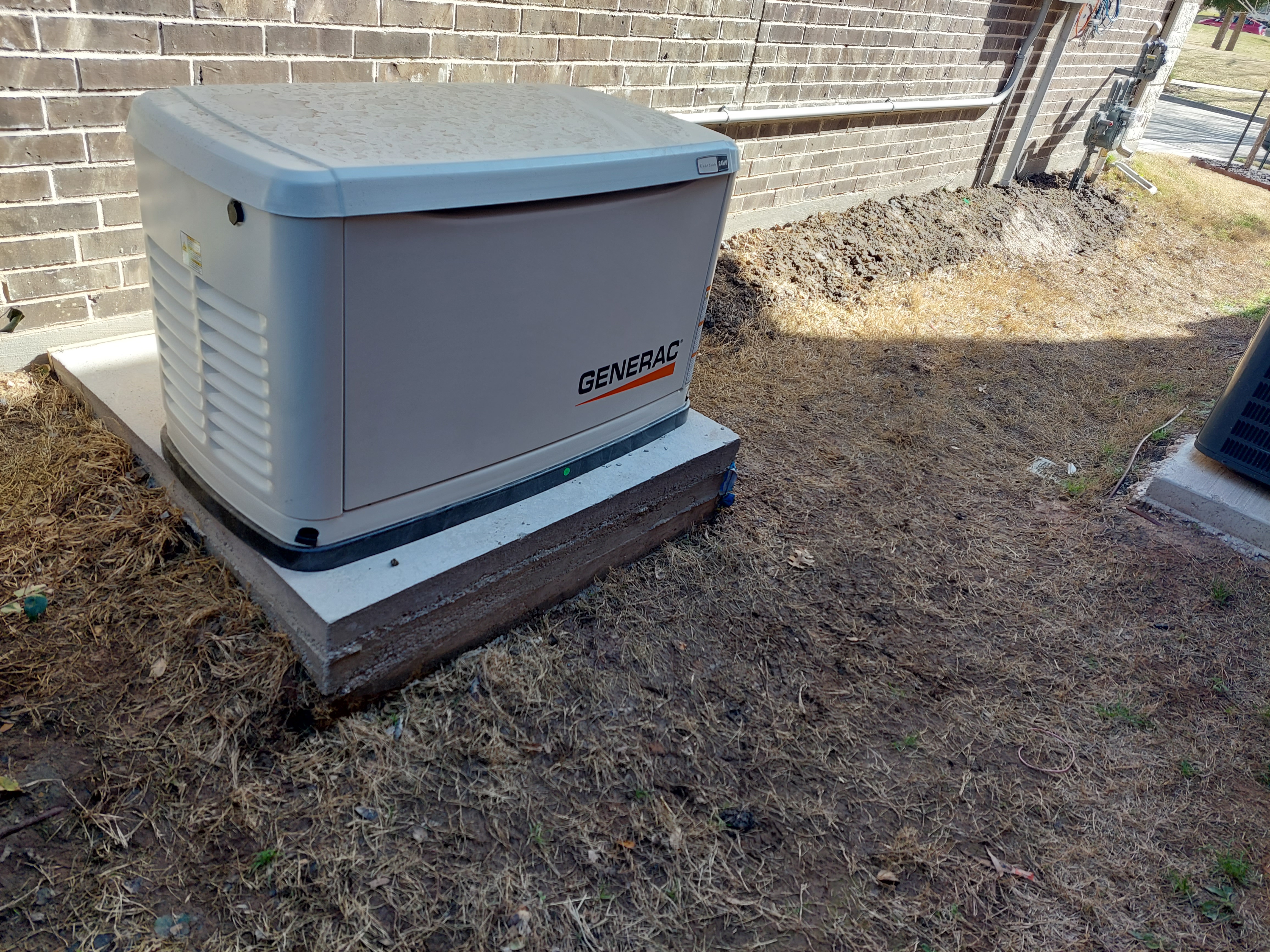
Creating the perfect generator setup involves careful planning. From sizing to permits, each step ensures your system meets your needs and complies with local regulations.
Sizing and Load Calculations
Determining the right size for your generator is crucial. You don’t want one that’s too small for your needs. A load calculation helps identify your power requirements. It considers all appliances and systems, ensuring your generator can handle the load. Consulting with a professional is wise. They use precise calculations to recommend the best fit, preventing underperformance or excessive energy use.
Fuel Options: Natural Gas vs. Propane
Choosing the right fuel type affects your generator’s efficiency and cost. Both natural gas and propane offer benefits. Natural gas is convenient. It’s delivered to your home through pipelines, so you never run out. Propane, however, is cleaner and more energy-efficient, making it a great choice for environmentally conscious homeowners. Consider your location, fuel availability, and personal preferences when deciding.
Permit and Code Compliance in Plano
Before installation, understand local permit requirements. Plano has specific codes to ensure safety and efficiency. Securing the right permits avoids legal issues and ensures your system operates safely. Working with a contractor familiar with permit and code compliance in Plano simplifies the process. They handle paperwork, inspections, and ensure your setup meets all local standards.
Generator Installation and Maintenance
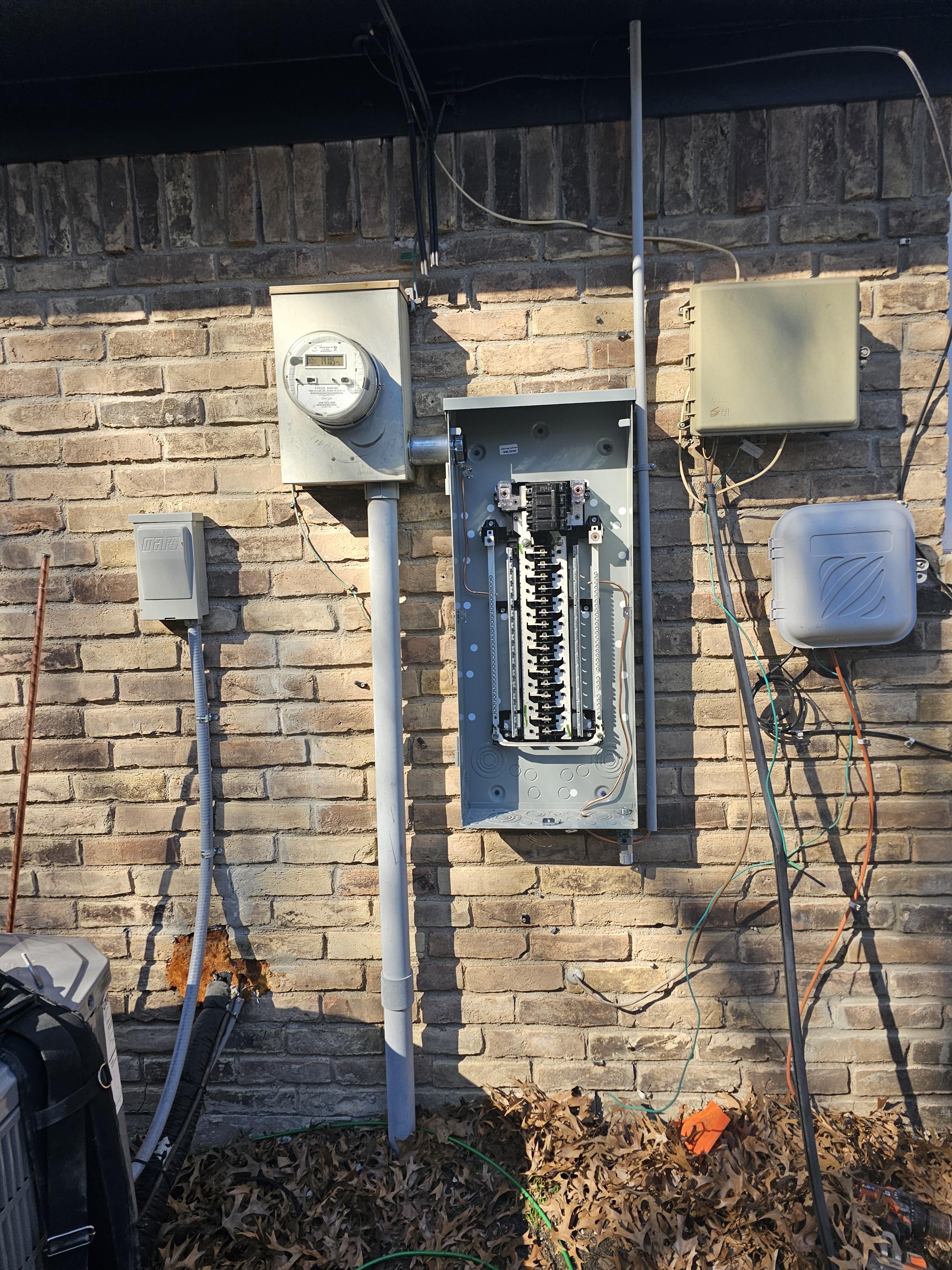
Getting your generator installed is just the beginning. Regular maintenance ensures it stays reliable when you need it most.
Choosing Standby vs. Portable Options
Deciding between standby and portable generators depends on your needs. Standby generators are permanently installed. They power your home automatically during an outage. They’re ideal for those seeking convenience and reliability. Portable generators are more affordable and flexible. They’re perfect for smaller power needs and can be moved as needed. Consider your budget and power requirements when choosing.
Benefits of an Automatic Transfer Switch
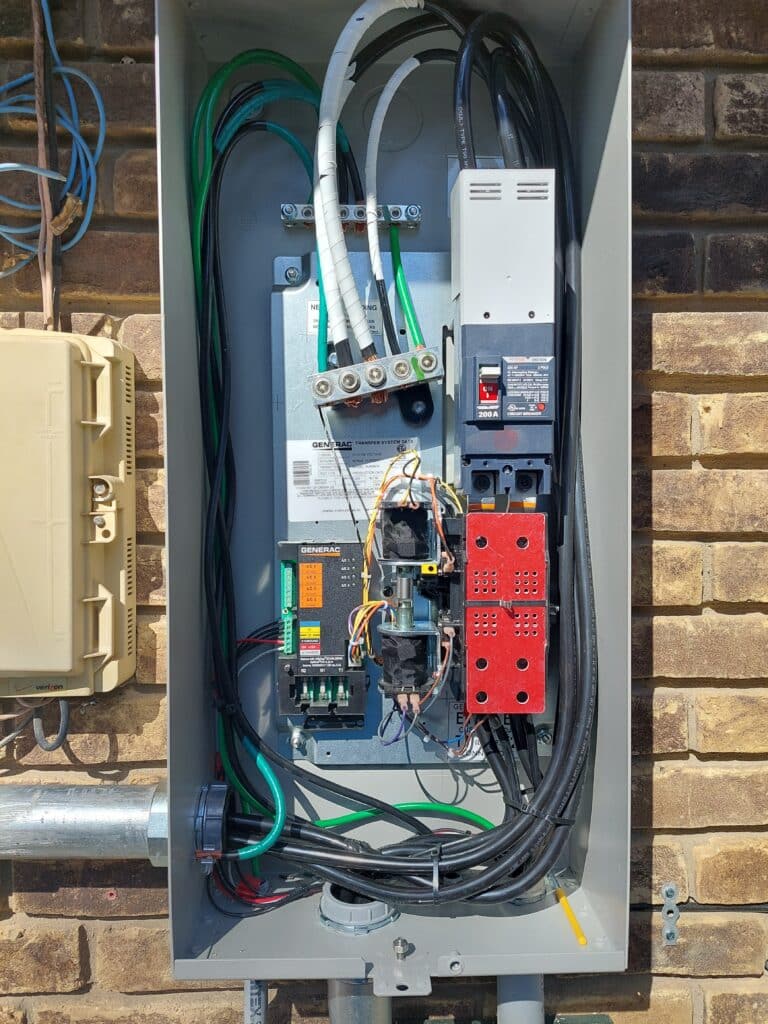
An automatic transfer switch (ATS) is a game-changer. It seamlessly switches power from the grid to your generator during an outage. With an ATS, you avoid the hassle of manually starting your generator. It ensures a smooth transition, keeping your home or business powered without interruption. An ATS adds convenience and peace of mind, ensuring you’re always prepared.
Essential Generator Maintenance Plans
Regular maintenance keeps your generator ready. Just like any equipment, it requires care. Routine checks and servicing ensure longevity and performance. A maintenance plan covers inspections, testing, and repairs. It prevents unexpected breakdowns and costly repairs. Partner with a trusted provider for comprehensive care. By keeping up with maintenance, you ensure reliability when it matters most.
Frequently Asked Questions
What size generator do I need for my home?
The size depends on your power needs. Calculate your load by listing essential appliances and their wattage. Consulting with a professional ensures accurate sizing.
Which is better: natural gas or propane generators?
Both have benefits. Natural gas is convenient and won’t run out, while propane is cleaner and more energy-efficient. Consider availability and environmental impact.
Do I need permits for a generator in Plano?
Yes, permits ensure safety and compliance with local codes. Working with a professional familiar with Plano’s requirements simplifies the process.
How often should a generator be serviced?
Regular maintenance is crucial. Typically, a generator should be serviced annually, but more frequent checks ensure optimal performance.
What is the advantage of an automatic transfer switch?
An ATS provides seamless power transition during outages. It automatically switches to generator power, offering convenience and uninterrupted service.