Installing an EV charger at your Dallas property isn’t as simple as just plugging it in. Many run into unexpected hurdles like outdated electrical panels or missing permits that slow down the process. This guide lays out clear steps to get your site ready for a smooth, code-compliant EV charger installation Dallas homeowners and businesses can trust. For more information on preparing your property, you can check out this guide.
Preparing Your Site for Installation
A successful EV charger installation begins with proper site preparation. Here’s how to ensure your property is ready.
Assessing Electrical Capacity
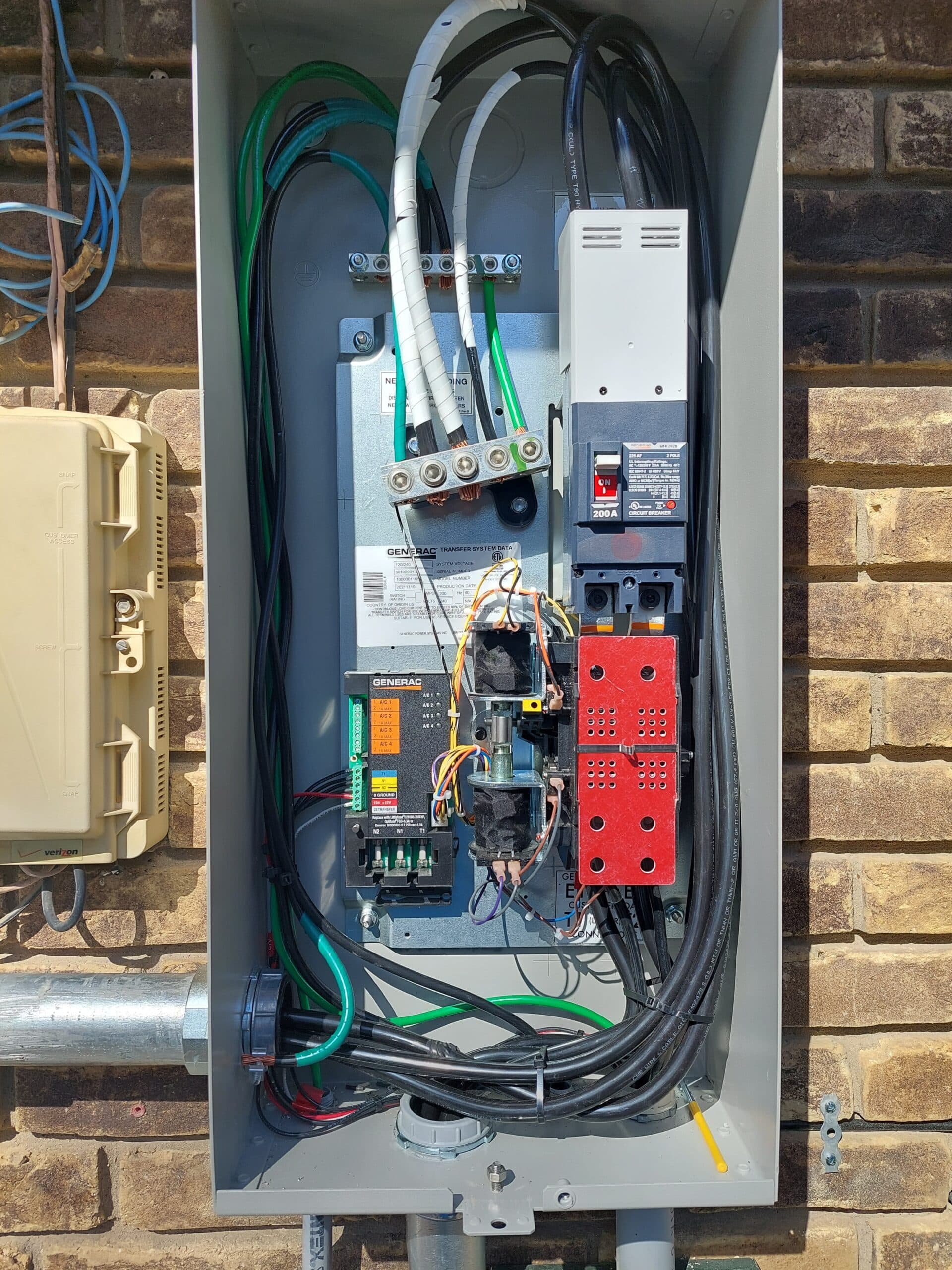
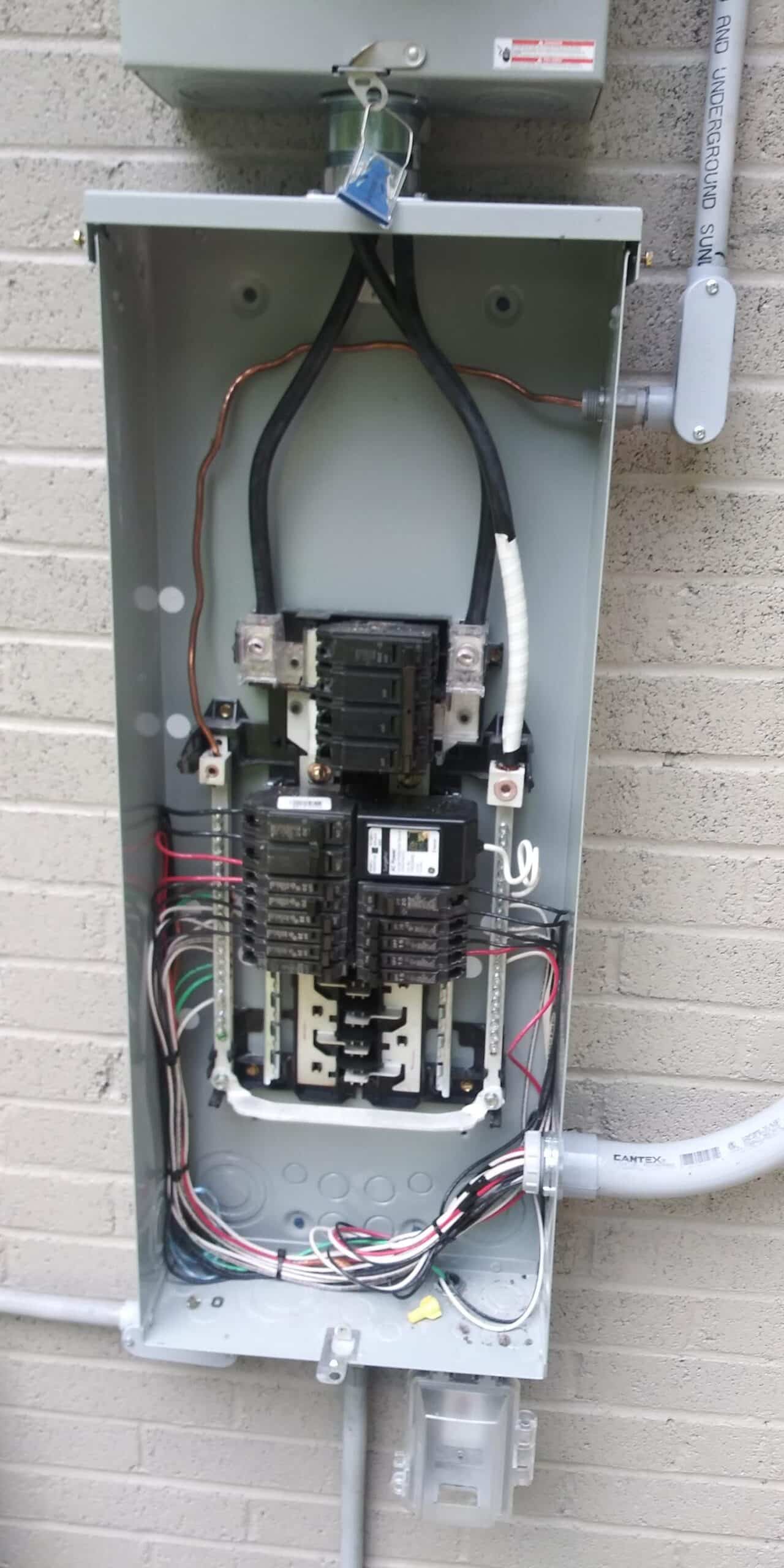
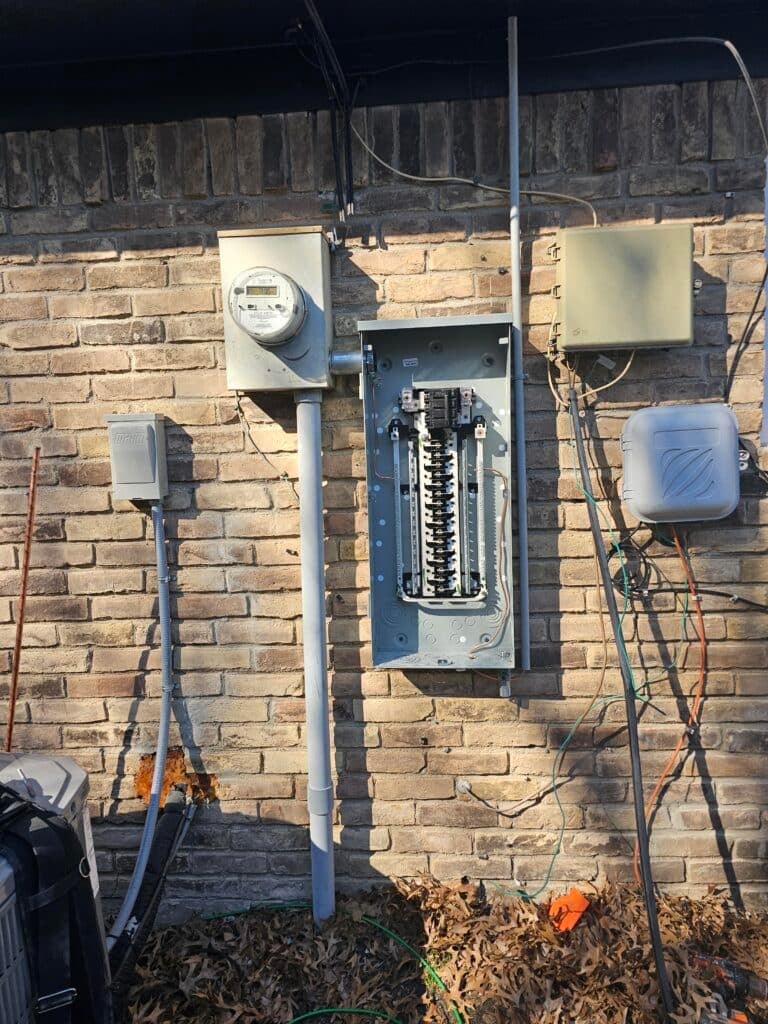
Before installing an EV charger, it’s crucial to check if your existing electrical system can handle the additional load. Your home or business may need an electrical panel upgrade or new wiring to support the charger. An electrician can perform a load calculation for an EV charger to determine your capacity needs. This ensures safety and prevents potential overloading of circuits.
A story from a Dallas homeowner highlights this: They wanted a Level 2 EV charger but discovered their panel couldn’t support it. Upgrading the panel solved the problem, allowing them to charge their vehicle efficiently without worry. The key insight here is to assess your electrical system before making any installation decisions.
Choosing the Right Charger Level
Selecting the appropriate charger level impacts how quickly your vehicle charges. Level 2 chargers are ideal for home use, offering a good balance between speed and cost. Level 3 chargers, on the other hand, are more suitable for commercial settings due to their rapid charging capabilities.
Think of it like this: If you want your car ready in just a few hours, opt for a Level 2 charger. For commercial sites, a Level 3 charger can accommodate multiple vehicles quickly, enhancing convenience for customers and employees alike.
Understanding Parking Layout Requirements
Parking layout plays a significant role in EV charger installation. Consider where vehicles will park, the distance to the power source, and any possible obstructions. Installing a charger in a garage may require less wiring compared to outdoor parking.
For commercial properties, planning for parking lot EV chargers is essential. This setup not only caters to your customers but also positions your business as environmentally conscious and forward-thinking.
Navigating Local Codes and Permits
Understanding and navigating local regulations is vital to a hassle-free installation. Here’s what you need to know about codes and permits in Dallas.
Dallas Electrical Permit Process
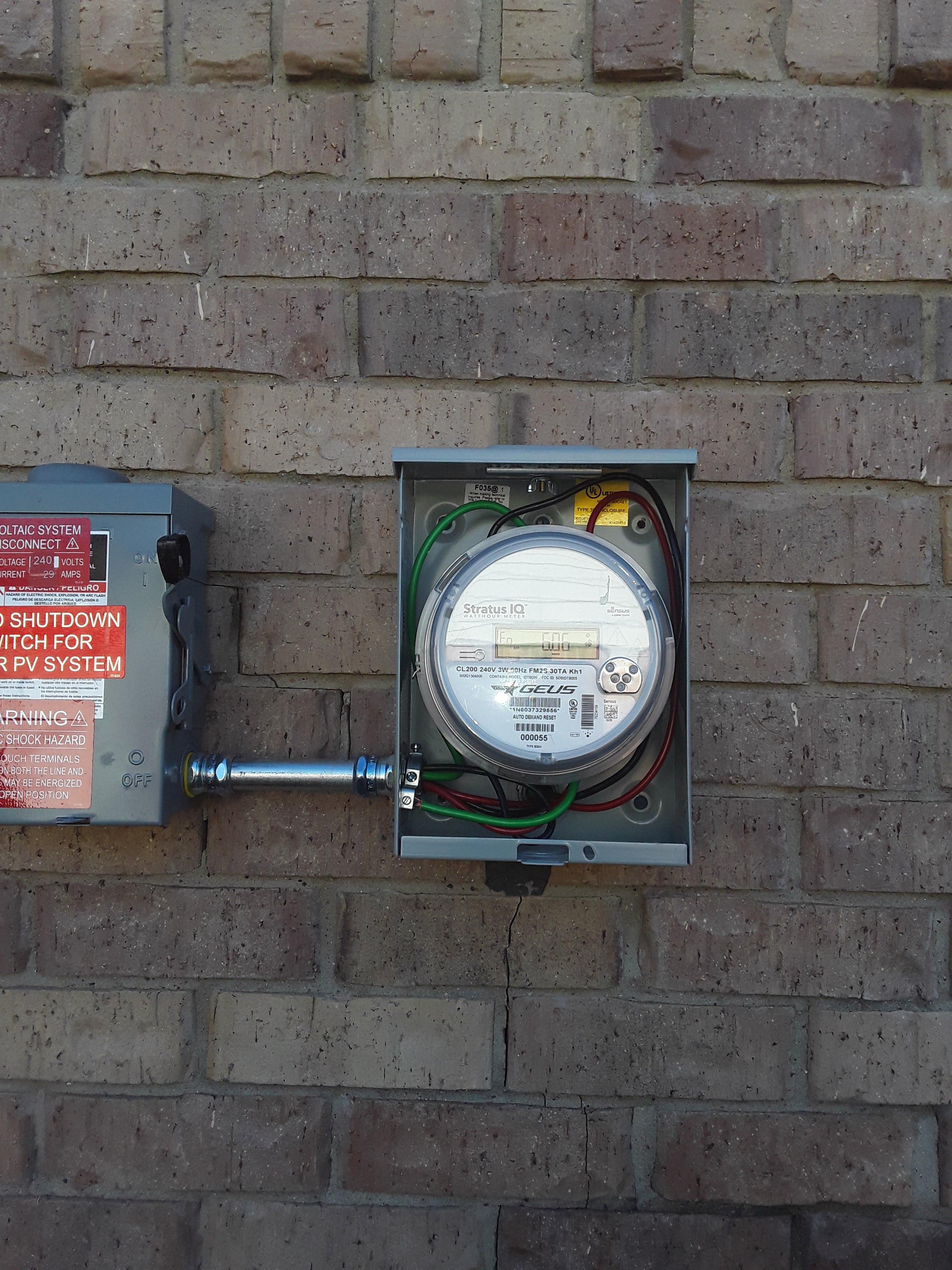
In Dallas, an electrical permit is mandatory for EV charger installation. This ensures the installation meets safety standards. Start by contacting the local building department to learn about specific requirements and fees. The permit process might seem daunting, but it ensures your installation is compliant and safe.
Having a permit protects you legally and guarantees that your installation adheres to all city codes. Many homeowners find this step reassuring, knowing their property is up to standard.
NEC Code Compliance for EV Charging
The National Electrical Code (NEC) provides guidelines for safe electrical installations, including EV chargers. Compliance with NEC codes is non-negotiable and ensures that the installation is performed safely. You’ll need a professional who understands these codes and can implement them effectively.
Ignoring NEC compliance can lead to safety hazards, so prioritize this step. Professionals well-versed in these codes can help you avoid costly mistakes and ensure a safe setup.
Utility Coordination and Planning
Coordinating with your utility company is an often-overlooked step in the installation process. They can provide insights into your electrical usage and suggest possible upgrades. This coordination ensures your system can handle the new load without issues.
It’s like having a roadmap before embarking on a journey; knowing your limits helps in planning effectively. Engaging with your utility company early can prevent power disruptions and provide a seamless installation experience.
Scheduling Professional Installation Services
Professional installation is crucial for a reliable and efficient EV charger setup.
Finding an EVSE Installer Near You
Choosing the right installer is key. Search for a reputable EVSE installer near you to ensure quality work. Look for professionals with experience in handling EV chargers, who are familiar with local codes and requirements.
Professional installers can offer peace of mind and a smoother installation process. Their expertise ensures that your charger functions efficiently and safely.
Electrical Panel Upgrade Considerations
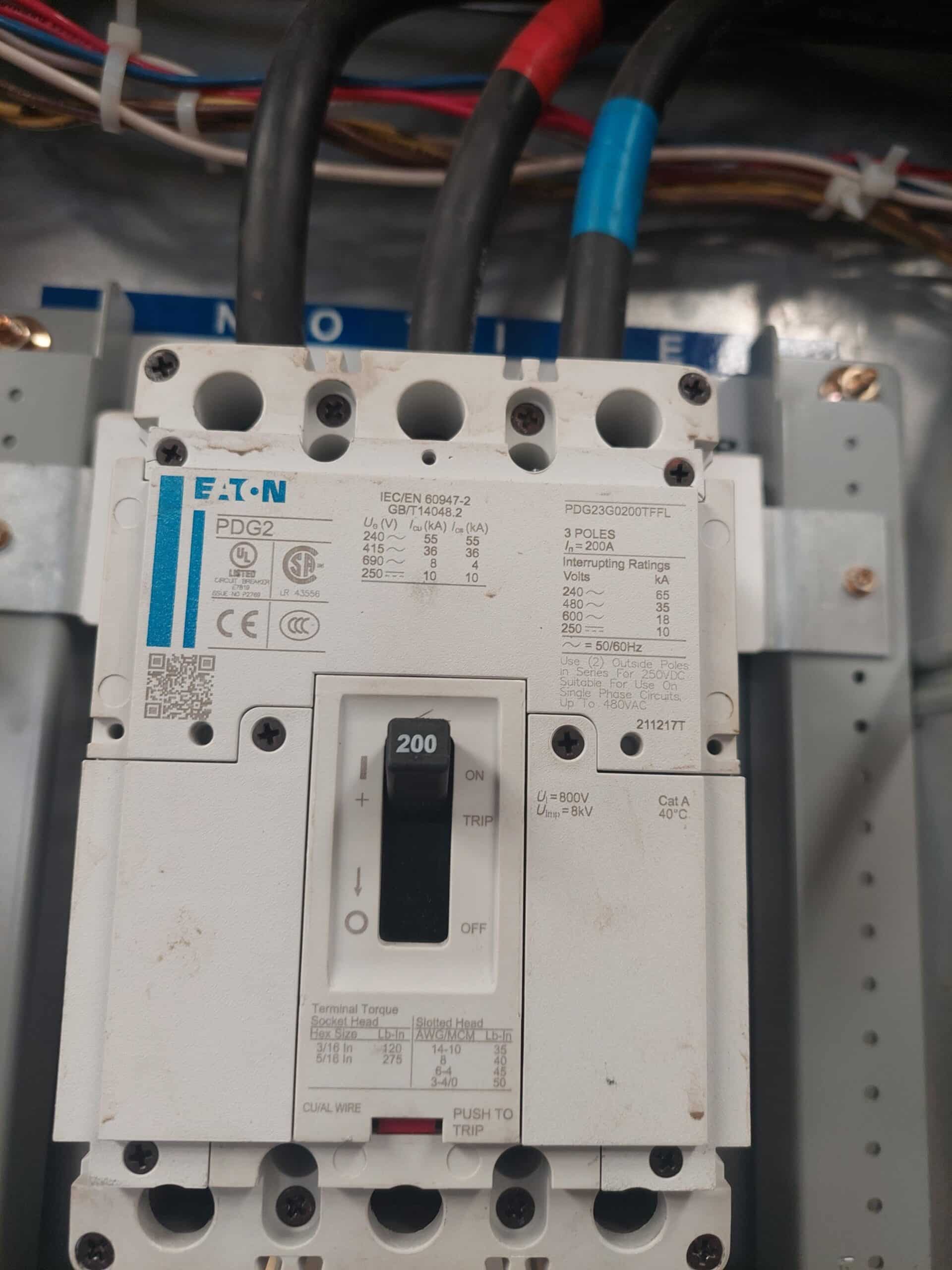
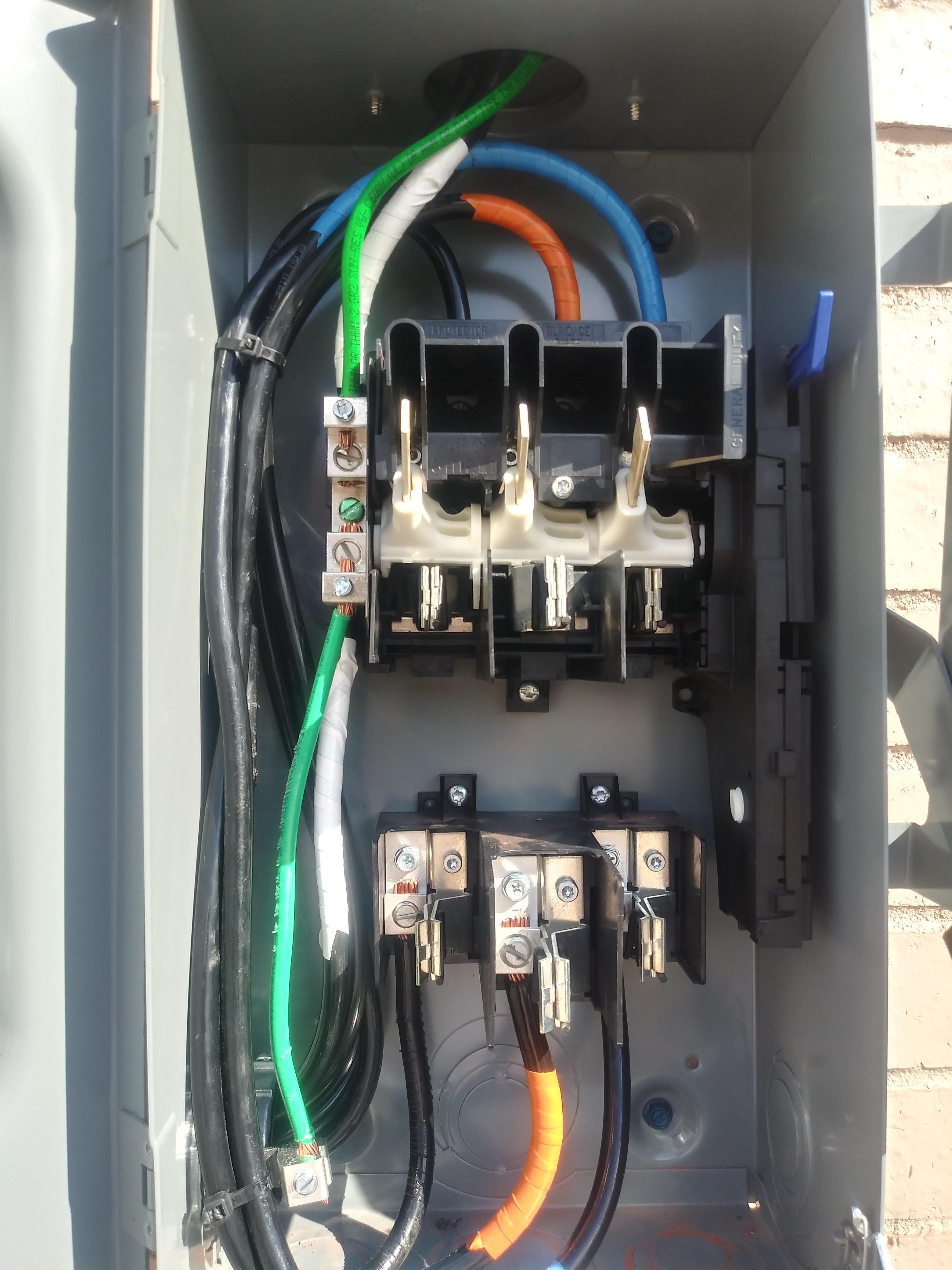
An electrical panel upgrade may be necessary for your EV charger installation. Older panels might not support the additional load, posing a safety risk. Engage a professional to assess whether an upgrade is needed. They can recommend the right type and size of panel for your specific needs.
Think of this upgrade as future-proofing your property. It not only supports your current needs but also prepares you for potential future electrical demands.
Benefits of Professional Site Assessment
A professional site assessment provides a clear picture of what’s needed for your installation. Experts can identify potential challenges and offer solutions, ensuring a smooth process from start to finish.
This assessment is invaluable; it saves time and money by pinpointing exactly what your property requires for a successful installation. Most people think they can handle installations alone, but professional input often reveals overlooked elements that are crucial for safety and efficiency.
Frequently Asked Questions
What permits are required for EV charger installation in Dallas?
In Dallas, you need an electrical permit for EV charger installations. Contact your local building department for specific requirements and fees to ensure compliance.
How do I choose the right EV charger for my home?
Consider your vehicle’s charging needs and your electrical system’s capacity. Level 2 chargers are generally suitable for home use, offering a balance between charging speed and cost.
Why is a professional site assessment important?
A professional assessment identifies potential challenges and ensures the installation meets all safety standards. It provides clarity and helps avoid costly mistakes during the installation process.