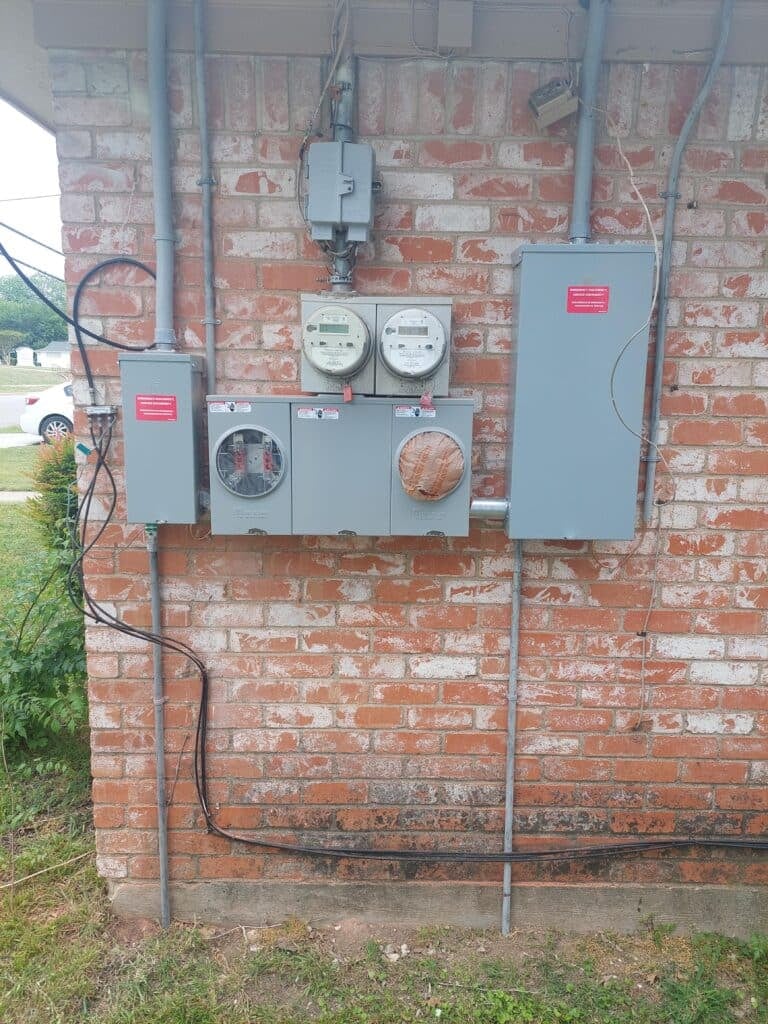
Many property managers in Plano overlook the small details that cause big electrical problems later. When your building’s power fails or code violations pile up, downtime and costly repairs follow. This electrical maintenance checklist for property managers in Plano lays out the exact steps to keep your property safe, compliant with NFPA 70 and the Texas Electrical Code, and running smoothly year-round. Learn more here.
Essential Electrical Maintenance Tasks
To prevent major issues and ensure smooth operations, you need to focus on essential maintenance tasks. This section highlights what to watch for and the steps to take.
Regular Property Inspections
Regular inspections are your first line of defense against electrical problems. You should conduct these checks quarterly to spot issues early. Look out for flickering lights, buzzing sounds, or any unusual odors. These are signs of potential electrical system failures.
Engage a professional to perform a detailed inspection. This includes testing all electrical panels and ensuring they are not overloaded. Regular checks help in identifying early signs of wear and tear, allowing timely interventions.
Key Compliance Standards
Understanding compliance standards is crucial for property management. NFPA 70 and the Texas Electrical Code are the primary guidelines you must follow. They outline critical safety practices.
Ensure all installations and repairs meet these standards. It’s not just about avoiding fines; compliance helps prevent accidents. Keep documentation of all inspections and upgrades, as it proves adherence to these codes.
Importance of Preventive Maintenance
Preventive maintenance saves time and money. By tackling small issues before they escalate, you avoid costly repairs. Schedule regular maintenance to keep your systems in top shape.
Routine maintenance like GFCI testing and checking for loose connections should be part of your schedule. An effective preventive plan keeps your property safe and reduces unexpected downtimes.
Common Electrical System Checks
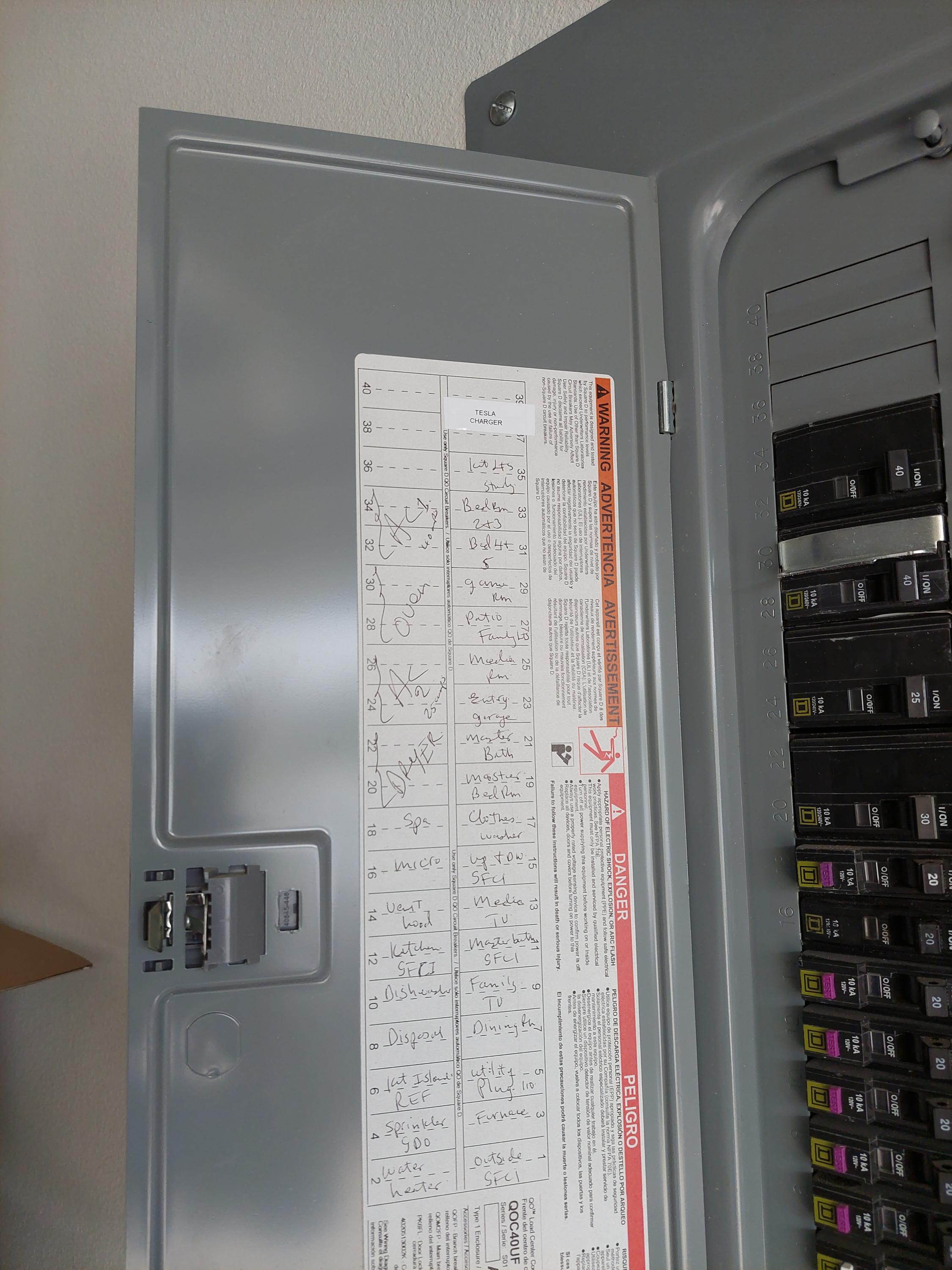
Regular system checks are vital in maintaining a robust electrical setup. This section delves into the common checks you should incorporate into your routine.
Electrical Panel Maintenance
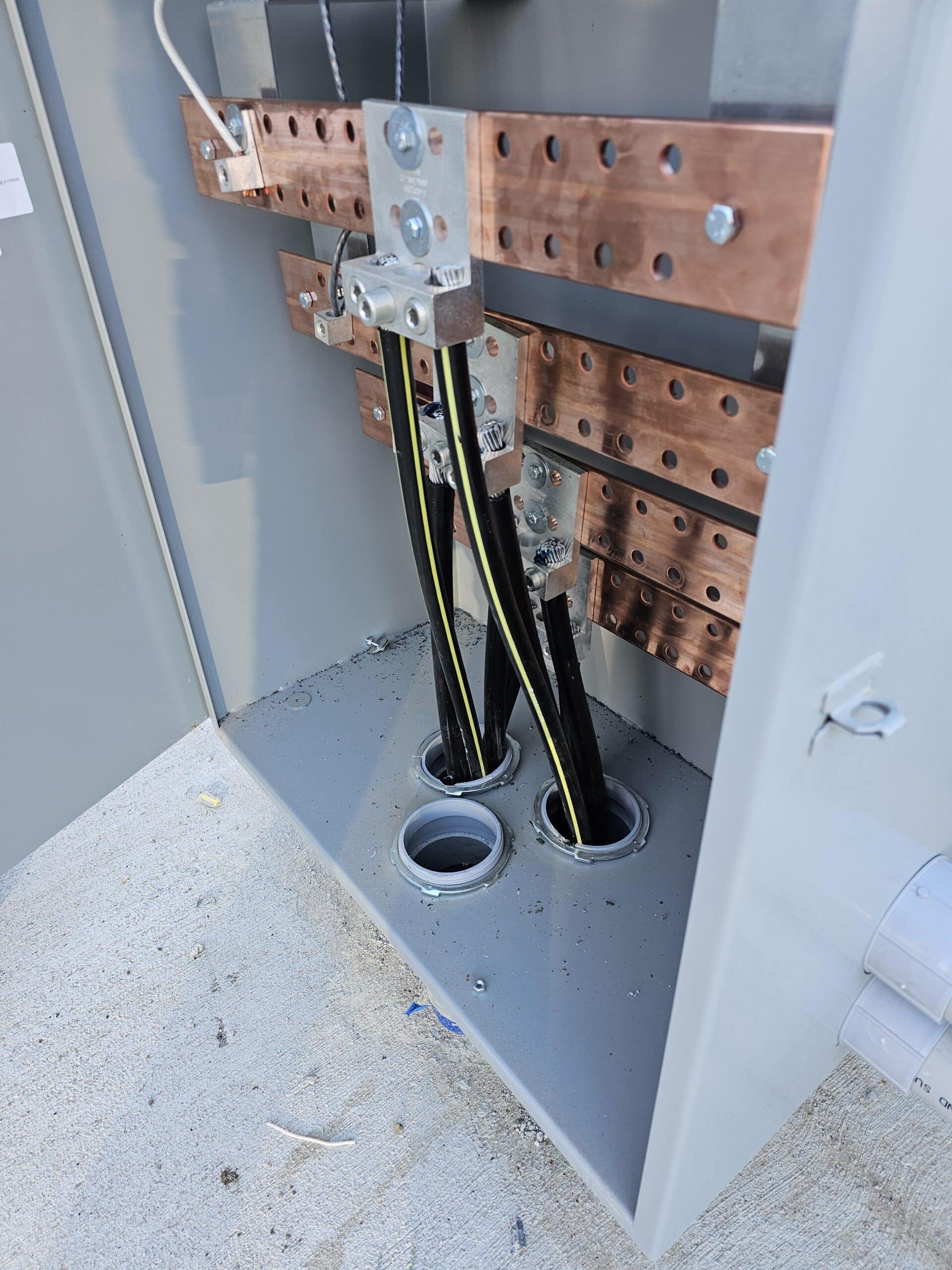
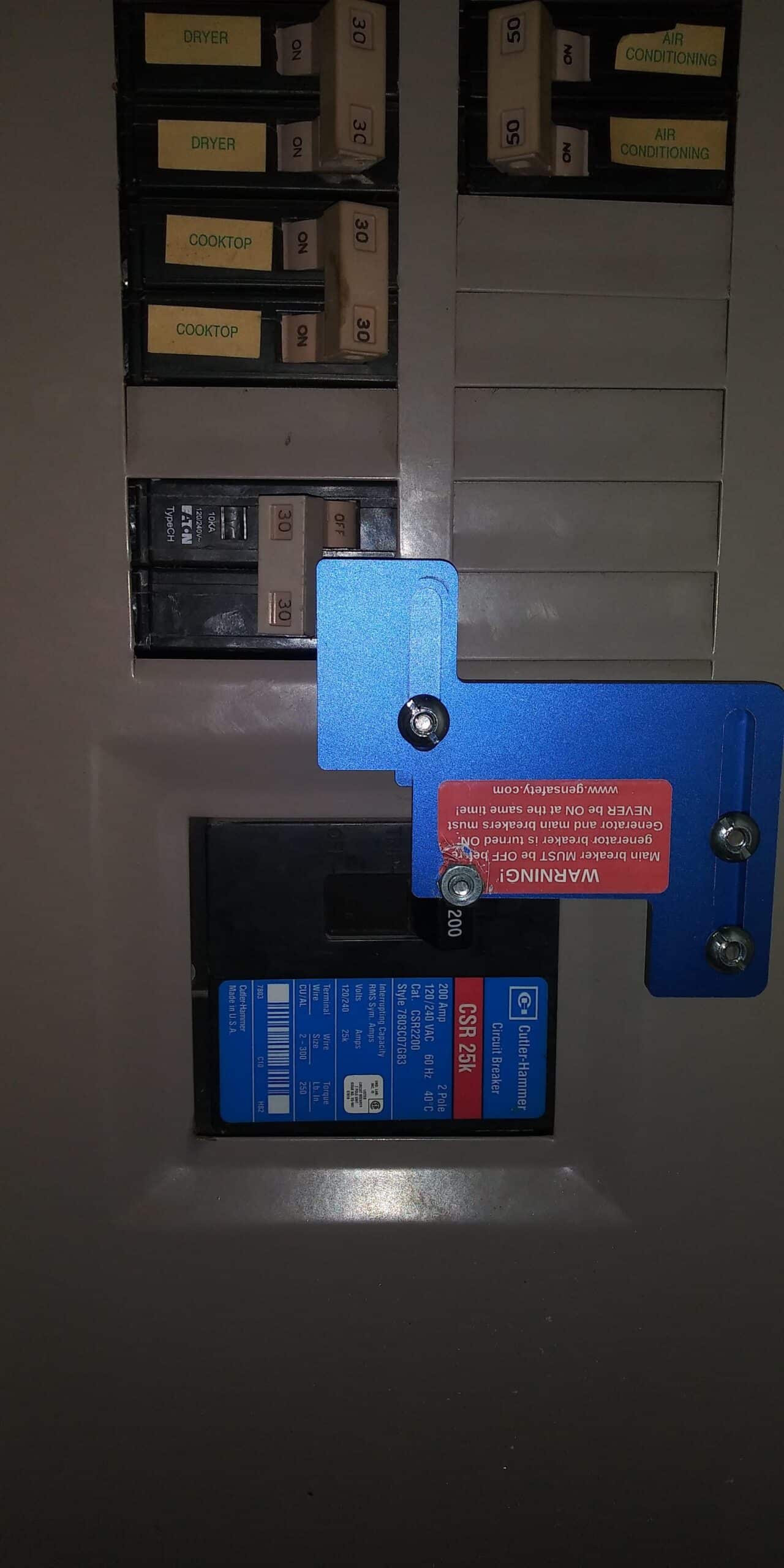
Electrical panels are the heart of your system. They distribute power throughout the building, and any fault can cause serious disruptions. Inspect them regularly for signs of wear or corrosion.
Ensure panels are not overloaded. Frequent breaker trips indicate potential problems and may require a panel upgrade. Keeping panels in optimal condition prevents outages and ensures safety.
Emergency Lighting and Exit Signs
Emergency lighting and exit signs are crucial for safety. They guide occupants during power failures. Regular testing ensures they function correctly in emergencies.
Check batteries and bulbs frequently. Ensure all signs are visible and unobstructed. Regular testing and maintenance are not just about compliance; they safeguard the lives of those on your property.
Surge Protection and Backup Generators
Surge protection devices guard against voltage spikes. They protect sensitive equipment from damage. Check these devices regularly to ensure they function properly.
Backup generators provide power during outages. Regular maintenance ensures they start and run when needed. Inspect fuel levels and test the generator under load conditions to verify reliability.
Advanced Maintenance Techniques
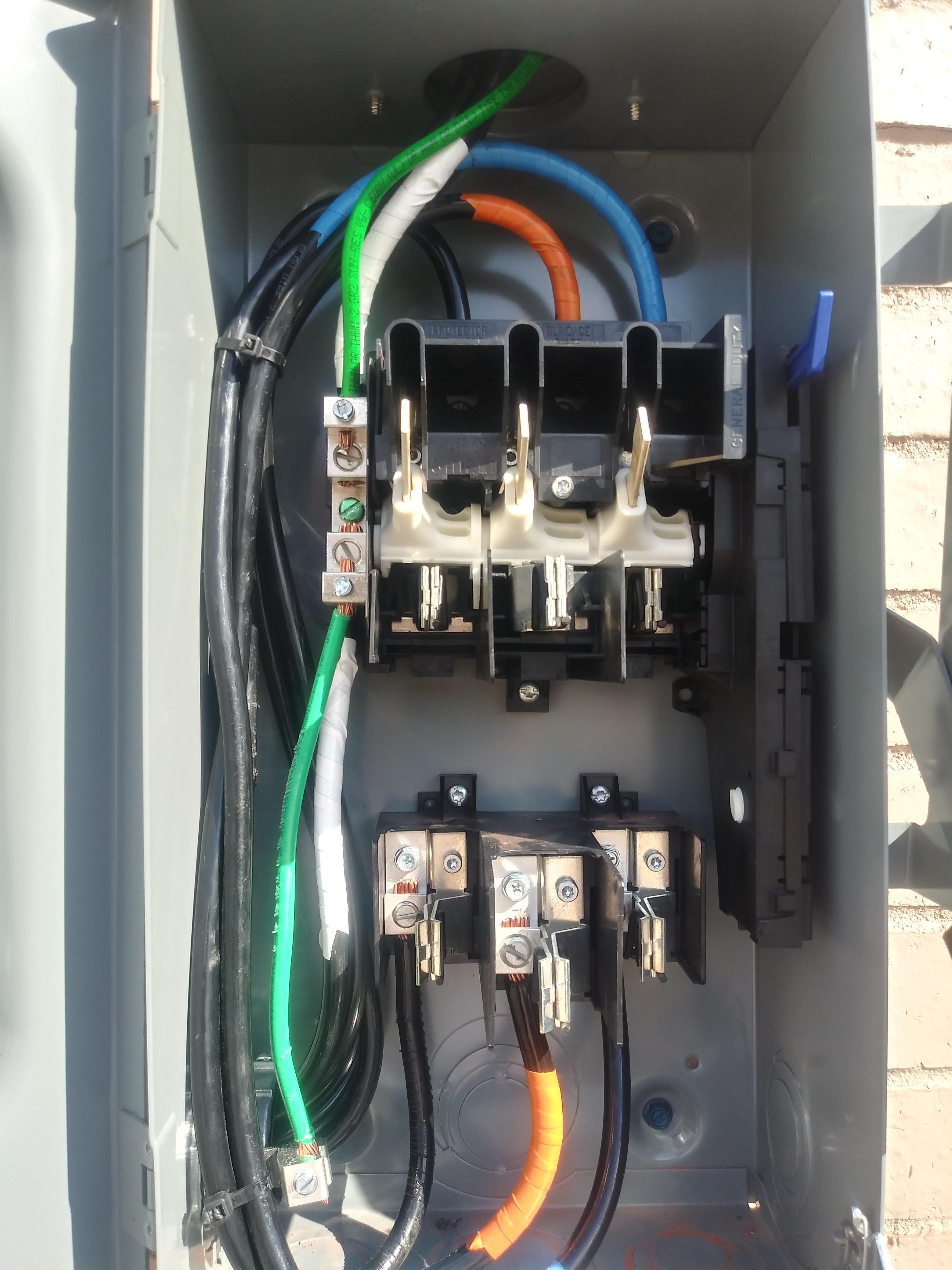
Advanced techniques offer a deeper layer of protection and efficiency. They can identify hidden issues that regular checks might miss.
Infrared Thermography Insights
Infrared thermography detects hotspots in electrical systems. It’s a non-invasive way to identify potential failures before they become serious.
Use thermography annually to assess panels, connections, and wiring. This proactive approach helps in spotting issues that are not visible during regular inspections, reducing fire risks and enhancing safety.
LED Lighting Retrofits
Switching to LED lighting is a smart move. LEDs are energy-efficient and have a longer lifespan. Retrofitting older fixtures reduces energy consumption and maintenance costs.
LEDs also provide better illumination, enhancing safety and comfort. This upgrade can significantly impact your bottom line by lowering utility bills and reducing the frequency of bulb replacements.
Security Systems and CCTV Maintenance
Security systems and CCTV are critical components of modern properties. Regular maintenance ensures they function effectively, maintaining security and reducing liability.
Check cameras for clarity and coverage. Ensure systems are updated and backed up regularly. Proper maintenance of these systems deters crime and provides peace of mind to occupants.
Frequently Asked Questions
What are the key electrical maintenance tasks for property managers in Plano?
Regular inspections, compliance with NFPA 70, and preventive maintenance are crucial. Focus on electrical panel checks, emergency lighting, surge protection, and backup generators.
How often should emergency lighting be tested?
Test emergency lighting and exit signs monthly. This ensures they function correctly during power outages or emergencies, meeting safety standards.
Why is infrared thermography important in electrical maintenance?
Infrared thermography identifies hotspots that may indicate potential failures. It helps detect issues early, preventing costly repairs and increasing safety.
What are the benefits of LED lighting retrofits?
LED lighting retrofits save energy, reduce maintenance costs, and provide better illumination. They have a longer lifespan and can significantly lower utility bills.
How often should security systems and CCTV be maintained?
Regularly check and maintain security systems to ensure optimal performance. This includes monthly inspections and annual system updates to maintain security and reliability.
By following this guide, property managers in Plano can keep their properties safe, compliant, and efficient. For more detailed resources, consider exploring this multifamily electrical maintenance checklist.