Storm season in North Texas doesn’t wait, and neither should your backup power plan. When the next outage hits, scrambling for solutions can leave your home or business in the dark longer than necessary. Getting ahead means knowing your options—from standby generators to surge protection—and making sure everything is sized and permitted right. Let’s walk through why backup power North Texas residents trust needs to start well before the first storm rolls in.
Importance of Backup Power in North Texas
As storm season approaches, understanding the significance of backup power is crucial. Let’s explore why planning ahead can save you from unnecessary stress and downtime.
Why Plan Before Storm Season
In North Texas, storms can unexpectedly disrupt your electricity. By planning early, you ensure your home or business stays powered. Waiting until a storm hits can lead to rushed decisions or lack of availability for necessary equipment. By choosing options like a standby generator or surge protection now, you can avoid the scramble when a storm is imminent. Early preparation means you’re not left in the dark.
Risks of Power Outages
Power outages can cause more than just inconvenience. They can lead to spoiled food, lost data, and even damage to electronics. For businesses, the stakes are higher: outages can halt operations, leading to financial losses. Homes and businesses both face security risks when surveillance systems go offline. Having a reliable backup power system not only protects your property but also ensures safety and peace of mind during severe weather.
Backup Power Options Explained
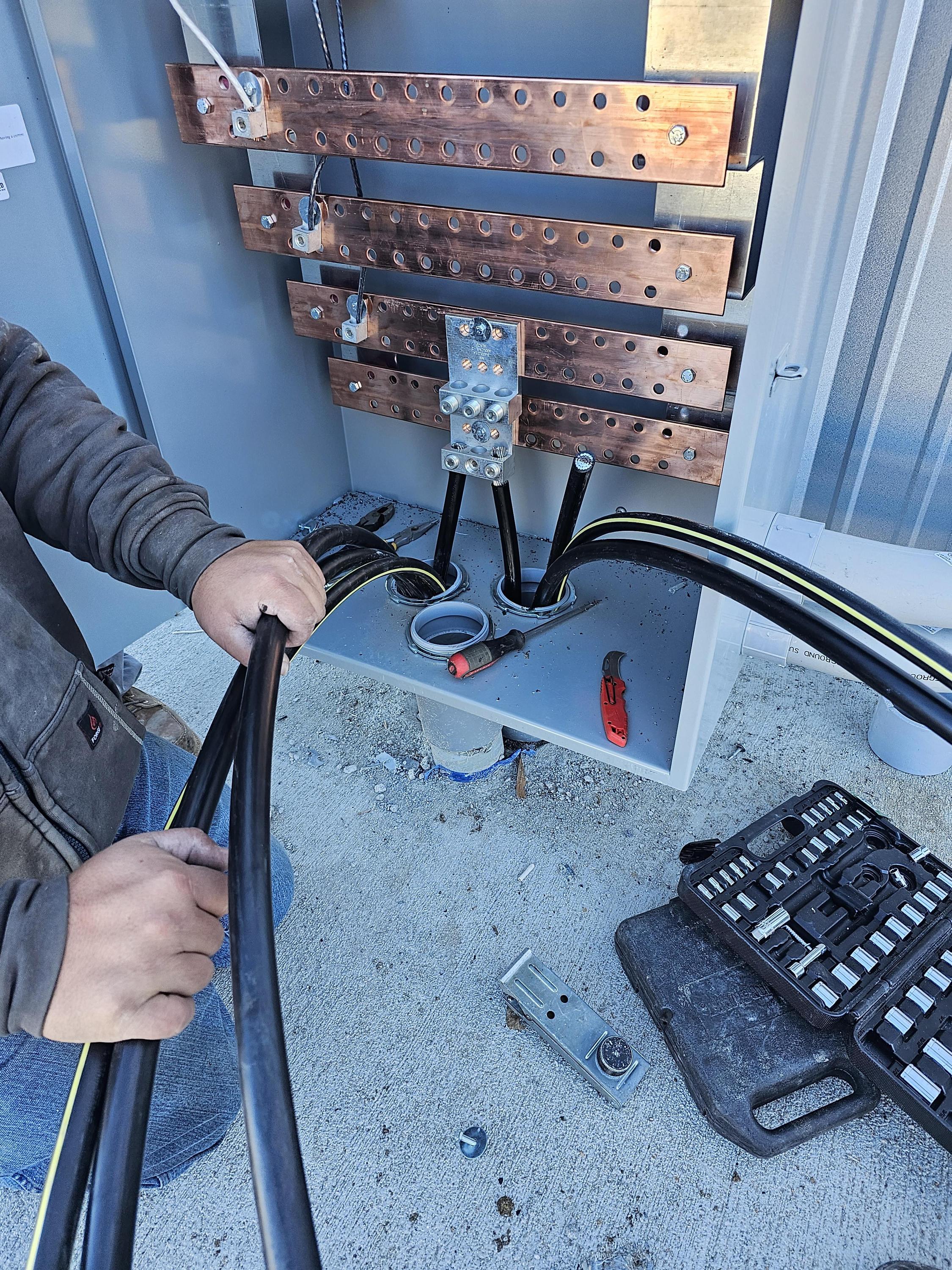
Once you grasp the importance of backup power, it’s time to consider your options. Different systems cater to varied needs and budgets, so it’s vital to understand which is best for you.
Standby and Portable Generators
Standby generators are a robust solution for continuous power during an outage. They automatically kick in when the power goes out, providing seamless transition and reliability. These generators are often powered by natural gas or propane, making them a reliable and low-maintenance choice. Portable generators, on the other hand, offer flexibility and mobility. They’re ideal for short-term use or for powering specific appliances and can run on gasoline or propane. However, they require manual setup during each outage, which might not be convenient in all situations.
UPS and Battery Backups
Uninterruptible Power Supplies (UPS) and battery backups are excellent for protecting sensitive electronics and maintaining connectivity. A UPS system provides immediate power by switching to battery backup during an outage, preserving critical data and preventing hardware damage. Battery backups can be scaled for larger systems and are a sustainable option, often used in conjunction with renewable energy sources like solar panels. Both options provide peace of mind, especially for businesses needing uninterrupted power.
Considerations for Backup Power Systems
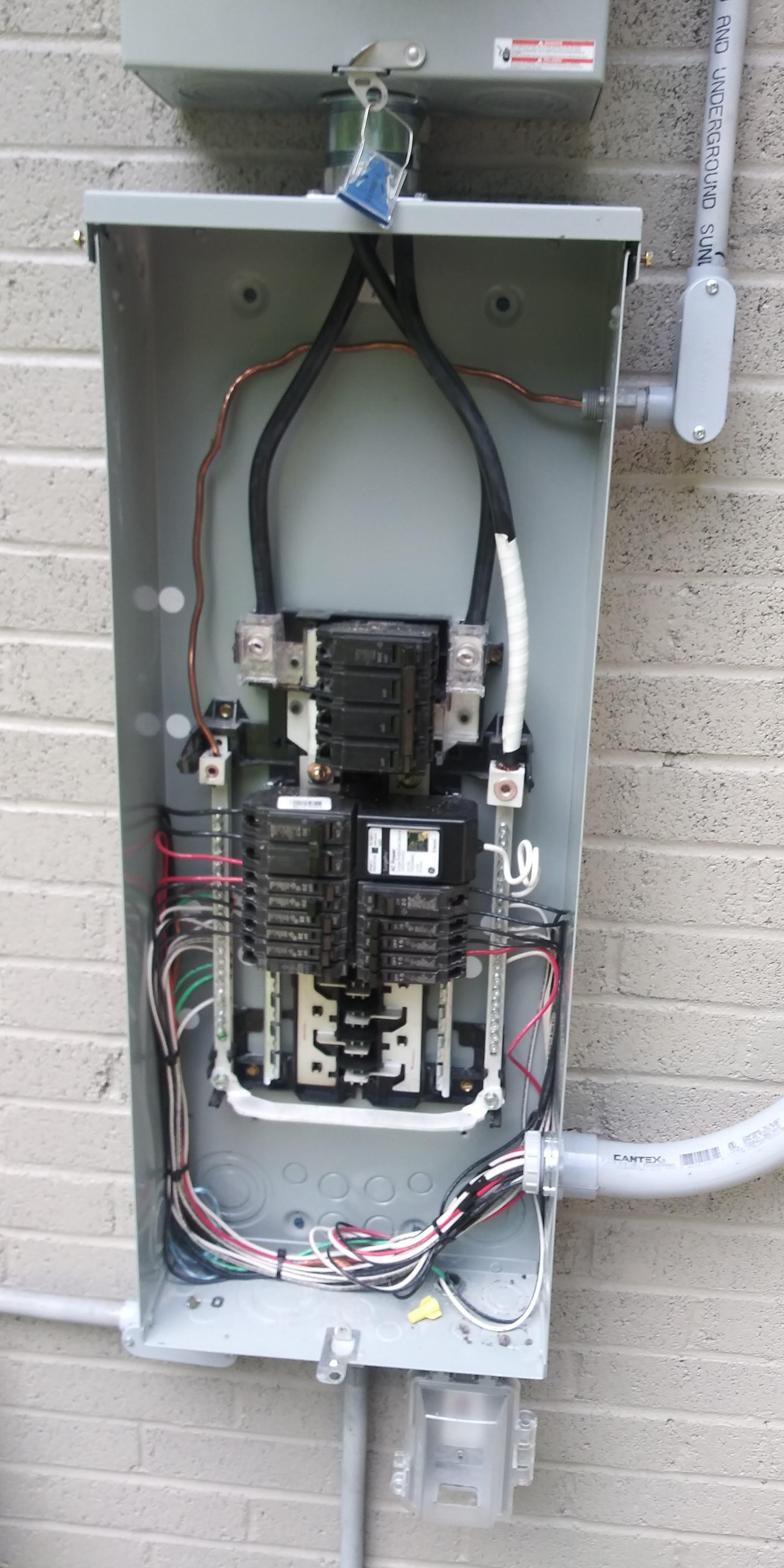
Understanding the different systems is just the first step. Consideration of practical elements like permits and installation is essential for a successful setup.
Permitting and Fuel Needs
Before installing a backup power system, check local permitting requirements. Authorities may need to approve installations to ensure they meet safety and zoning regulations. Fuel type and availability should also guide your decision. Natural gas is a convenient option for standby generators, while gasoline or propane is necessary for portable generators. Make sure you have a steady fuel supply to avoid running out during an emergency.
Sizing and Installation Steps
Choosing the right size generator is crucial. Too small, and it won’t power your needs; too large, and you may waste resources. Assess your power needs by listing essential appliances and systems, then consult a professional to determine the appropriate generator size. Installation involves setting up the transfer switch, ensuring proper ventilation, and connecting to your electrical panel. Always opt for professional installation to guarantee safety and compliance.
Frequently Asked Questions
What size generator do I need for my home?
To determine the size, list your essential appliances and their wattage. A professional can help calculate the total power requirement and recommend a suitable generator size.
How often should I maintain my generator?
Regular maintenance is key to reliability. For standby generators, annual inspections are typical. Portable generators require more frequent checks, especially if used often.
Do I need a permit to install a generator?
Most areas require permits for generator installations to ensure safety standards are met. Check with local authorities or consult a professional installer.
What is the difference between a standby generator and a portable generator?
Standby generators are permanently installed and automatically power your home during an outage. Portable generators are mobile, require manual setup, and are best for short-term use.
Can a UPS system power my home during an outage?
A UPS is designed for short-term power for electronics like computers and modems. For whole-home power, a generator or larger battery backup system is recommended.