When storms hit North Texas, losing power isn’t just an inconvenience—it can disrupt your home or business completely. Many local properties go unprepared, leaving owners scrambling in the dark. Building a backup power plan now, tailored to your needs, ensures you stay up and running when the next outage strikes. This guide will walk you through choosing and maintaining the right solutions for backup power North Texas trusts.
Understanding Backup Power Essentials
Having a solid backup power plan is crucial in North Texas. Here’s why you should consider it and what you need to know to get started.
Why Backup Power is Crucial
Power outages can bring your daily life to a halt. You might think they’re rare, but North Texas storms can strike at any time, leaving you without electricity when you least expect it. This isn’t just inconvenient; it can affect everything from your home’s safety systems to your business operations. Having a backup power system keeps you prepared, ensuring that your lights, appliances, and devices remain functional even during an outage. Moreover, it protects your property from damage caused by sudden power loss.
Types of Backup Power Solutions
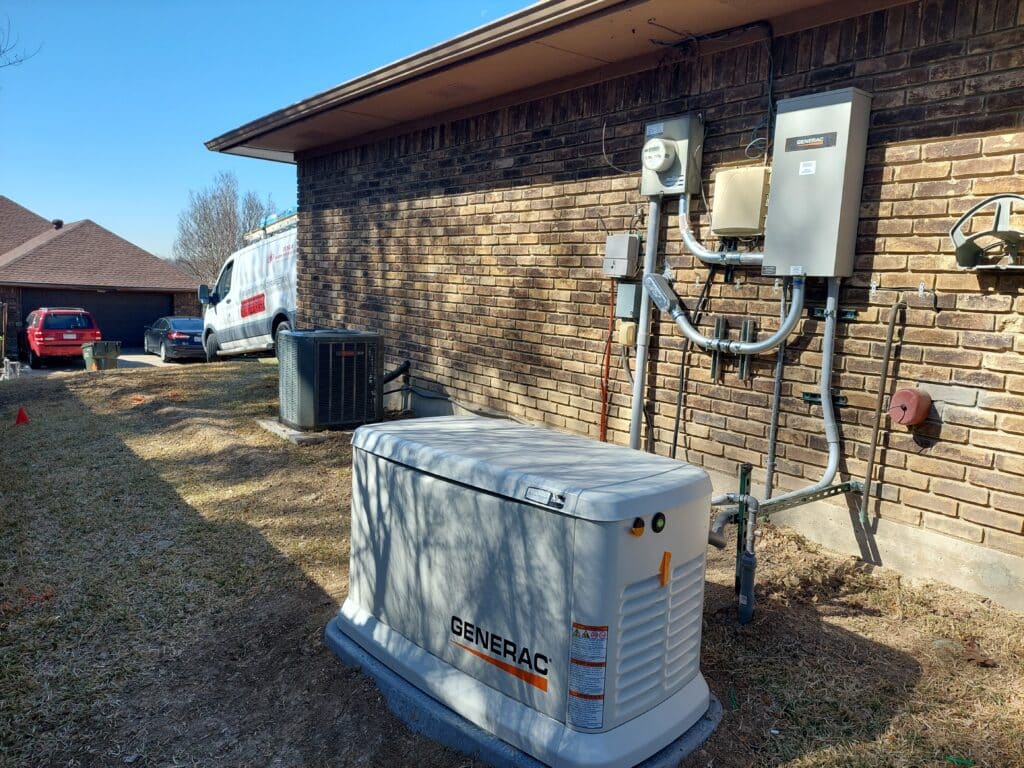
Choosing the right backup power solution depends on your specific needs. There are several options available to keep your property powered during an outage. Standby generators provide automatic backup power for your entire home or business. They’re a reliable choice since they kick in automatically when the power goes out. Portable generators are another option, providing flexibility and mobility. They require manual setup but can be used in different locations. Uninterruptible Power Supplies (UPS) are ideal for protecting sensitive equipment like computers and networking gear, as they provide instant power during short outages.
Key Components of a Power Plan
A well-rounded power plan includes several critical components. First, assess your power needs: determine which appliances and systems are essential during an outage. Next, select the right generator, considering fuel type and capacity. An automatic transfer switch is essential, as it seamlessly switches your power source during an outage. Don’t forget surge protection to guard against power spikes. Lastly, regular maintenance ensures your system is always ready when you need it. By understanding these components and their importance, you can build a robust plan that meets your specific needs.
Choosing the Right Backup System
Now that you understand the essentials, let’s explore how to choose the right backup system tailored to your property.
Assessing Your Power Needs
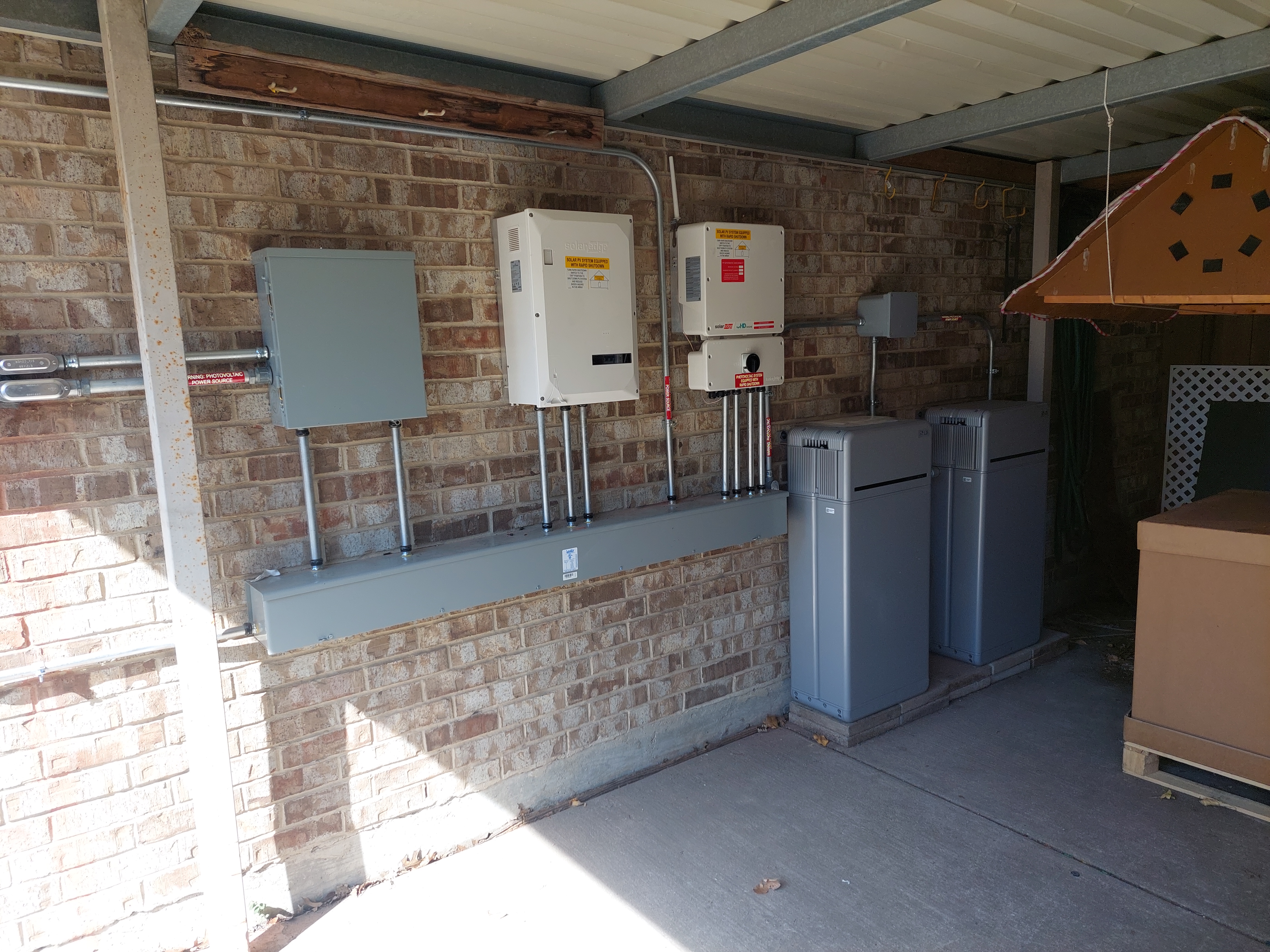
Knowing your power needs is the first step in selecting the right backup system. Start by listing essential devices and systems. Consider your refrigerator, heating and cooling systems, and home security. Calculating the total wattage these systems require will help you choose an appropriate generator. You might be surprised at how much power you actually need, which is why a thorough assessment is crucial. Consulting with a load calculation electrician can ensure accuracy in your assessment.
Generator Options and Installations
Generators come in various types, each suitable for different needs. A standby generator is a common choice for homes and businesses, providing seamless power during outages. These are permanently installed and offer automatic operation, which is perfect for those who need a hands-off solution. On the other hand, portable generators can be a cost-effective choice for those who need flexibility. They require manual setup and operation but are versatile. Working with a professional for generator installation in Plano ensures proper setup and connection to your home’s electrical system.
Importance of Transfer Switches
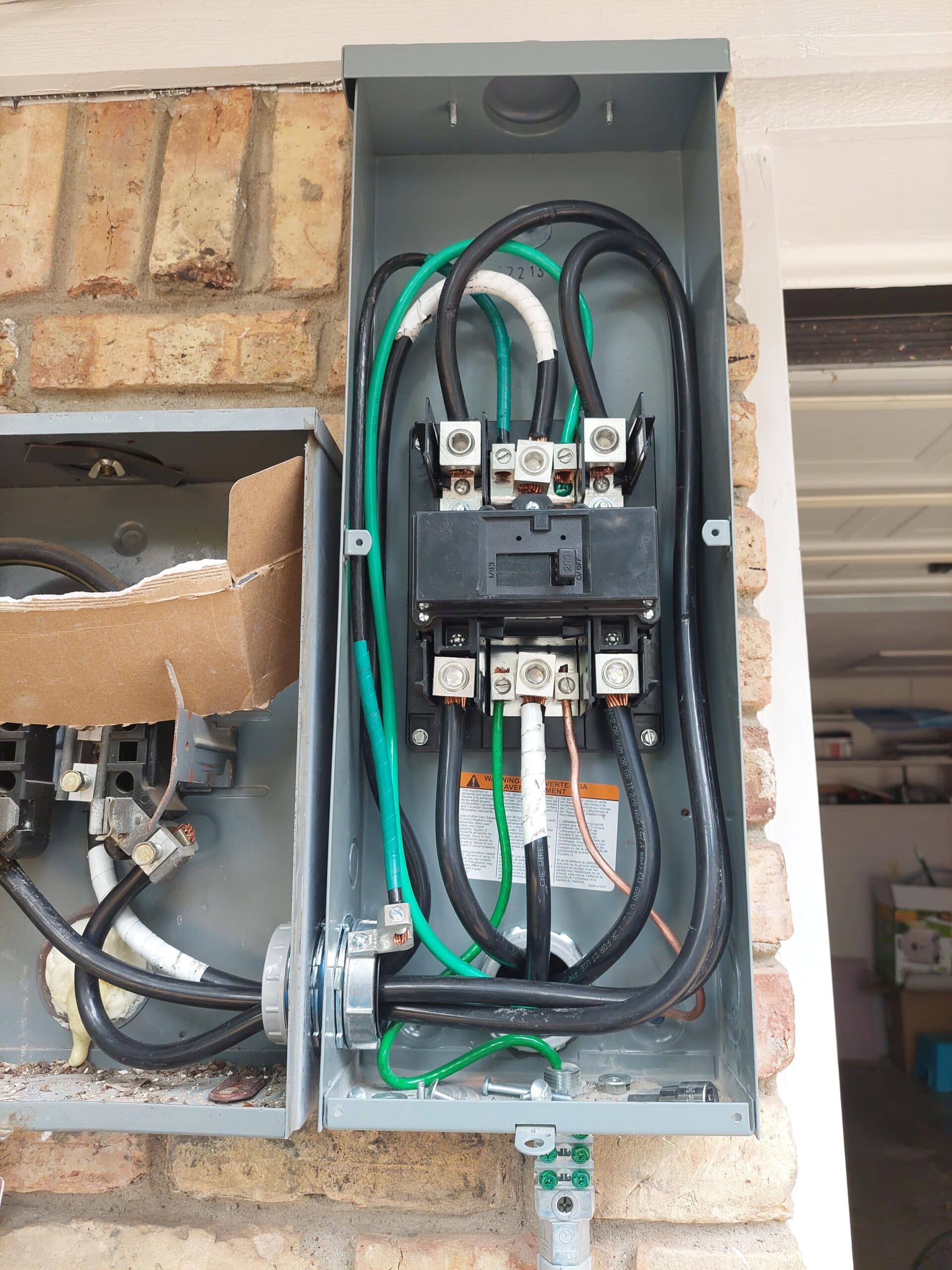
A transfer switch is a vital component of any backup power system. Without it, you would need to manually start your generator and switch over circuits, which can be cumbersome and unsafe. An automatic transfer switch eliminates this hassle, automatically switching power sources when an outage occurs. This ensures a smooth transition to generator power, protecting your appliances and electronics from voltage spikes. Consider it as the brain of your backup system, making sure everything runs seamlessly when you need it most.
Maintaining Your Backup Power System
Choosing the right system is just the beginning. Keeping it in top shape is equally important for reliability.
Regular Generator Maintenance Tips
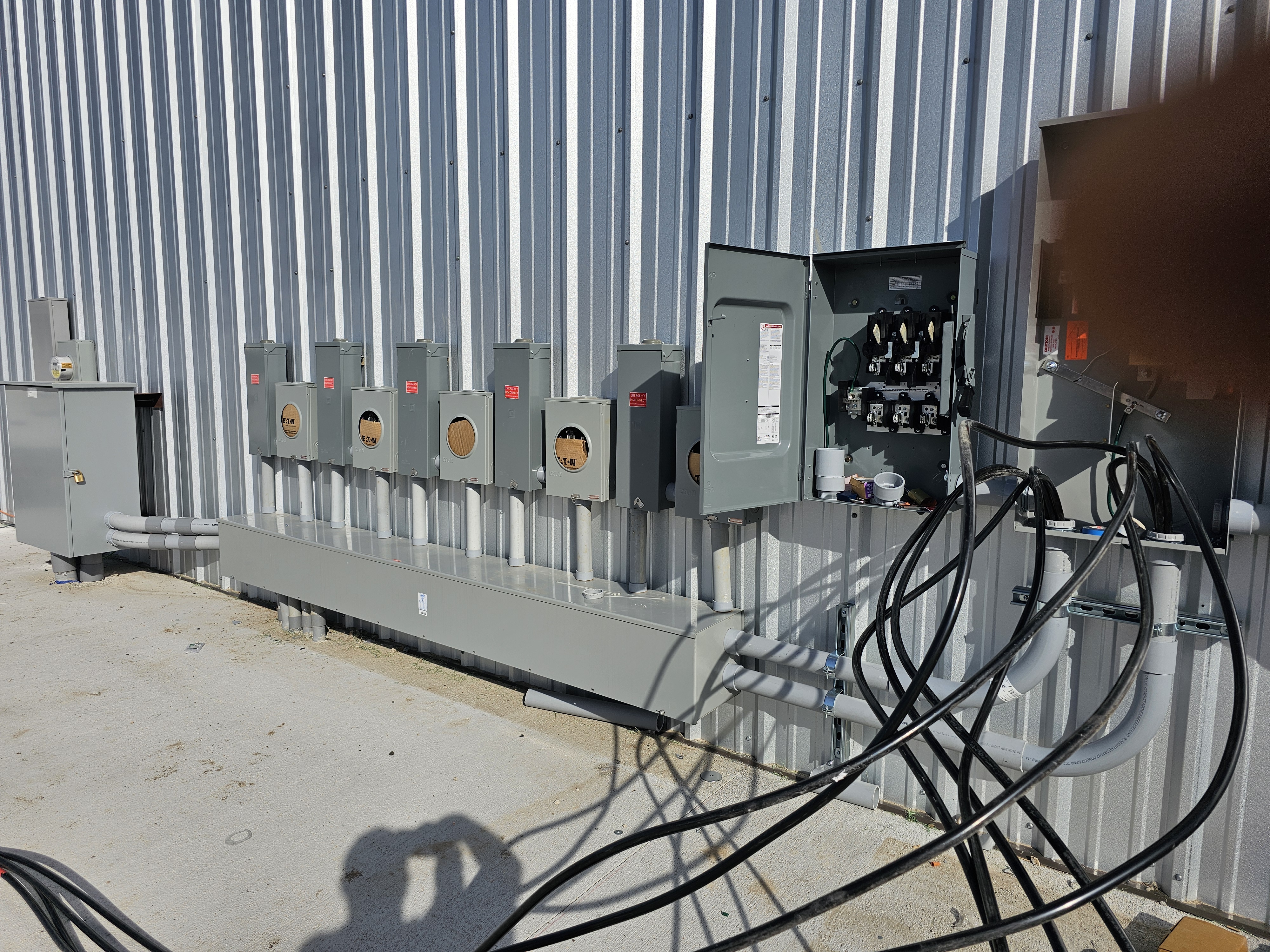
Regular maintenance is crucial for ensuring your generator is ready to go during an outage. Start by checking the oil and coolant levels frequently. This simple step can prevent major engine issues down the line. Testing your generator monthly ensures it’s functioning correctly. Replace air filters annually, and inspect fuel lines for wear. Scheduling an annual inspection with a professional, like the experts at Tesla Alarm and Electrical, can catch potential issues early and keep your generator running smoothly.
Ensuring Surge Protection and UPS Readiness
Surge protection is a must for any backup power system. It shields your appliances from power spikes that can cause significant damage. Installing surge protectors at key points in your electrical system provides a layer of defense against these spikes. Additionally, ensure your Uninterruptible Power Supply (UPS) is functioning properly. A UPS provides immediate power to critical devices during a power outage, giving you time to safely shut down or switch to generator power. Regular testing of your UPS ensures it’s ready to protect your equipment when needed.
Preparing for ERCOT Outages
With ERCOT managing the Texas power grid, being prepared for outages is essential. Keep informed about potential power issues by monitoring ERCOT announcements. Having a well-maintained backup system is your best defense against unexpected outages. Create a checklist that includes testing your generator, checking fuel levels, and ensuring all components of your backup system are operational. Staying proactive keeps you one step ahead and ensures your home or business remains powered during grid disturbances.
Frequently Asked Questions
What size generator do I need for my home?
The size of the generator you need depends on the total wattage of the devices you want to power. A licensed electrician can help you calculate this accurately.
How often should I perform generator maintenance?
Routine checks, like oil and coolant level inspections, should be done monthly. A full professional maintenance service is recommended annually.
Why is a transfer switch important?
A transfer switch enables a safe and automatic transition from grid power to generator power, protecting your home and appliances from power surges.
Can I install a generator myself?
Professional installation is recommended to ensure safe and proper connection to your home’s electrical system. This helps prevent potential hazards and ensures efficient operation.
What is surge protection and why do I need it?
Surge protection guards your appliances against voltage spikes that can occur during power transitions or storms, preventing damage and extending appliance life.