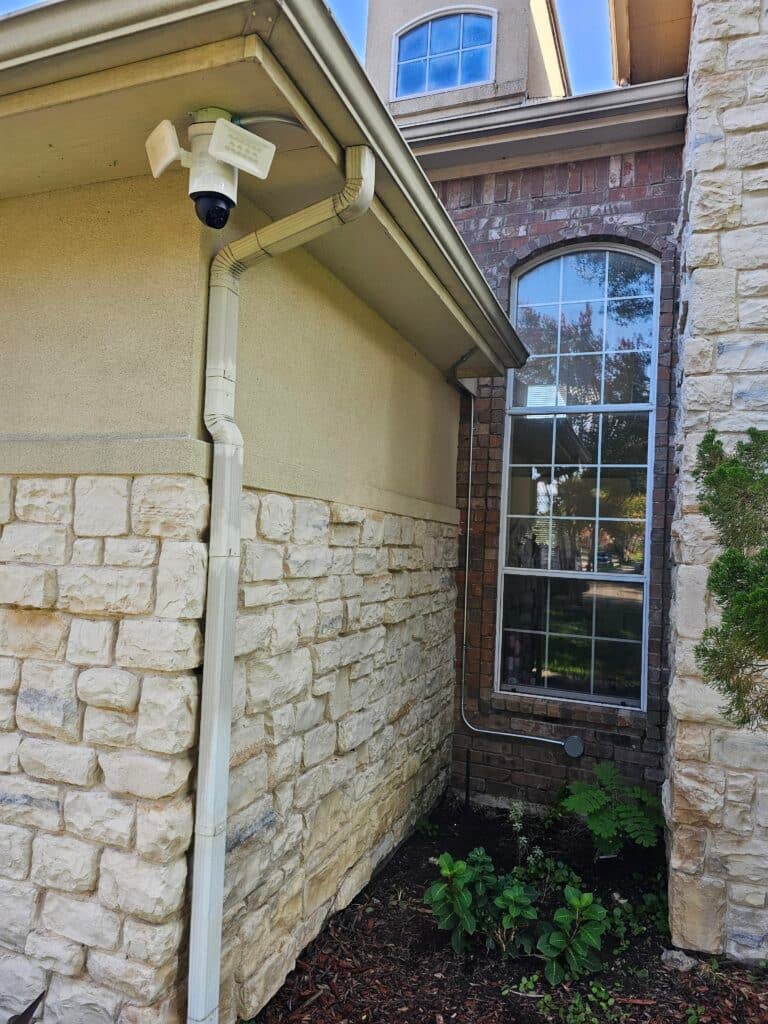
Most property owners in Plano think adding security cameras to an existing building is straightforward. The truth is, retrofitting cameras on an occupied or older property comes with hidden challenges—from wiring constraints to legal rules that can trip you up. This checklist walks you through key technical, legal, and budgeting points to avoid costly mistakes before your Dallas CCTV retrofit begins. For more information, you can refer to this guide.
Technical Considerations for Camera Retrofits
Understanding the technical needs of a camera retrofit helps you avoid common pitfalls. Let’s dive into the essential elements to ensure your installation runs smoothly.
Power and Network Requirements
To keep your cameras running, you’ll need reliable power and network connections. Start by assessing if your property can accommodate the electrical needs and bandwidth demands.
Cameras often require dedicated power outlets. Consider using Power over Ethernet (PoE) to simplify wiring, as it allows both power and data to flow through a single cable. This setup reduces clutter and enhances camera placement flexibility. For more details on PoE camera wiring, check out this resource.
Next, examine your network capacity. Cameras with higher resolutions, like 4K security cameras, use more bandwidth. Ensure your network can handle the additional load without slowing down other devices. Investing in quality network switches or PoE injectors can improve performance.
Choosing the Right Camera Features
Selecting the best features for your setup helps meet your security needs. Start by thinking about the environment where you’ll place the cameras.
For outdoor use, choose cameras with weatherproof ratings like IP66 or IP67 to withstand harsh conditions. If vandalism is a concern, consider IK10-rated dome cameras. These offer extra protection against tampering.
Pay attention to the camera’s capabilities. Night vision and lighting features ensure clear images in low light. If you need to capture details like license plates, go for cameras with LPR capabilities. For more tips on feature selection, check out this guide.
Installation Challenges in Older Buildings
Retrofitting cameras into older buildings presents unique challenges. You may face limitations in wiring paths and mounting options.
Older structures often have outdated electrical systems. It’s crucial to ensure these systems can support modern camera tech without posing safety risks. Hiring a professional to assess and upgrade wiring if necessary is wise.
Mounting cameras securely can also be tricky. The building materials and architecture may require specialized equipment for installation. Collaborate with experts familiar with older properties to overcome these obstacles.
Legal and Compliance Factors
Ignoring legal requirements can lead to costly fines and issues. Let’s explore the rules that keep your installation compliant.
Texas Video Privacy Laws
Understanding state-specific laws prevents legal troubles. In Texas, video surveillance must respect privacy rights.
You can’t place cameras in areas where individuals expect privacy, such as bathrooms or locker rooms. Make sure to inform people that they’re being recorded, especially if your cameras capture shared spaces. This transparency is not only ethical but also legally required.
HOA Camera Rules
Homeowners Associations (HOAs) often have rules about camera installations. These regulations vary widely, so check your HOA’s guidelines before proceeding.
Common restrictions include camera placement and appearance. Some HOAs might demand that cameras blend with the property’s exterior or limit coverage to certain areas. Complying with these rules prevents conflicts with your community.
Data Retention Policy
Decide how long to keep footage. A clear data retention policy ensures you comply with privacy laws and manage storage efficiently.
Determine the necessary retention period based on your needs and legal obligations. Storing footage for too long can lead to privacy concerns and increased storage costs. Regularly review and update your policy to stay compliant.
Budgeting and Planning Your Retrofit
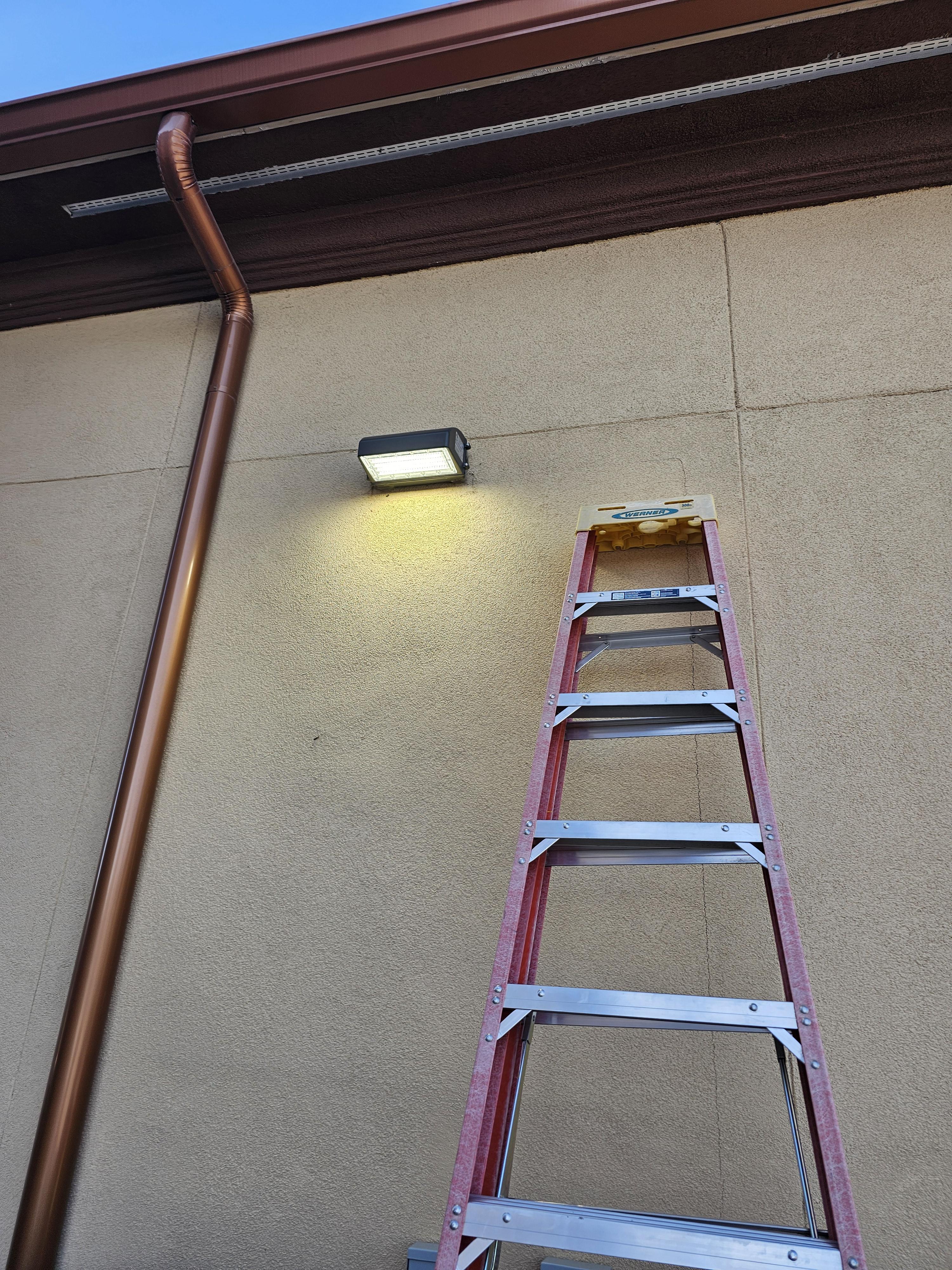
A well-thought-out budget ensures your project stays on track. Here’s how to plan your financials effectively.
Estimating Costs and ROI
Start by estimating the total costs of your retrofit. Consider equipment, installation, and potential upgrades to existing infrastructure.
Investing in quality components might require a higher upfront cost but can lead to long-term savings. A reliable setup reduces maintenance needs and enhances security, offering a better return on investment.
Selecting the Right Professional Services
Choosing the right professionals ensures a smooth installation. Look for experts with experience in retrofitting older buildings and knowledge of local regulations.
Working with licensed and insured professionals not only guarantees quality but also provides peace of mind. They can offer valuable insights and avoid common pitfalls that could lead to increased costs.
Available Discounts and Offers
Take advantage of discounts and offers to reduce costs. Many providers offer seasonal promotions or bulk purchase deals.
Look for packages that bundle equipment and installation services at a reduced rate. These deals often provide the best value, ensuring you get quality equipment without overspending.
Frequently Asked Questions
How do I decide between wired and wireless cameras?
Wired cameras provide stable connections and are ideal for larger properties. Wireless cameras offer flexibility and easier installation. Consider your property’s layout and network capabilities when choosing.
What should I do if my building’s wiring is outdated?
Hire a professional to assess and upgrade your wiring. They can ensure your electrical system supports modern camera technology safely.
How long should I keep surveillance footage?
The retention period varies based on legal requirements and your specific needs. Typically, footage is kept for 30-90 days. Regularly review your policy to ensure compliance.
What features are essential for outdoor cameras?
Weatherproofing (IP66 or IP67 ratings), night vision, and vandal-resistant designs are crucial for outdoor cameras to withstand environmental challenges and potential tampering.
Can I install cameras myself, or should I hire a professional?
While DIY installation is possible, hiring a professional ensures compliance with legal requirements and avoids technical challenges, particularly in older buildings.