Most homes and businesses aren’t built to handle the extra strain of a Level 2 home charger without some prep work. Adding a 240V circuit for EV charging can push your electrical system past its limits if you don’t plan carefully. In this guide, you’ll learn how to perform an electrical load calculation, when a service panel upgrade is necessary, and how to keep everything NEC 625 compliant—so your EV charger installation in Plano goes smoothly and safely. For a deeper understanding of avoiding electrical overload during EV charger installation, you can explore this comprehensive guide.
Preparing Your Property for EV Charging
Understanding Electrical Load Calculations
Knowing how much electricity you use is vital when adding an EV charger. Start by tracking your daily use. This helps you see if your current system can handle the new load. Most homes and businesses need this step to avoid problems. Using a simple calculator or an online tool can show your total electrical load. This number tells you if a new circuit or panel upgrade is needed. Accurate calculations prevent overloads, ensuring safe and smooth charging.
Assessing Panel Capacity and Upgrades
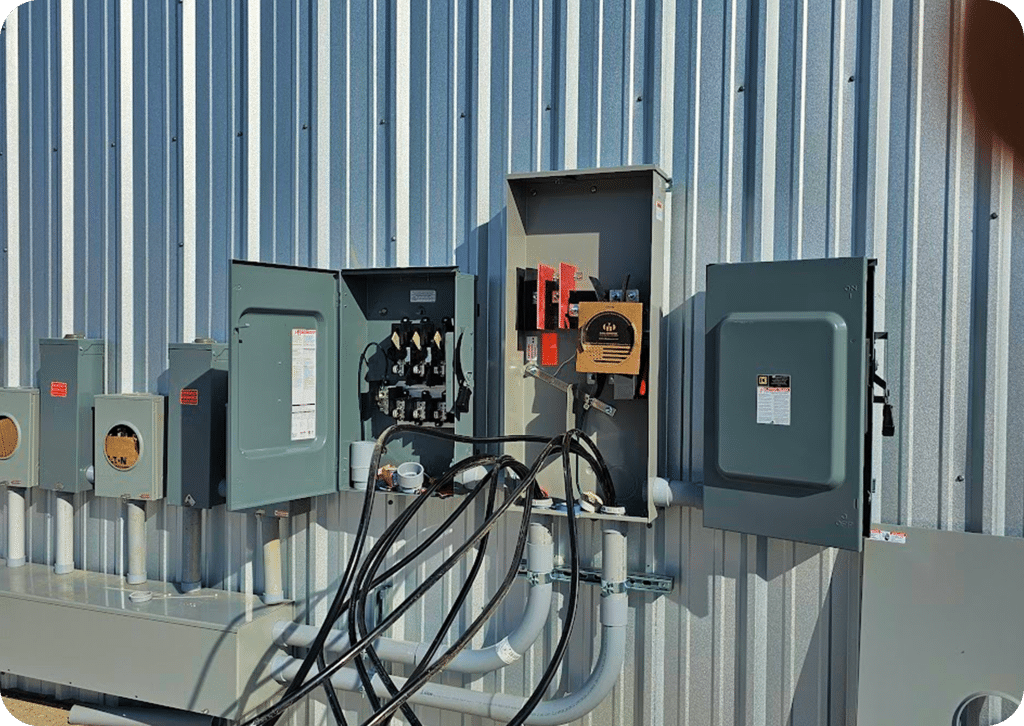
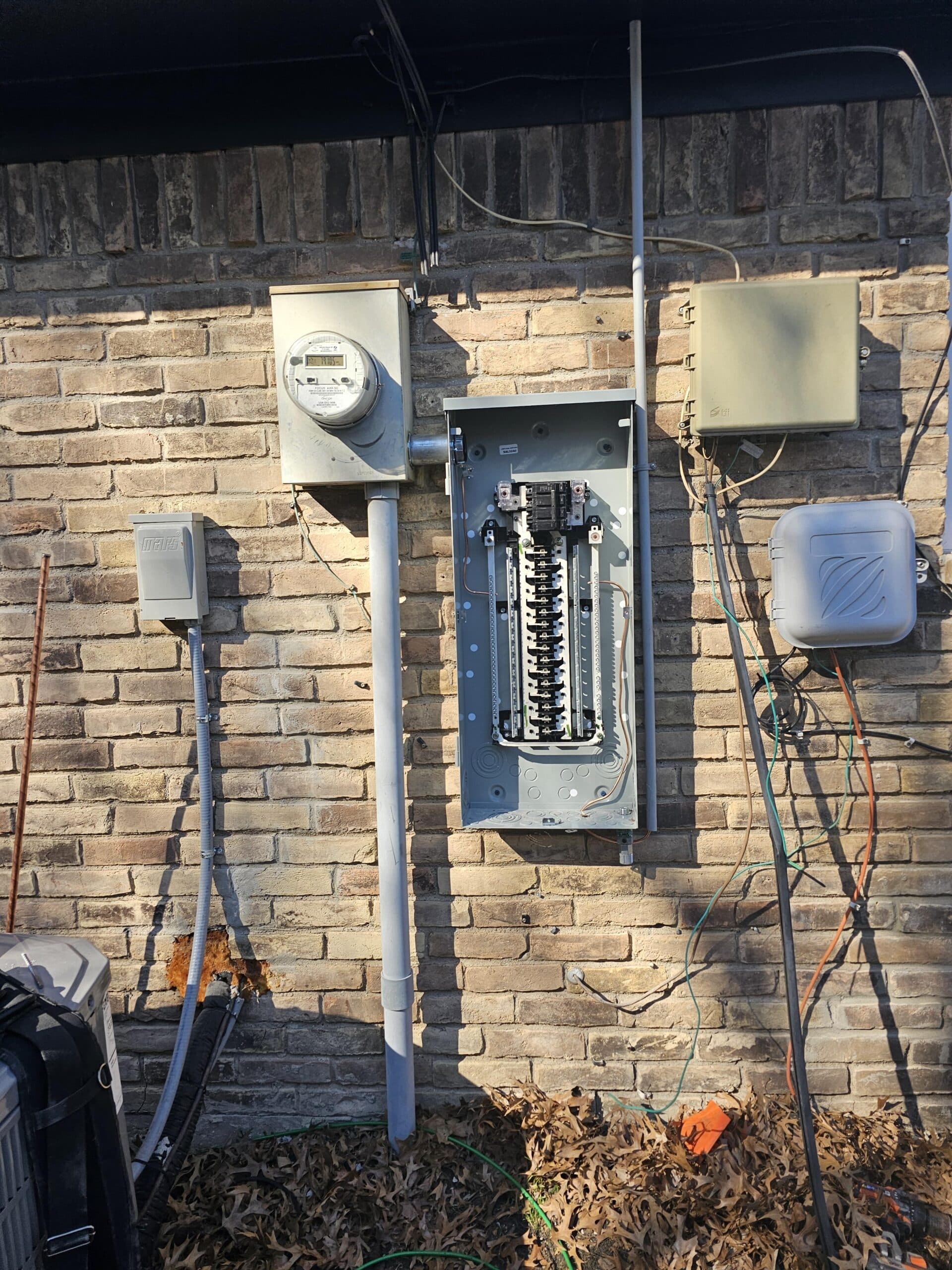
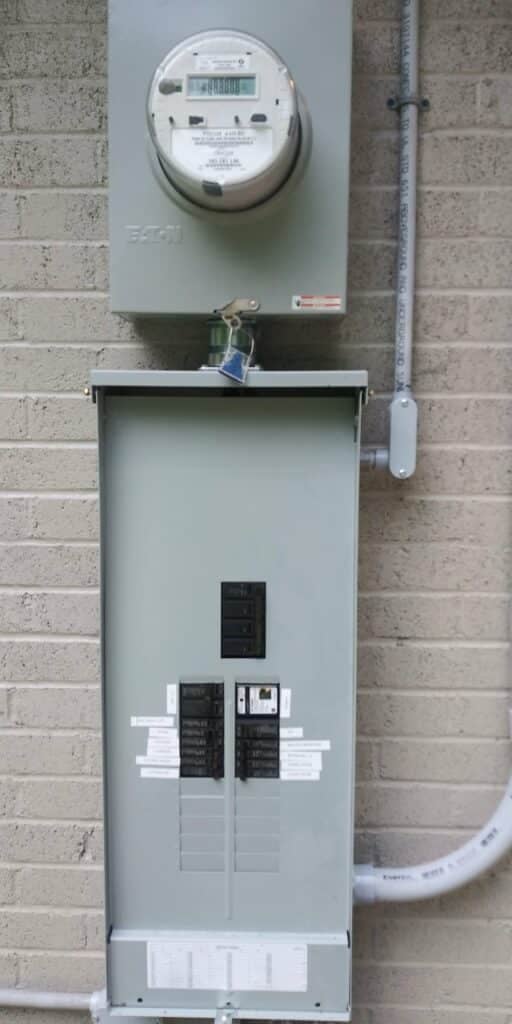
Your service panel is the heart of your electrical system. It distributes power throughout your property. Many older panels might not handle the extra load from an EV charger. Check your panel’s age and capacity. Panels over 20 years old often need upgrades. Frequent breaker trips or flickering lights are signs you need a change. Upgrading your panel can prevent fires and ensure your system supports modern demands. Consulting a professional provides peace of mind.
Navigating Plano Electrical Permits
In Plano, permits ensure safety and compliance. Installing an EV charger usually requires one. This process might seem daunting, but it’s crucial for safety. Permits confirm that installations meet local codes. They’re also needed when upgrading panels. Getting a permit avoids fines and keeps your project on track. Contact your local city office for permit information. An experienced electrician can guide you through this process, making it stress-free.
Installing Your Level 2 Charger Safely
Wiring and 240V Circuit Essentials
Having the right wiring is key for safe EV charging. A 240V circuit is often necessary for a Level 2 charger. This circuit needs to handle high power levels. Incorrect wiring can cause hazards like short circuits. Ensure that cables are the right size and type. This prevents overheating and electrical issues. Hiring a licensed electrician ensures that installations meet standards. They can also address any existing wiring problems.
Smart Load Management Strategies
Balancing power use is smart and safe. Smart load management helps distribute electricity efficiently. It prevents overloads and reduces energy costs. Systems like smart panels monitor usage and adjust distribution. They ensure your EV charger doesn’t strain your system. This technology protects your home and wallet. Investing in smart load management is wise for long-term savings and safety.
Conduit and Outdoor Installation Tips
Outdoor charging setups need special care. Conduits protect wires from elements. They ensure connections stay dry and safe. Choosing weather-resistant materials is vital. Proper installation prevents damage and hazards. Position chargers in accessible yet safe locations. Secure mounts and covered outlets enhance safety. Regular maintenance checks ensure everything functions properly. These steps keep your setup reliable and durable.
Choosing the Right Installation Partner
Importance of NEC 625 Compliance
Compliance with standards ensures safety and legality. NEC 625 outlines rules for EV charger installations. Following these guidelines prevents accidents and legal issues. It ensures chargers work efficiently and safely. Certified electricians understand these codes. They ensure installations meet all requirements. Choosing a compliant installation partner offers peace of mind and protects your investment.
Tesla Wall Connector Installation in Plano
Tesla Wall Connectors need proper setup. They offer fast, convenient charging. This option suits Tesla owners in Plano. Installing one requires understanding specific needs. Compatibility with your home system is crucial. A professional ensures everything is set correctly. This guarantees optimal performance and safety. Choosing an expert for Tesla installations ensures seamless operation.
Scheduling a Site Walk with Tesla Alarm and Electrical
A site walk identifies potential issues before installation. It helps assess your property’s readiness for an EV charger. Tesla Alarm and Electrical offer this service. They evaluate your system and recommend upgrades if needed. This step ensures a smooth and safe installation. Scheduling a site walk prevents surprises and delays. Their expertise ensures your system is ready for new demands.
Frequently Asked Questions
What is a service panel upgrade?
A service panel upgrade involves replacing an old or inadequate electrical panel with a new one. This increases your system’s capacity to handle more power, accommodating modern electrical demands and preventing overloads.
Do I need a permit for installing an EV charger in Plano?
Yes, installing an EV charger in Plano generally requires a permit. This ensures the installation meets local safety codes and standards. It’s advisable to consult with your local city office or a licensed electrician.
How can smart load management help with EV charging?
Smart load management distributes electricity efficiently, preventing overloads. It adjusts power distribution based on usage, ensuring your EV charger doesn’t strain your electrical system, leading to cost savings and enhanced safety.
Why is NEC 625 compliance important for EV charger installation?
NEC 625 compliance ensures that EV charger installations meet national safety standards. This reduces risks of electrical failures and legal issues, ensuring efficient and safe operation of your charging system.
What should I consider for outdoor EV charger installation?
For outdoor installations, use weather-resistant materials and conduits to protect wiring. Position chargers in safe, accessible locations, and ensure regular maintenance checks to prevent damage and ensure reliable operation.