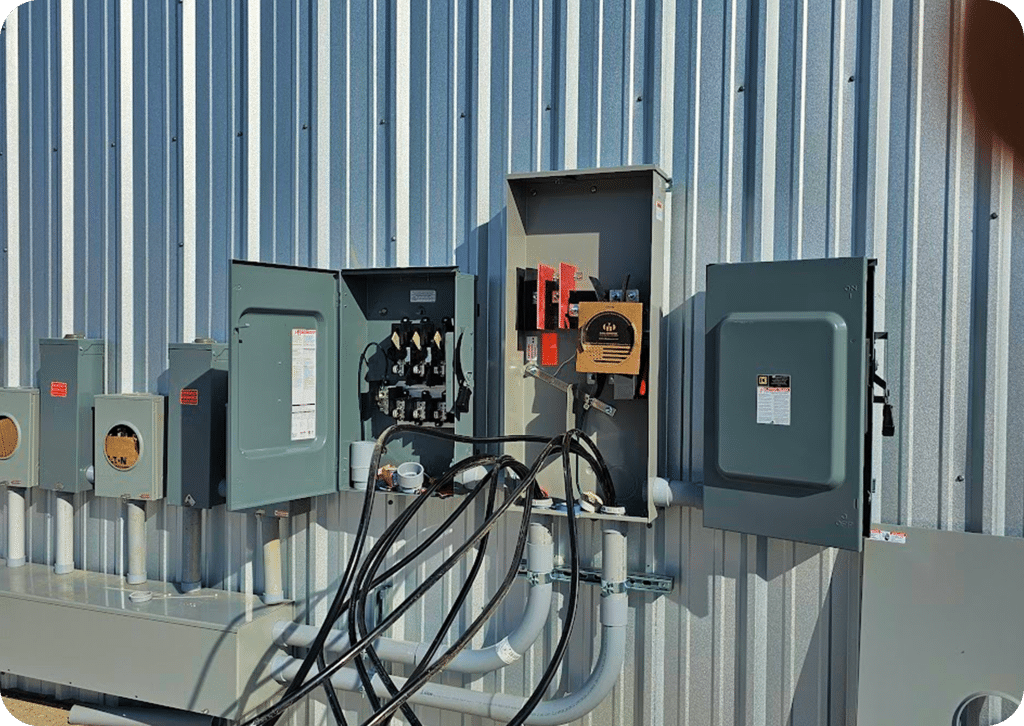
When summer hits Plano, power dips catch many off guard. Your electrical system faces heavier loads, and hidden weak points can turn minor brownouts into full outages. Recognizing these trouble spots early, before the heat peaks, saves you downtime and costly repairs. This guide from your Plano electrician breaks down how to spot risks and keep your home or business powered through the hottest months. Learn more about preventing outages here.
Identifying Electrical Weak Points
Knowing where your system might fail can save you from unexpected outages. Let’s explore how to spot these risks.
Signs of Power Dip Risks
Power dips often come with warning signs. Flickering lights and frequent breaker trips might seem like minor issues, but they could signal bigger problems. If your appliances suddenly lose power or dim, it’s a clue that your system is under strain. Don’t ignore these signs; they are your early warning system.
You might also notice strange odors or hear buzzing sounds from your outlets. These could indicate overheating wires or faulty connections. Addressing these issues early can prevent more serious problems down the line. Remember, small signs can lead to big issues if left unchecked.
Inspecting Electrical Panels
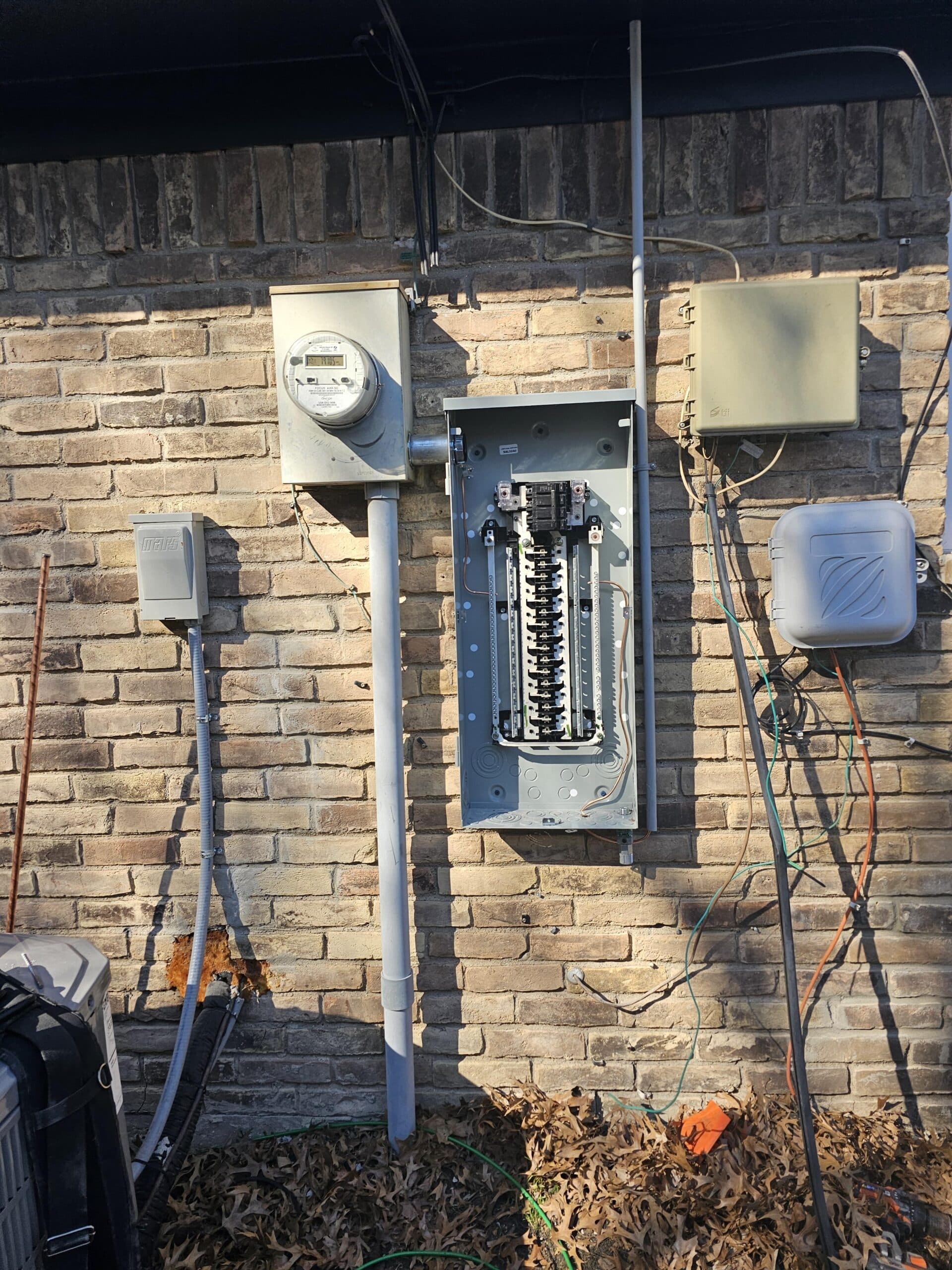
Your electrical panel is the heart of your system. Regular inspections are crucial. Look for signs of wear: rust, corrosion, and discoloration can indicate moisture damage or overheating. Panels over 20 years old might not handle modern electrical loads well.
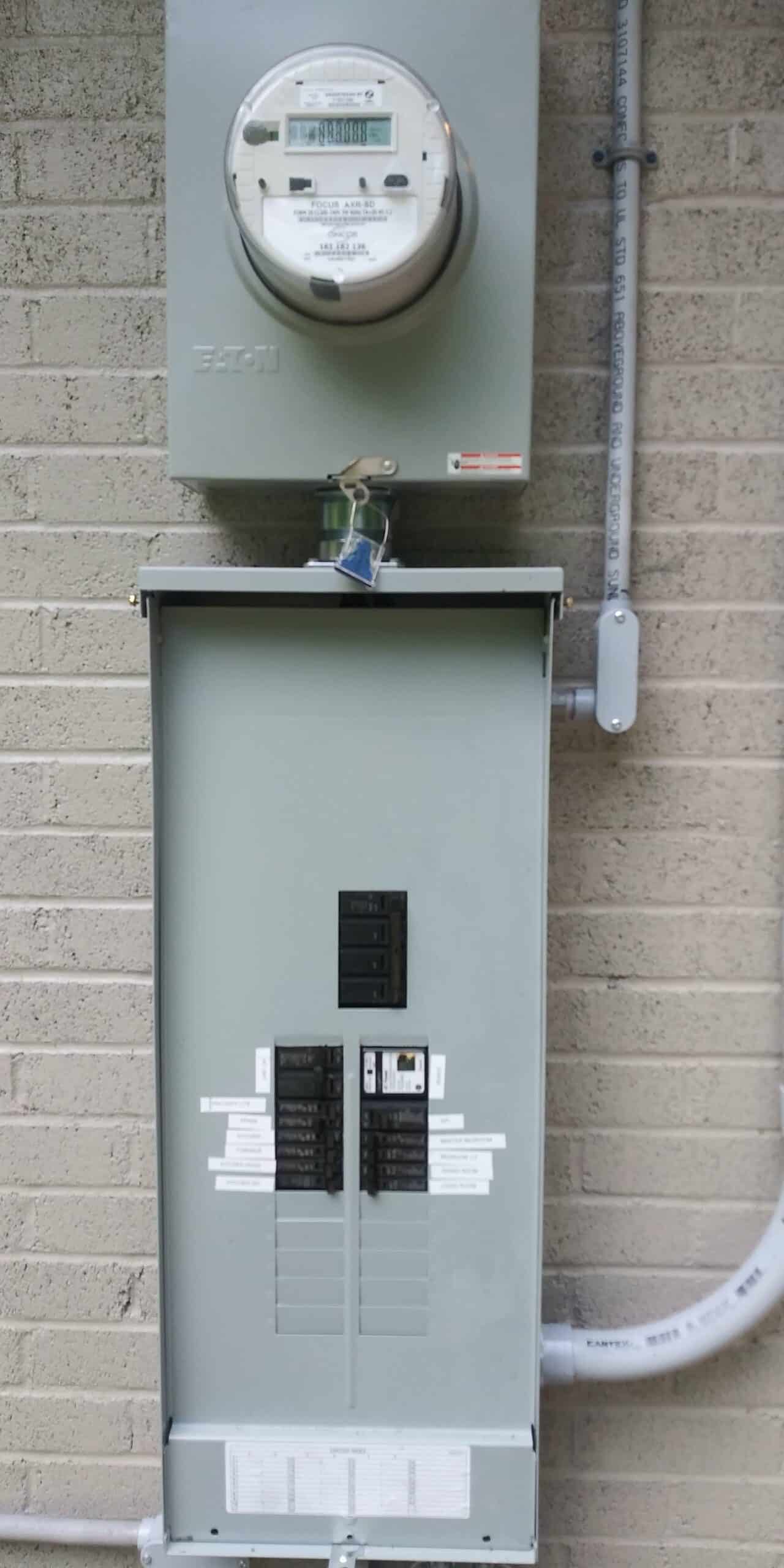
Checking the panel’s labels can also reveal potential issues. If circuits are unlabeled or mislabeled, it might be time for a professional inspection. Proper labeling ensures that circuits match their intended load, which is key for safety.
Understanding Breaker Tripping
Breaker tripping isn’t just an inconvenience; it’s a safety feature. When a breaker trips often, it’s telling you something isn’t right. It could be an overloaded circuit, faulty appliance, or even a short circuit. Frequent trips mean it’s time to investigate.
A continuously tripping breaker shouldn’t be ignored. It prevents overheating and potential fires. Addressing the root cause can save you from future headaches and ensure your system operates safely.
Preventive Measures for Summer Brownouts
Once you identify risks, the next step is prevention. Let’s look at some effective strategies.
Benefits of Infrared Thermal Imaging
Infrared thermal imaging detects hot spots before they become problems. This technology is like having x-ray vision for your electrical system. It highlights areas of high heat, indicating potential failures.
Using thermal imaging, you can spot loose connections and overloaded circuits. This proactive approach allows for repairs before issues escalate. By catching problems early, you maintain system integrity and prevent costly outages.
Conducting Voltage Drop Testing
Voltage drop testing ensures your system delivers consistent power. This test identifies if your wiring can handle current demands. If voltage drops are significant, it could mean your wires are too thin or connections are loose.
Regular voltage drop tests help maintain efficiency. They ensure your appliances receive the right power levels, preventing wear and reducing energy costs. Keeping your system tuned prevents unexpected shutdowns.
Importance of Grounding and Bonding
Proper grounding and bonding protect your home from electrical faults. Grounding provides a safe path for electricity to follow during a fault, while bonding ensures all metallic parts are at the same electrical potential.
Improper grounding can lead to electric shocks or fire hazards. Regular checks ensure your system meets safety standards. Grounding and bonding are vital for keeping your system safe and reliable.
Enhancing Power Reliability
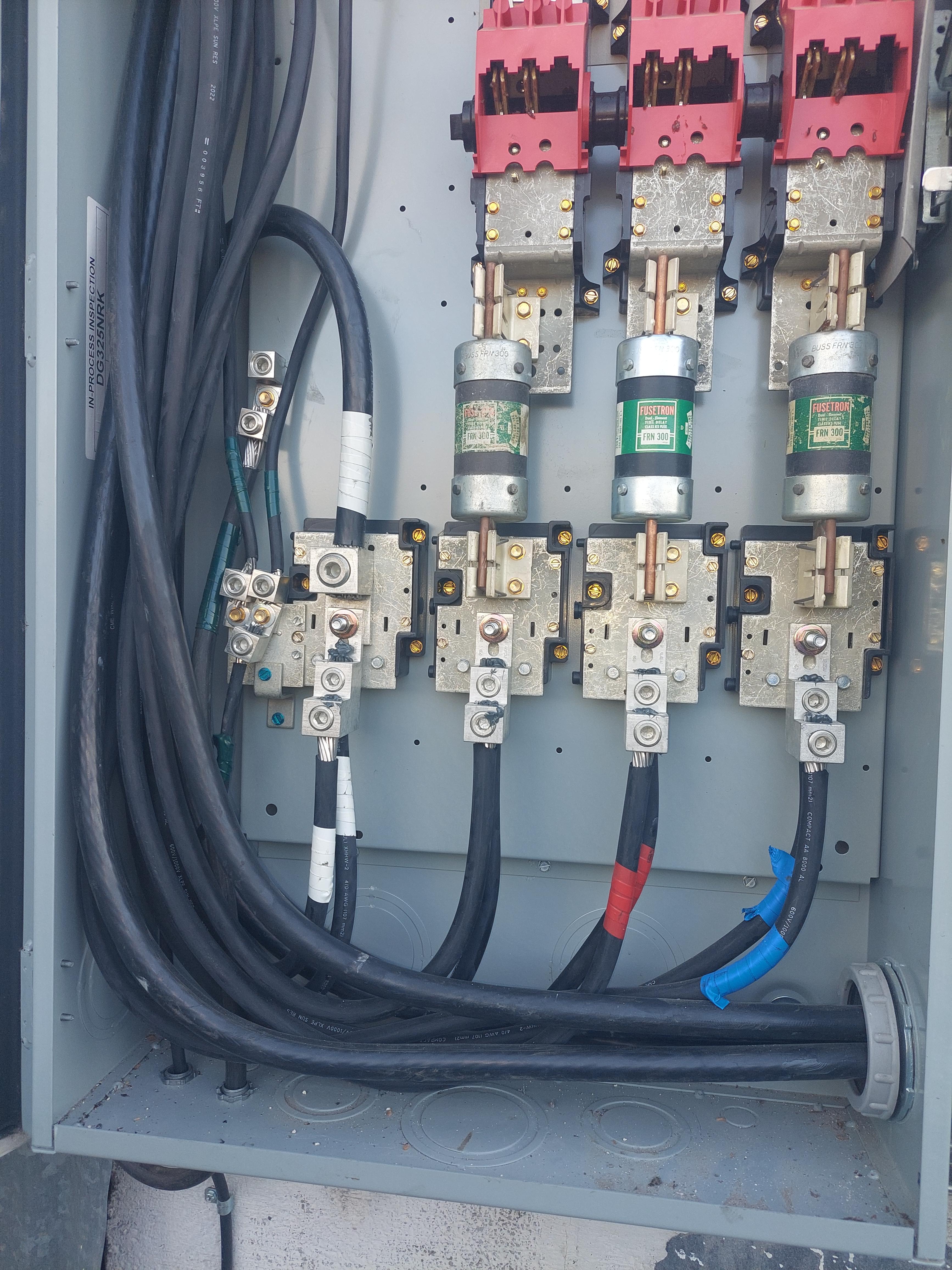
Boosting reliability ensures your system withstands summer stress. Let’s explore how to keep your power flowing.
Role of Whole-Home Surge Protectors
Whole-home surge protectors shield your appliances from voltage spikes. These spikes can occur during storms or when high-demand devices switch on. Surge protectors absorb excess voltage, protecting your equipment.
Installing surge protectors is a smart investment. They extend the life of your appliances and reduce repair costs. By safeguarding your home, you prevent damage from unforeseen surges.
UPS for Security Systems
Uninterruptible Power Supplies (UPS) keep your security systems running during outages. They provide temporary power, ensuring cameras and alarms stay active. This continuity is crucial for home security.
A UPS is your safety net during power failures. It allows you time to safely shut down systems or power up alternative sources. Ensuring your security doesn’t falter during outages gives you peace of mind.
Generator Installation Benefits
Generators offer a reliable backup power source. They keep essential systems running during prolonged outages. From keeping your fridge cool to powering your HVAC, generators are a valuable addition.
Installing a generator means you won’t be left in the dark. It provides independence from grid failures and ensures comfort during extreme weather. Consider a generator as a shield against power interruptions.
Frequently Asked Questions
What are the signs of failing electrical systems?
Common signs include flickering lights, frequent breaker trips, and buzzing sounds. Addressing these issues early can prevent major failures.
How does infrared thermal imaging help?
Thermal imaging detects heat spots, indicating potential electrical failures. It allows for early intervention, preventing costly repairs.
Why is grounding important?
Proper grounding ensures safety by providing a safe path for electricity during faults. It prevents electric shocks and reduces fire risks.
How do surge protectors work?
Surge protectors absorb excess voltage during spikes, protecting appliances from damage and extending their lifespan.
What are the benefits of having a generator?
Generators provide backup power during outages, ensuring essential systems like fridges and HVAC stay operational.