Most homeowners in Plano and North Dallas don’t realize their existing electrical system might not handle a Level 2 EV charger without upgrades. Ignoring panel capacity or wiring routes can lead to costly delays and safety issues. This guide helps you check your setup and plan smart, so your EV charger installation goes smoothly from start to finish. For more information on electric vehicles, check out this resource.
Evaluating Electrical Capacity
When considering a Level 2 EV charger, the first step is assessing your current electrical system. Let’s explore how to ensure your setup is ready.
Checking Panel Compatibility
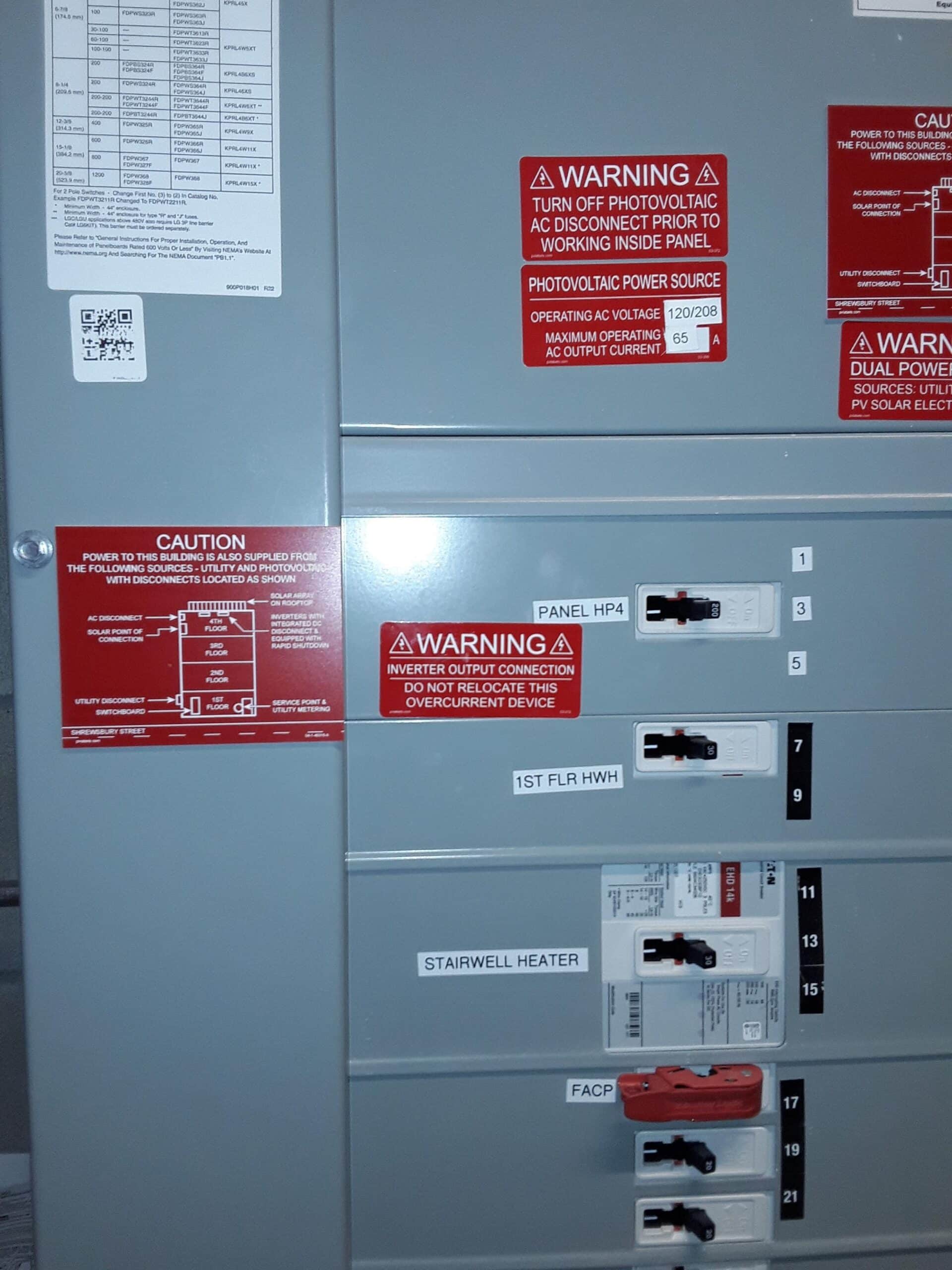
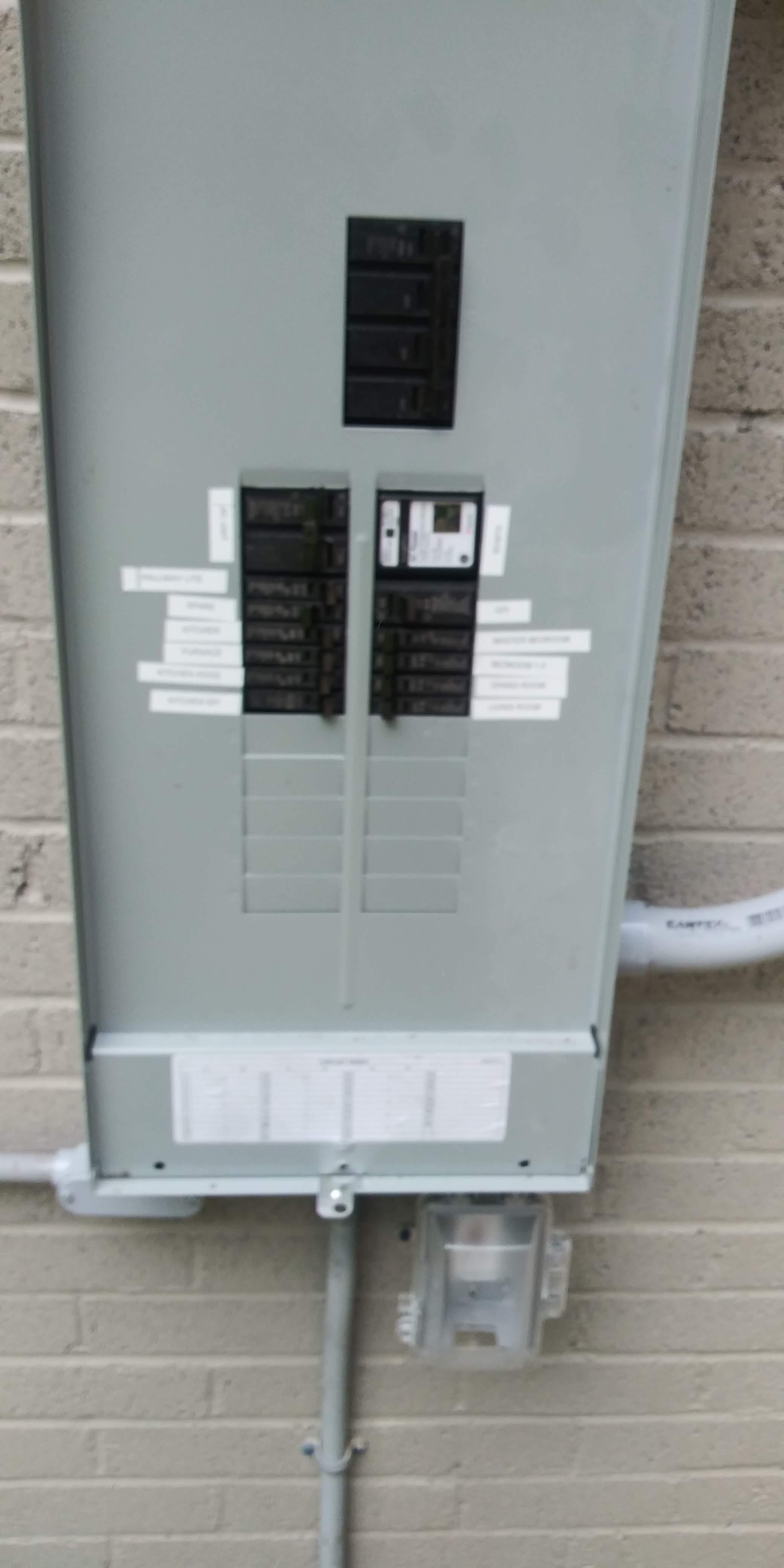
Your electrical panel is pivotal. It determines if your system can handle the additional load from a Level 2 charger. Start by checking the panel’s amperage. Most homes need a 200-amp panel to support the charger. If your panel is older or lower capacity, it might be time for an upgrade. Think of your panel like a traffic manager; if it’s outdated, it won’t handle the extra cars efficiently. Most people think their panel is ready, but it’s often not. Ensuring compatibility avoids unexpected shutdowns or electrical hazards, keeping your home safe.
Conducting NEC Load Calculation
A National Electrical Code (NEC) load calculation will clarify if your home’s existing electrical capacity can support new demands. This calculation considers all electrical appliances and systems in your home to prevent overloads. It’s not just about adding a charger; it’s about ensuring the entire system can handle it. Conducting this calculation requires reviewing your home’s total electrical load and assessing if an upgrade is necessary. Failing to do this might lead to frequent breaker trips or even fires, so it’s crucial to get it right.
Planning for Electrical Upgrades
If your panel needs an upgrade, planning is essential. Consider the costs and time involved in upgrading your electrical system. This isn’t just about swapping out parts; it’s about ensuring your home’s electrical backbone supports your EV charging needs. Evaluate your home’s future electrical demands. Will you add more appliances or systems? Planning these upgrades now prevents future headaches. It’s a bit like renovating a room before guests arrive—you want everything in top shape.
Code Compliance and Permits
Navigating the legal landscape is as crucial as the technical aspects when installing an EV charger. Here’s how to stay on track.
Understanding Local Requirements
Each city has specific regulations for electrical work. Plano and North Dallas have their own codes to follow. Knowing these rules helps you avoid fines and ensure your installation is safe and compliant. These codes exist for your protection. They ensure that installations don’t pose hazards. Researching local requirements before starting can save time and money—think of it as studying the rules before playing a game.
Navigating Permitting Process
Getting the right permits is vital. This process involves submitting plans and paying fees. It might seem tedious, but permits ensure your work meets safety standards. Permits also serve as proof that your installation follows legal guidelines, which can be crucial when selling your home. The permitting process is like a passport for your project—it confirms you’re allowed to proceed.
Importance of Safety Inspections
Safety inspections verify that your installation follows all codes. They catch potential problems early, preventing future issues. Inspections give you peace of mind knowing your system is safe and functional. Think of an inspection as a final check before a performance—ensuring everything is in perfect order. For a deeper dive into electric vehicles and their impact, visit Wikipedia.
Wiring Routes and Installation
Understanding wiring routes and installation options can streamline your EV charger setup. Here’s how to get it right.
Mapping Circuit Paths
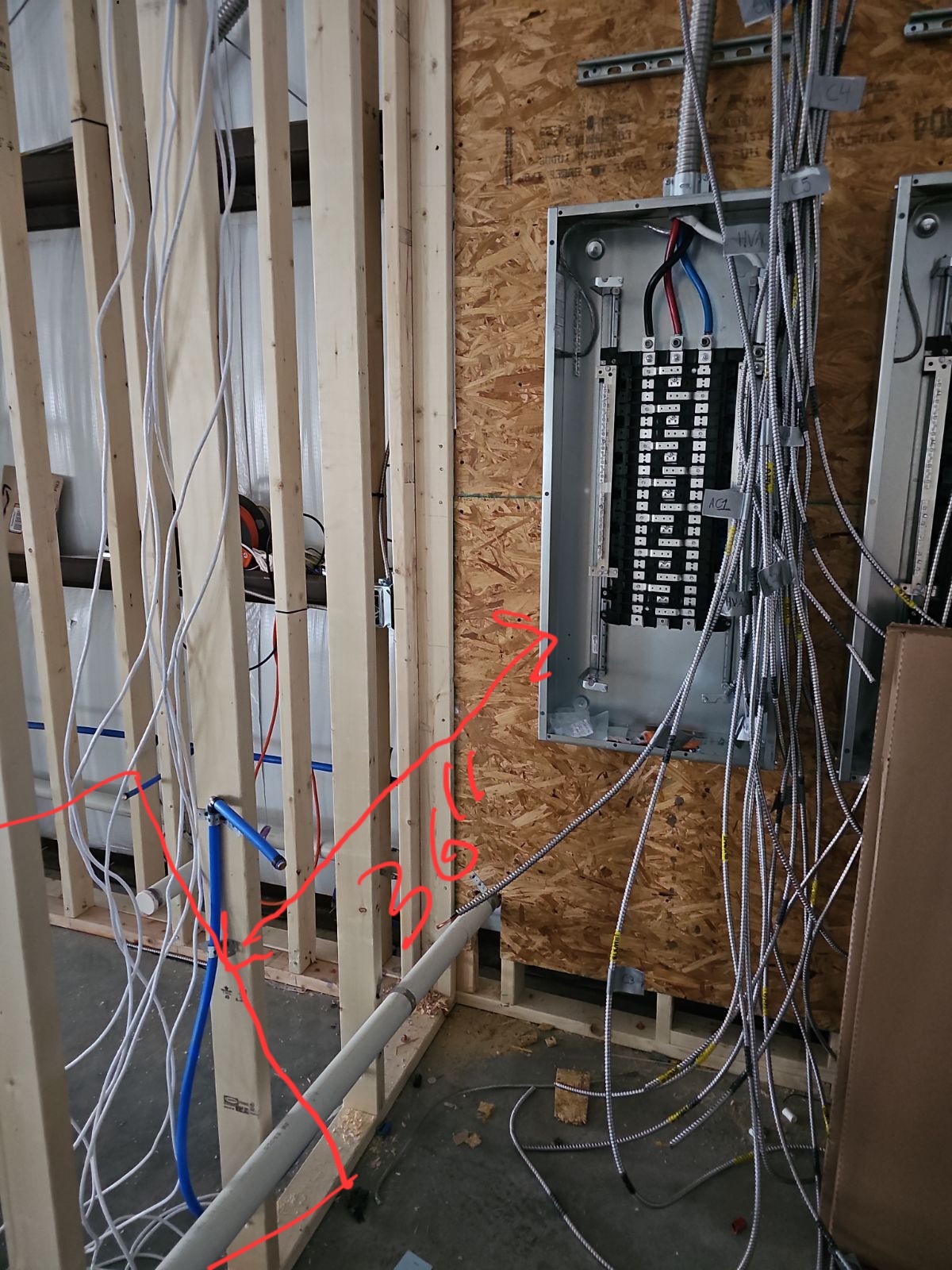
Plan the path from the panel to the charger location. This involves identifying the shortest, safest route for wiring. Proper mapping reduces the risk of electrical faults and ensures efficient operation. It’s like planning a road trip; you want the most direct route to save time and energy.
Choosing Between Hardwired and Receptacle
Decide if a hardwired or plug-in receptacle charger suits your needs. Hardwired installations offer a cleaner look and fewer connection points, which can mean less maintenance. Receptacle options provide flexibility, allowing easy replacements or upgrades. Your choice depends on personal preference and long-term plans. It’s a bit like choosing between a built-in or freestanding appliance—both have benefits based on your needs.
Smart Load Management Considerations
Smart load management systems balance your home’s electrical load, preventing overloads while maximizing efficiency. These systems automatically adjust power distribution, ensuring your EV charger doesn’t overwhelm your system. Investing in load management is like hiring a traffic controller for your home’s power—a proactive step to enhance safety and functionality. Learn more about advances in EV technology from GM’s innovation page.
Frequently Asked Questions
What is the ideal amperage for a home EV charger?
A 200-amp electrical panel is typically recommended to support a Level 2 EV charger, ensuring your system can handle the extra load safely.
Do I need a permit to install an EV charger?
Yes, most localities, including Plano and North Dallas, require permits for EV charger installations to ensure compliance with safety codes.
What are the benefits of smart load management?
Smart load management balances power distribution in your home, preventing overloads and ensuring that your EV charger operates efficiently without disrupting other electrical systems.
How can I check if my panel is compatible with a Level 2 charger?
Check your panel’s amperage and age. A modern 200-amp panel is ideal, while older panels may require upgrades to safely support a Level 2 charger.
Why are safety inspections important for EV charger installations?
Safety inspections ensure your installation complies with local codes and standards, reducing risks of electrical faults or hazards.