
Essential Considerations for Installing a Backup Generator
Power outages don’t wait for a convenient time. When the lights go out, your home or business can grind to a halt—unless you have a reliable backup generator in place. But before you commit to backup generator installation, there are crucial factors you must consider to keep your property safe and powered without interruption. Read on to learn the must-know details that protect your investment and ensure steady power outage protection. Learn more here.
Key Safety Considerations
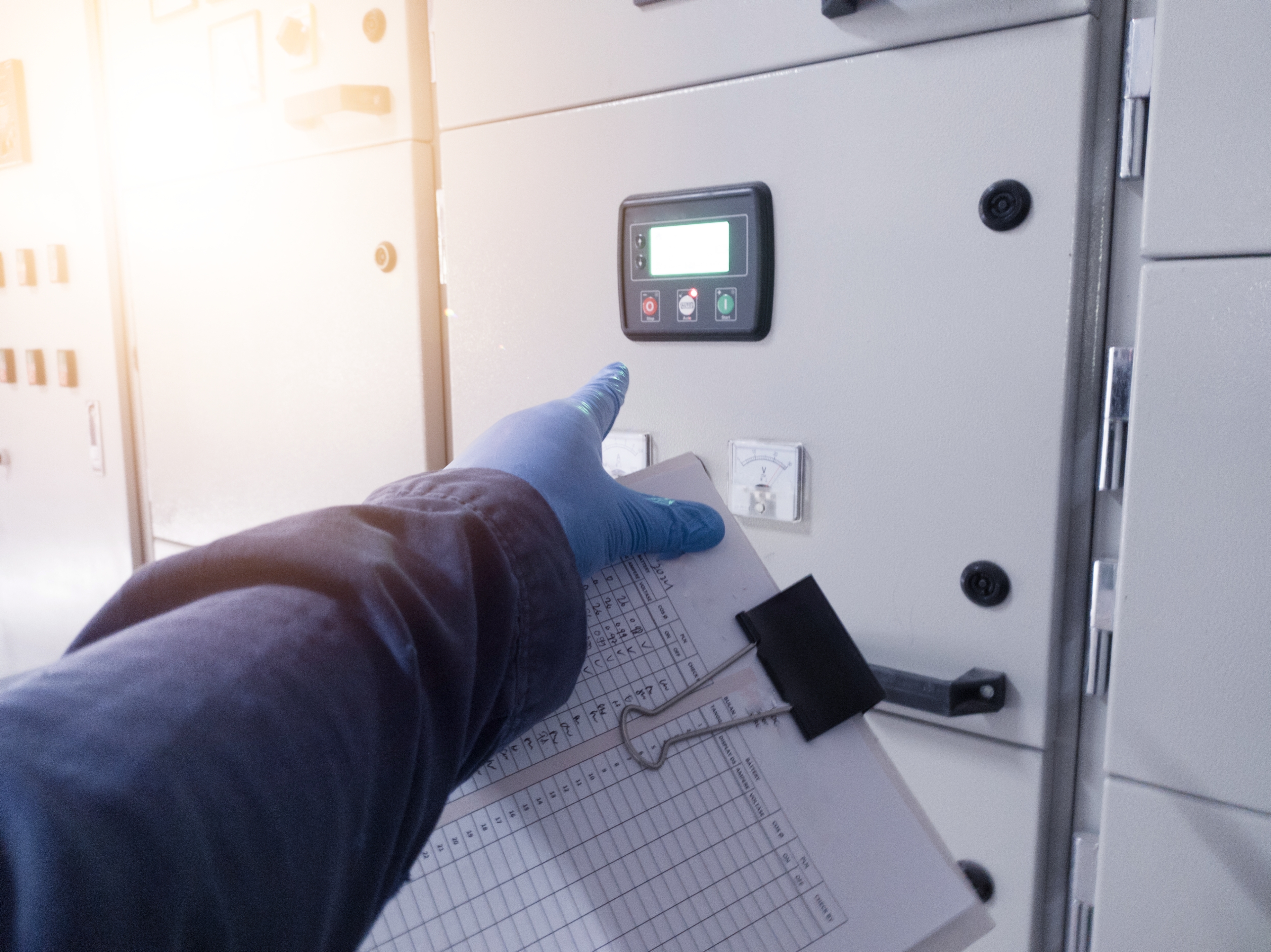
When it comes to installing a backup generator, safety should be your first priority. Understanding the crucial aspects of safety will help protect your home or business.
Location and Installation Area
Choosing the right spot for your generator is vital. Proximity to your main power source minimizes wiring issues and ensures steady operation. Avoid placing it near windows, doors, or vents. This prevents dangerous fumes from entering your space. Also, ensure it’s on stable ground to reduce vibration and noise.
Next, consider local regulations. Each area has specific guidelines about generator placement. Familiarize yourself with these rules to avoid fines or installation delays. Most people think any open space will do, but precise positioning is key. For more detailed advice, check out this forum on residential backup generator advice.
Generator Safety Tips
Operating your generator safely is crucial. Always read the manual first. It contains essential instructions tailored to your specific model. Keep children and pets away from the unit to prevent accidents. Never refuel a running generator—it poses a fire risk.
Test your system regularly. Run it every month to ensure it’s operating correctly. This practice not only highlights potential issues but also extends the generator’s life. For more safety insights, explore this Reddit discussion on generator safety.
Professional Installation Importance
While DIY might seem tempting, professional installation is always best. Experts ensure your generator meets local codes and operates safely. They provide peace of mind, knowing your system is installed correctly. Don’t risk your safety by cutting corners. Instead, invest in professional help to guarantee reliable power when you need it most.
Efficiency and Preparedness
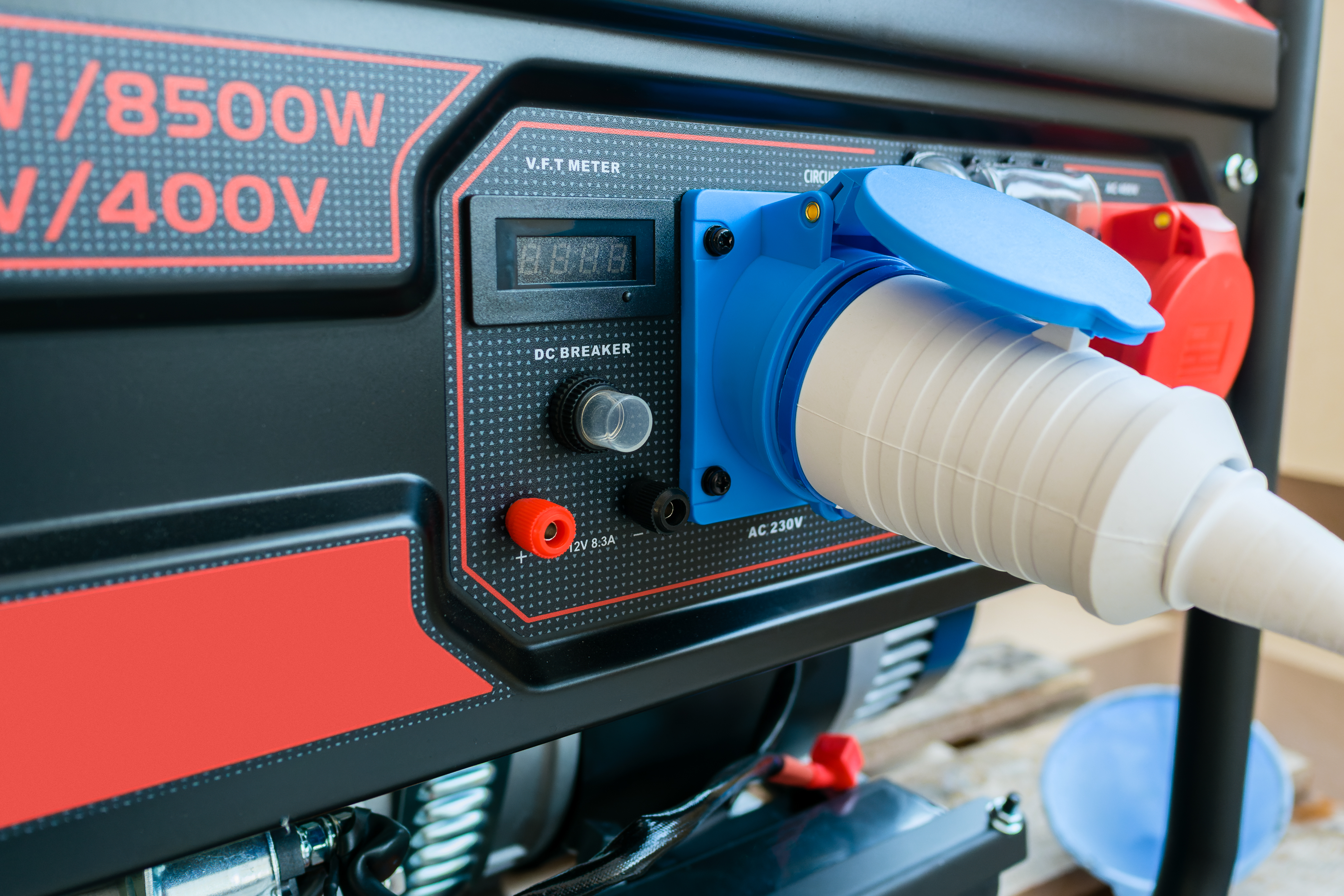
Having a backup generator is just the start. You need strategies to ensure you’re fully prepared for any power outage.
Power Outage Protection Strategies
Preparation is key to minimizing the impact of power outages. Start by creating a priority list for your energy needs. Decide which appliances are essential and plan accordingly. This ensures you don’t overload your generator during critical times.
Additionally, consider investing in surge protectors. They safeguard your electronics from unexpected power spikes when your generator kicks in. Remember, the longer you wait to implement these strategies, the greater the risk to your appliances.
Home Generator Systems Selection
Selecting the right generator system for your home is crucial. Consider the power output you need. For a typical home, a system offering 5,000 to 7,500 watts often suffices. Ensure the model you choose matches your home’s energy requirements.
Look for systems with automatic transfer switches. These switches sense power loss and activate your generator immediately. This feature is particularly useful during nighttime outages. To explore different models, visit Generac’s guide on home standby generators.
Business Power Solutions Options
For businesses, uninterrupted power is crucial. Consider larger generator systems capable of supporting your entire operation. Calculate your total wattage needs and add a buffer to accommodate future growth. Opt for systems with remote monitoring to oversee performance even when off-site.
Think about fuel type, too. Diesel systems are robust and efficient, but natural gas offers cleaner operation. Choose based on availability and cost-effectiveness for your business. Most think they only need power for lights, but your data systems and security are just as crucial.
Maintenance and Reliability
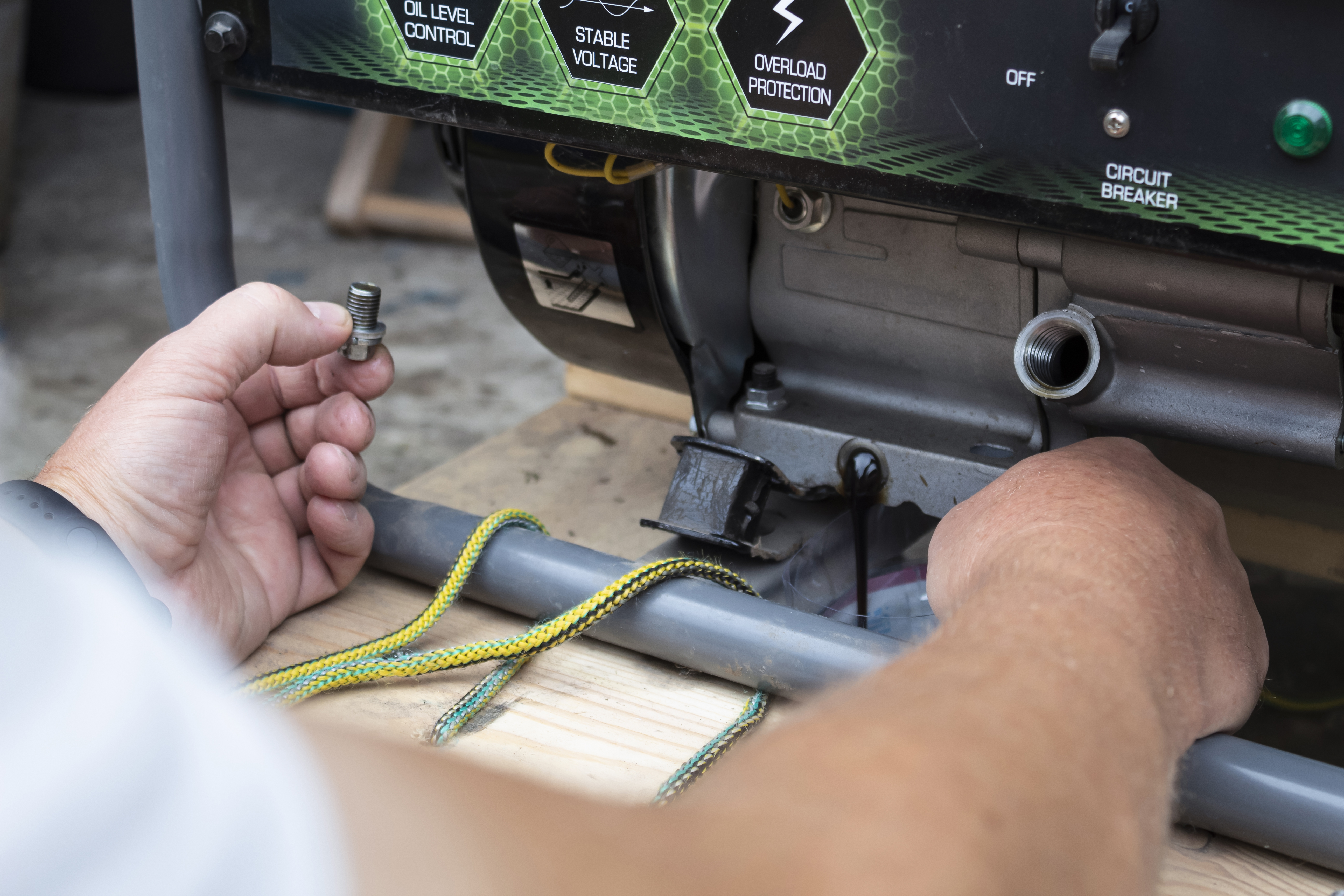
Regular maintenance is fundamental to your generator’s reliability and longevity.
Regular Maintenance Checks
Routine checks are the backbone of a reliable generator system. Regular oil changes and filter replacements keep your engine running smoothly. Every 200 hours of operation or annually, whichever comes first, is a good rule of thumb. Keep a maintenance log as a reference for future checks and repairs.
Inspect the battery and connections periodically. A reliable battery ensures your generator starts when you need it most. This small step can prevent significant headaches during power outages.
Ensuring Long-Term Reliability
Long-term reliability comes from consistent care. Clean your generator regularly to prevent dust build-up, which can lead to overheating. Schedule professional inspections annually to catch issues early.
Consider an extended warranty for additional peace of mind. It covers unexpected repairs and often includes routine service visits. By keeping your system in top shape, you ensure power when it matters most.
Importance of Professional Advice
Professional advice can make all the difference. Experts offer insights tailored to your specific system, ensuring optimal performance. They provide valuable tips for operation and maintenance, maximizing your investment.
Don’t hesitate to seek professional guidance. Contact a trusted service provider for expert advice on keeping your generator running smoothly. For more insights, explore questions about portable backup generators.
As you consider these essential elements, remember that a backup generator is an investment in your peace of mind. For more comprehensive solutions and expert advice, contact us. Our team is ready to help you power and protect your home or business with confidence.