EV Charger Installation in Plano: What to Know Before You Add One at Home
Installing an EV charger at home in Plano isn’t as simple as plugging it in. Your electrical panel might need an upgrade, permits are required, and safety can’t be overlooked. Getting these details right means faster, safer charging without surprises. Keep reading to learn what every Plano homeowner should know before scheduling an EV charger installation. For more detailed guidance, check out this helpful installation checklist.
Understanding EV Charger Requirements
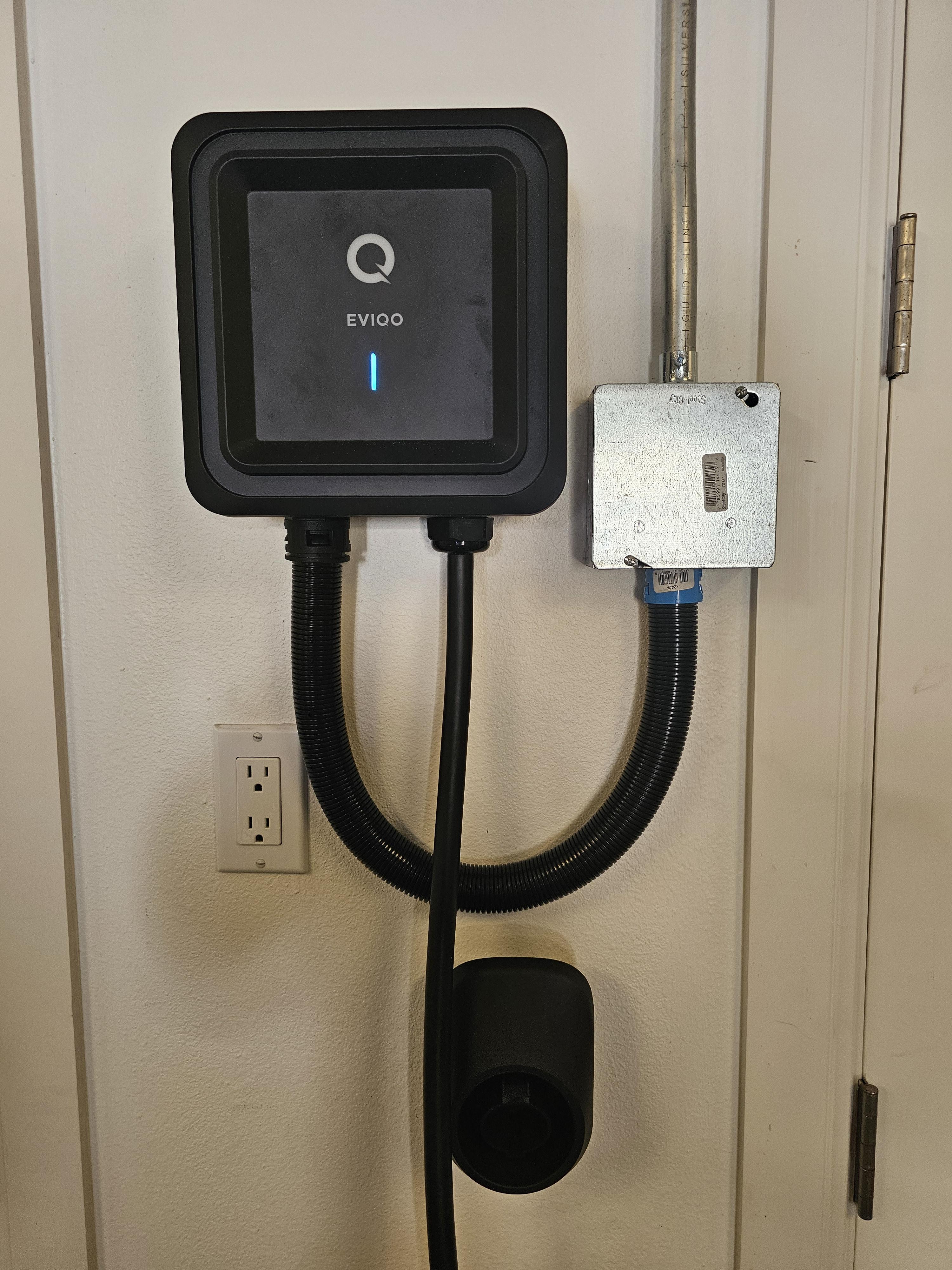
Knowing what your home needs for an EV charger installation in Plano is crucial. Let’s dive into the essentials to get you started.
Power Needs and Panel Capacity
First up: power needs. Your EV charger will draw a lot of electricity. A Level 2 EV charger requires a 240-volt outlet, similar to your dryer. Before installing, ensure your electrical panel can handle the load. If your panel is outdated or close to capacity, an electrical panel upgrade for EV might be necessary. This step prevents overloads and ensures your charger runs smoothly.
Think of it as future-proofing your home. Most people think their existing setup is fine, but a professional assessment can reveal hidden issues. Always consult a licensed electrician in Plano to evaluate your current setup and recommend the right solution.
Types of Chargers Available
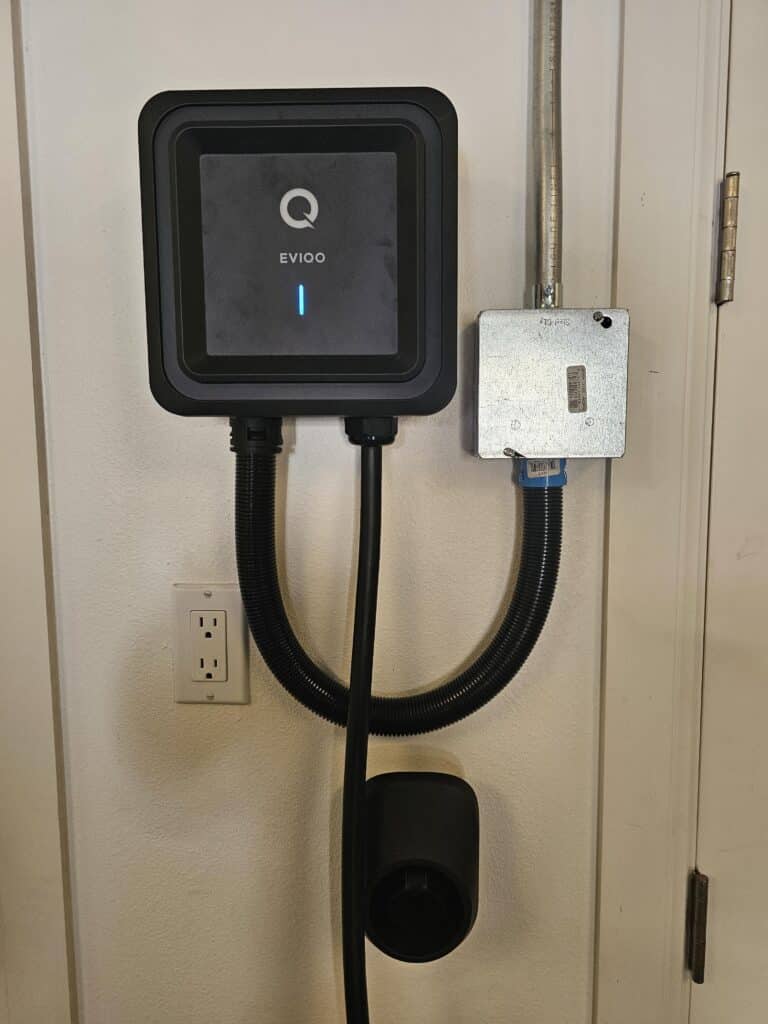
Choosing the right charger impacts your charging speed and convenience. The most common options are Level 1 and Level 2 chargers. Level 1 chargers use a standard outlet, but they charge slowly. In contrast, a Level 2 EV charger is faster and more efficient for daily use. If you have a Tesla, you might consider the Tesla Wall Connector install, which can charge your car even faster.
Explore the pros and cons of each type. Consider your driving habits and how often you need a full charge. This will guide you in picking the right charger for your needs.
Permits and Placement Essentials
Permits are often overlooked but are vital for a legal and safe installation. In Plano, you’ll need permits to ensure your setup meets local codes. Don’t skip this step; it avoids delays and potential fines. Proper placement is another key factor. For convenience, place the charger near where you park. If your garage is detached, plan for detached garage EV charging options.
Ask these questions: Where is the nearest power source? Is the area protected from weather? Thinking ahead saves you headaches later. For more on charging at home, check out the EPA’s guide.
Safety and Cost Considerations
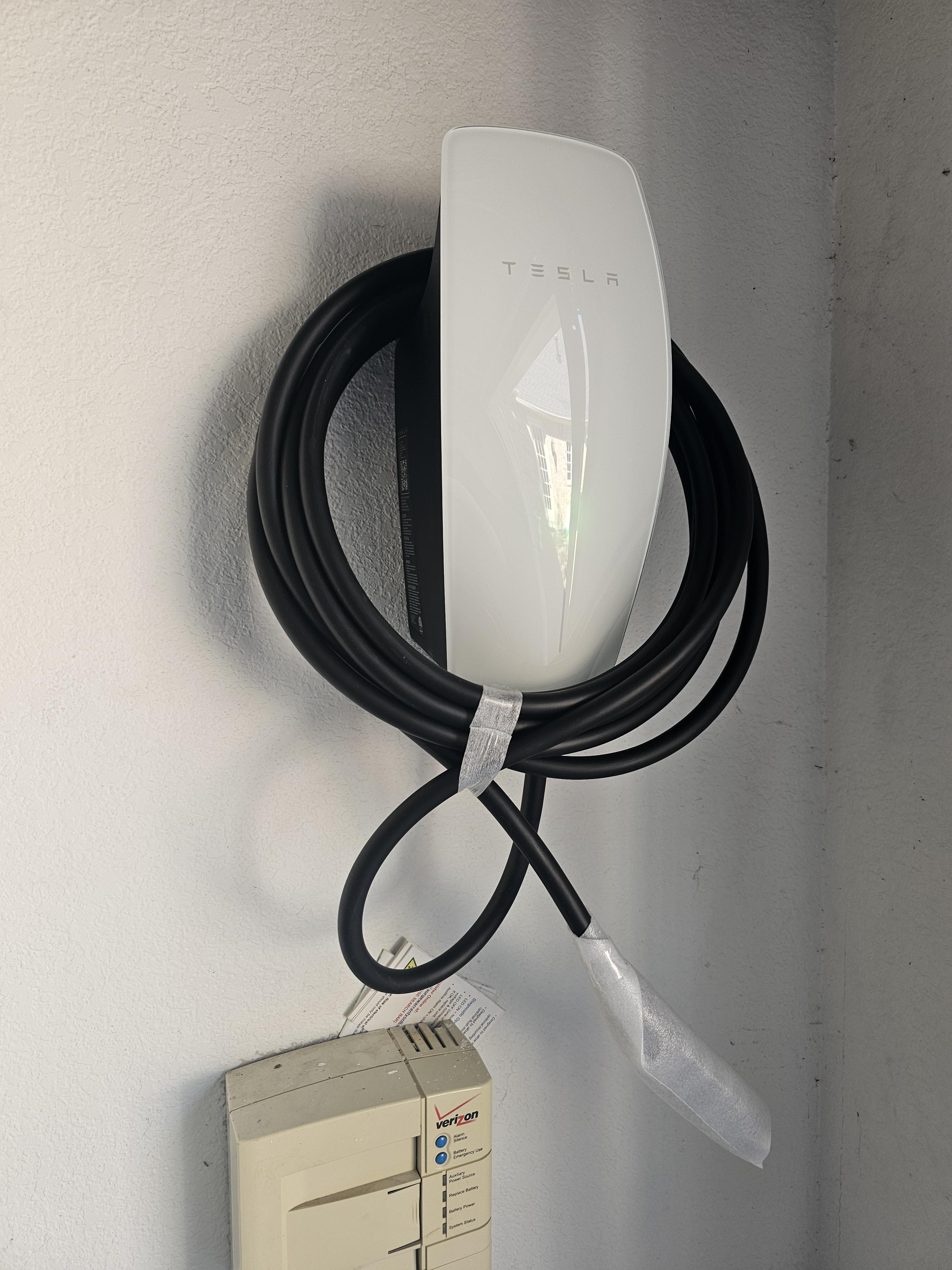
Safety and costs go hand in hand when installing an EV charger. Here’s what you need to know to keep things safe and affordable.
Importance of Charger Safety
Safety should be your top priority. Chargers must be installed correctly to prevent electrical hazards. Using a GFCI for EV charger is essential for protecting against shocks. Surge protection is another layer of safety. It shields your charger and car from power spikes, especially during storms.
Most people assume standard outlets are safe enough. They aren’t. Taking these additional steps ensures long-term safety and reliability.
Estimating Installation Costs
Costs can vary, so it’s good to have a ballpark figure in mind. On average, EV charger cost in Plano can range from $500 to $2,500, depending on the complexity of the installation. Factors include the type of charger, electrical panel upgrades, and permit fees.
Getting quotes from multiple installers helps you make an informed decision. Be wary of quotes that seem too good to be true, as they might cut corners on safety or quality.
Choosing the Right Installer
Picking the right installer ensures a seamless process. Look for a residential electrician in Plano with experience in EV installations. Check their credentials and customer reviews. A reputable installer will guide you through permits, placement, and safety features.
Hiring a pro might seem costly upfront, but it saves you from potential issues down the road. For more on what to expect, visit EnergySage.
Benefits of Professional Installation
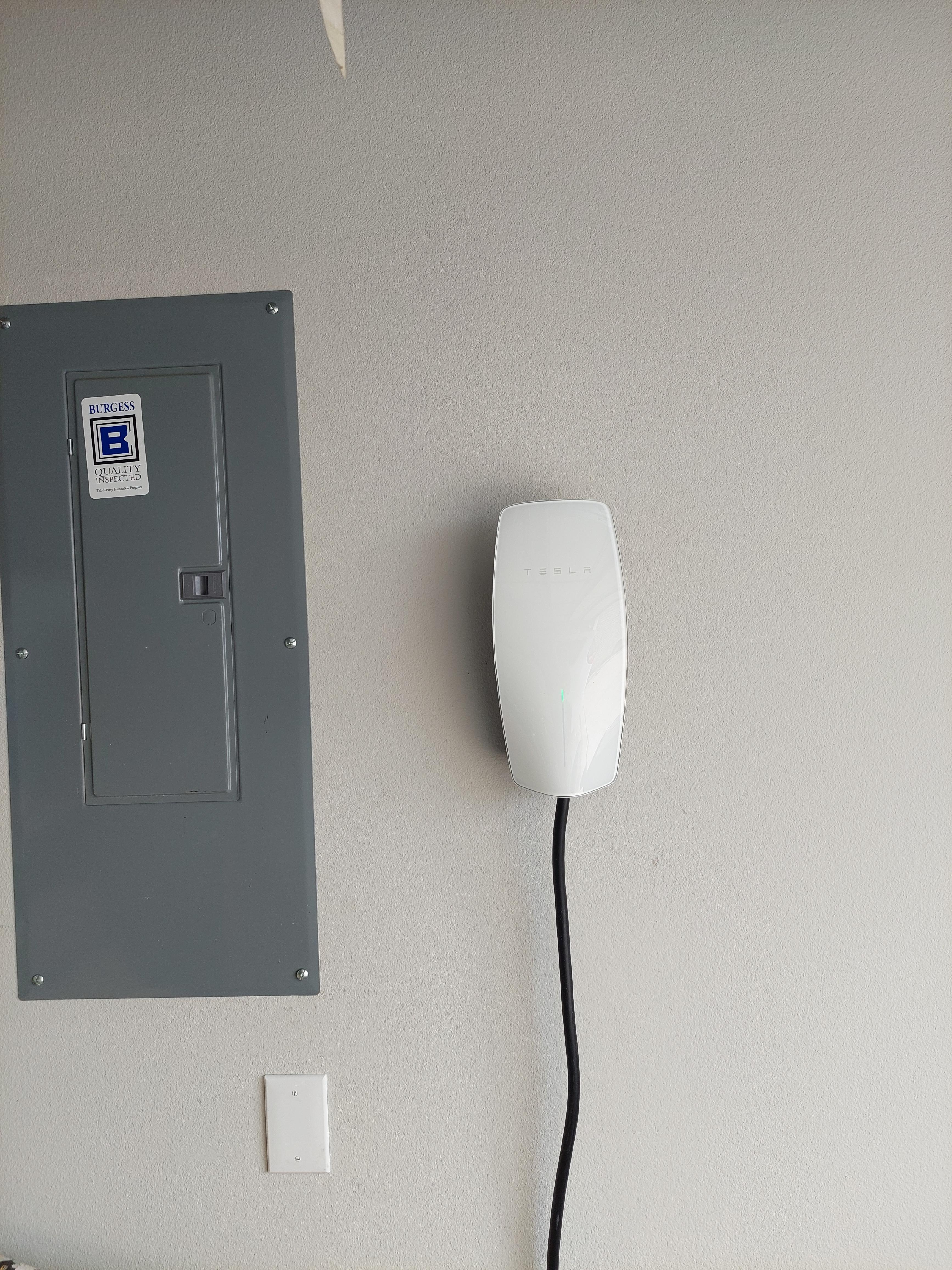
Opting for professional installation brings several advantages. Let’s explore why it’s a smart choice.
Proper Setup for Fast Charging
A professional ensures your setup is optimized for fast charging. This means getting your EV ready to go quicker, without compromising safety. Proper wiring and equipment are crucial for efficiency.
Most people think DIY installations are enough, but a professional touch makes a significant difference in performance.
Ensuring Compliance with Local Codes
Compliance with local codes is non-negotiable. A professional installer ensures your setup meets all regulations, avoiding legal issues and fines. They handle permits and inspections, giving you peace of mind.
Ignoring local codes can lead to costly repercussions. Play it safe by trusting an expert.
Added Features for Smart Home Integration
Integrating your charger with smart home systems adds convenience. Features like remote monitoring and scheduled charging enhance your experience. A professional can seamlessly integrate these features into your existing setup.
Imagine controlling your charger through your phone, optimizing energy use and saving costs. It’s possible with the right setup.
In conclusion, installing an EV charger at home in Plano involves understanding power needs, selecting the right charger, and ensuring safety and compliance. By choosing a professional installer, you ensure a hassle-free, efficient setup that keeps your EV ready to roll. For more insights, check out this Reddit discussion.