How to Detect and Fix Electrical Hazards Before They Become Disasters (Plano Home & Business Guide)
Flickering lights and tripping breakers aren’t just annoyances—they’re early warnings of serious electrical hazards lurking in your home or business. Ignoring them can lead to costly damage or even dangerous fires. In this guide, you’ll learn how to spot these signs and what steps to take to keep your electrical system safe and up to code. See a warning sign? Don’t wait—call Tesla Alarm and Electrical for a fast, 24/7 emergency response or schedule your electrical safety inspection today. Check out this essential guide on how to spot and handle electrical emergencies.
Early Warning Signs of Electrical Hazards
Being able to identify potential electrical hazards can save you time, money, and stress. By recognizing these signs, you can take action before they escalate. Let’s dive into some of the most common red flags you should watch out for.
Flickering Lights and What They Mean
Have you ever noticed your lights flickering? It might seem like a small annoyance, but it could signal a bigger issue. Flickering lights often mean there’s a loose connection somewhere in your electrical system. This could be as simple as a loose bulb or something more serious like faulty wiring. If left unchecked, it can lead to electrical fires or damage to your appliances.
Another cause of flickering lights could be an overloaded circuit. This happens when too many devices are drawing power from the same source. If you’re unsure why your lights keep flickering, it’s best to call a professional. Learn more about the dangers of flickering lights here.
Tripping Breakers: A Hidden Danger
Tripping breakers are another common sign of electrical trouble. Breakers trip to prevent your system from overheating, which can happen when circuits are overloaded. If your breaker trips frequently, it’s a sign that something needs attention.
Sometimes, tripping breakers can indicate a more serious issue like a short circuit. This occurs when wires touch and create a path of low resistance, causing an excess flow of electricity. If you’re dealing with frequent breaker trips, it’s crucial to address the problem right away. Check out this article on identifying electrical hazards in your home.
Burning Smell from Outlets
A burning smell from your outlets is a serious warning that should never be ignored. It often means that your wiring is overheating, which can be a precursor to an electrical fire. If you detect a burning smell, turn off the power and unplug devices immediately.
Overheating can result from overloaded circuits, outdated wiring, or faulty appliances. In all cases, it’s essential to have a professional electrician assess the situation. This will ensure your safety and help prevent potential disasters.
Fixing Common Electrical Issues
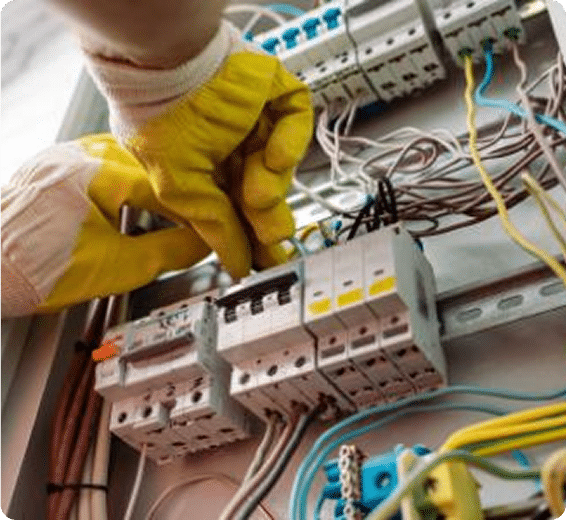
By now, you’ve identified some warning signs. The next step is knowing how to fix these common electrical issues. Addressing them promptly not only keeps your home safe but also improves efficiency.
Loose Electrical Connections
Loose electrical connections can cause flickering lights and pose a fire hazard. They often occur in outlets, switches, and junction boxes. Periodically checking and tightening these connections can prevent problems.
If you’re not comfortable dealing with electrical components, it’s best to consult an expert. Doing so not only ensures safety but also keeps your electrical system running efficiently.
Outdated Wiring Concerns
Outdated wiring is a common issue in older homes. This kind of wiring can struggle to meet today’s electrical demands, leading to overheating and fires. If your home was built several decades ago, it might have aluminum wiring, which is known to be a fire risk.
Replacing outdated wiring with modern alternatives is a wise investment. Not only does it enhance safety, but it also increases your property’s value. Explore more about the importance of updating your home’s wiring.
Panel Upgrades in Plano
Your electrical panel is the heart of your home’s power system. If it’s old or frequently causing issues, a panel upgrade is essential. An upgraded panel can handle more power, reducing the risk of overloads.
For homeowners in Plano, a panel upgrade can also prepare your home for future expansions or smart home installations. It’s an investment in safety and convenience. Schedule your electrical safety inspection today.
Enhancing Safety with New Technologies
While fixing existing issues is crucial, embracing new technologies can further enhance your home’s safety. Here’s how you can upgrade your system with the latest solutions.
GFCI and AFCI Installation
Ground Fault Circuit Interrupters (GFCI) and Arc Fault Circuit Interrupters (AFCI) are essential for modern homes. GFCIs prevent electrical shock by shutting off power when a fault is detected. They’re commonly used in wet areas like bathrooms and kitchens.
AFCIs, on the other hand, detect electrical arcs and prevent fires. Installing these devices adds an extra layer of protection to your home. Understand the benefits of GFCI and AFCI here.
Whole-Home Surge Protection
Power surges can damage your appliances and electronics. Installing a whole-home surge protector guards against these spikes, prolonging the life of your devices. It’s a small investment for significant peace of mind.
Surge protection is especially important in areas prone to storms or frequent power outages. Protecting your home from surges ensures that you won’t face unexpected repair costs.
Smart Home and Security Systems in Plano
Smart home technology isn’t just about convenience—it’s also about safety. Smart systems allow you to monitor your home remotely, providing real-time alerts for any issues.
Integrating smart security systems with your electrical setup can enhance both safety and efficiency. From cameras to automated lighting, these technologies make managing your home easier and more secure. For homeowners in Plano, embracing these smart solutions can transform your living space into a safe haven.