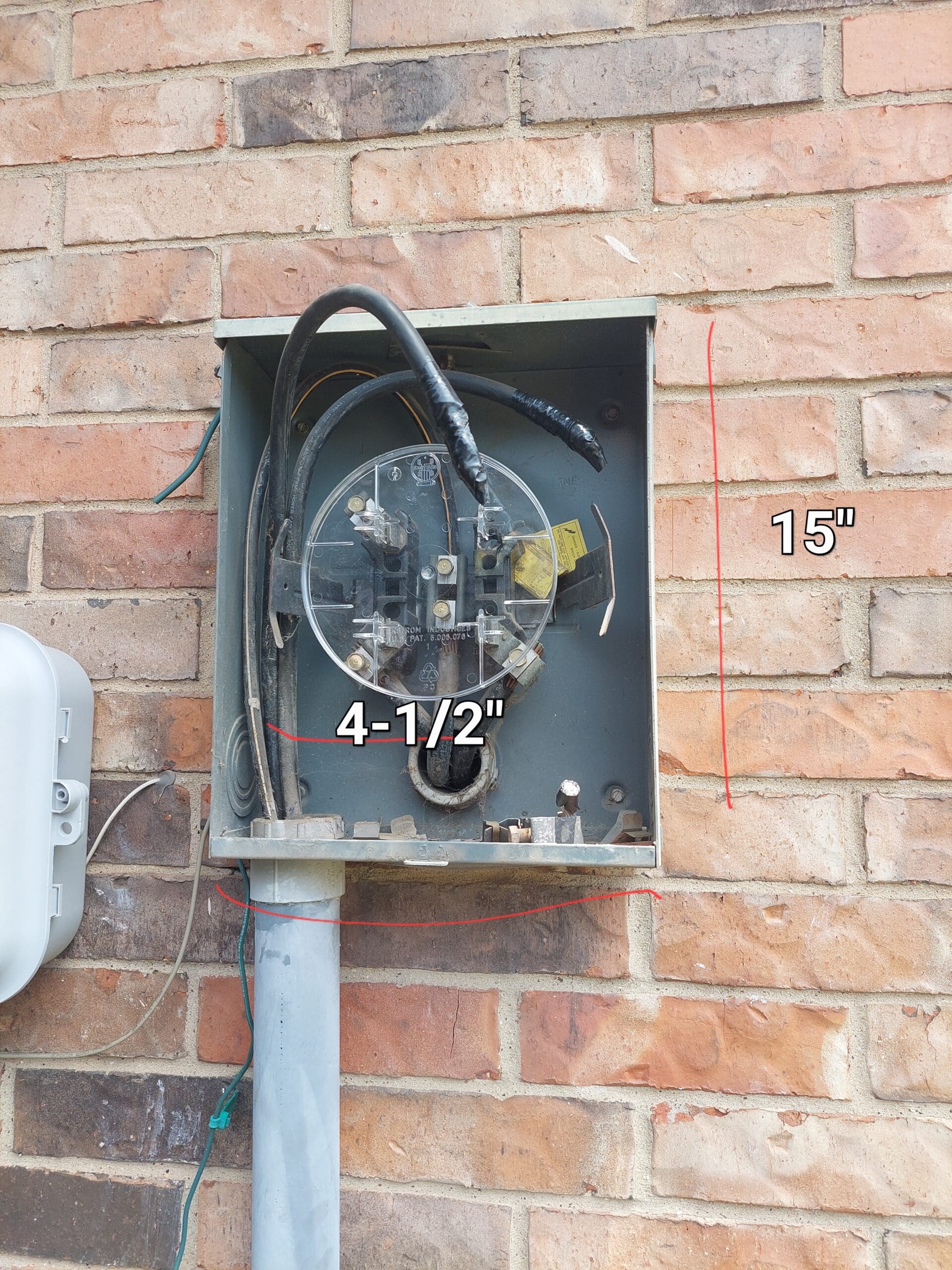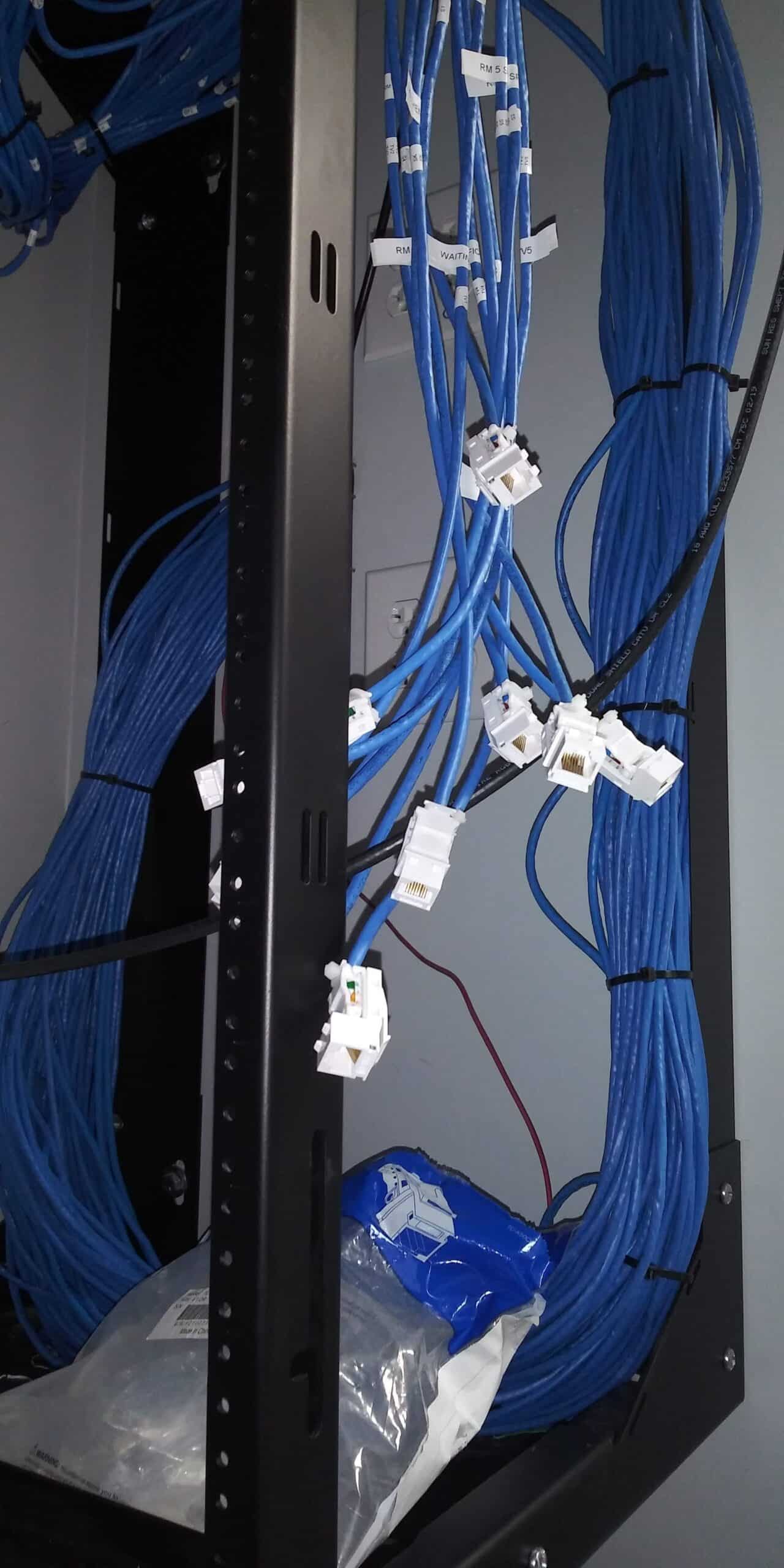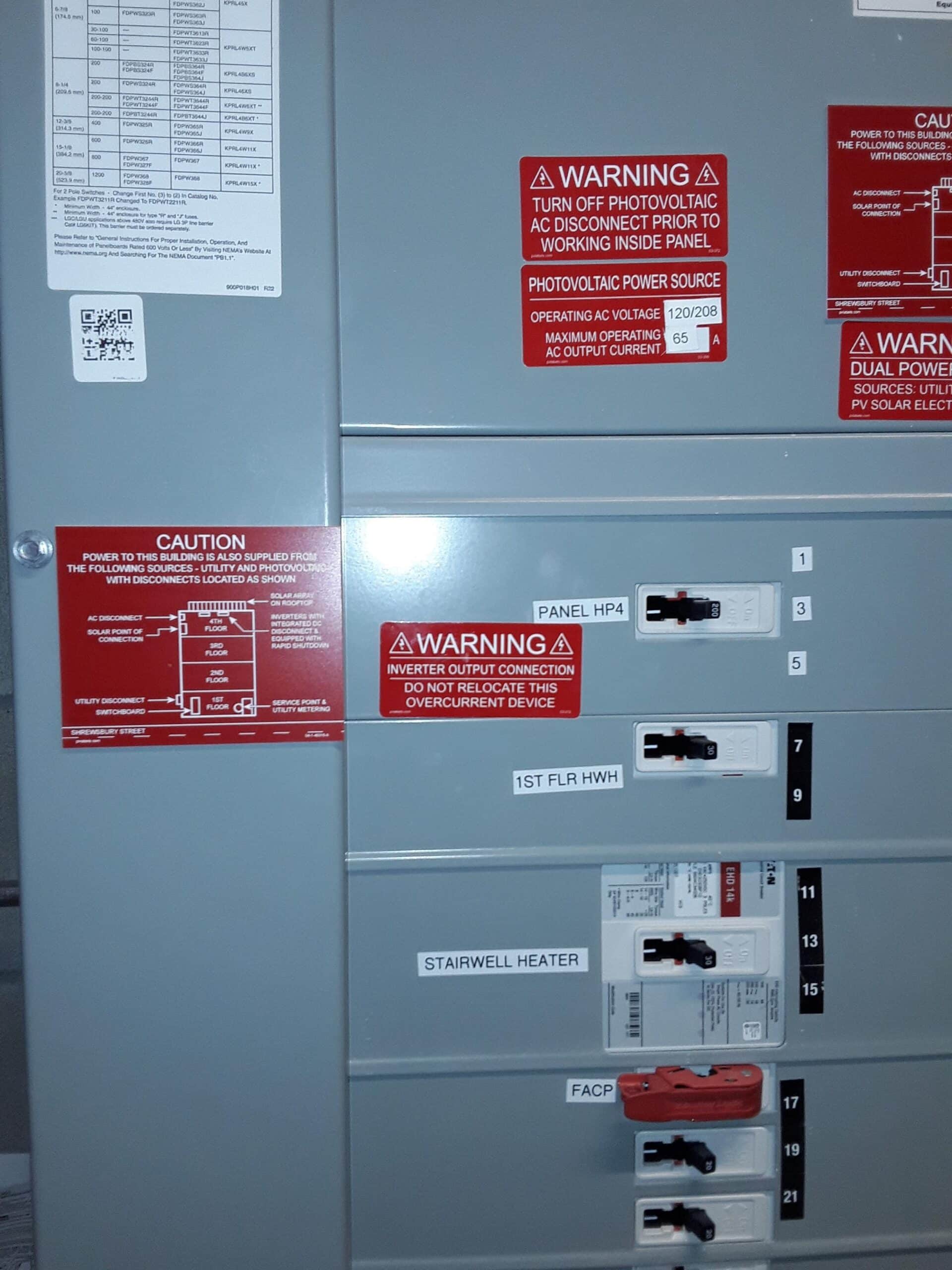
Flickering lights, breakers that trip without warning, or outlets that feel warm to the touch aren’t just annoyances—they signal hidden electrical problems. Ignoring these signs can lead to costly outages or dangerous hazards in your home or business. Knowing when your property needs an electrical inspection in Plano can save you time, money, and stress. Let’s walk through the key warning signs and timing to keep your electrical system safe and code compliant. For a licensed safety inspection, visit Tesla Alarm and Electrical.
Signs Your Property Needs an Inspection
Understanding the warning signs can prevent electrical mishaps. Here are some indicators that your property might need inspection.
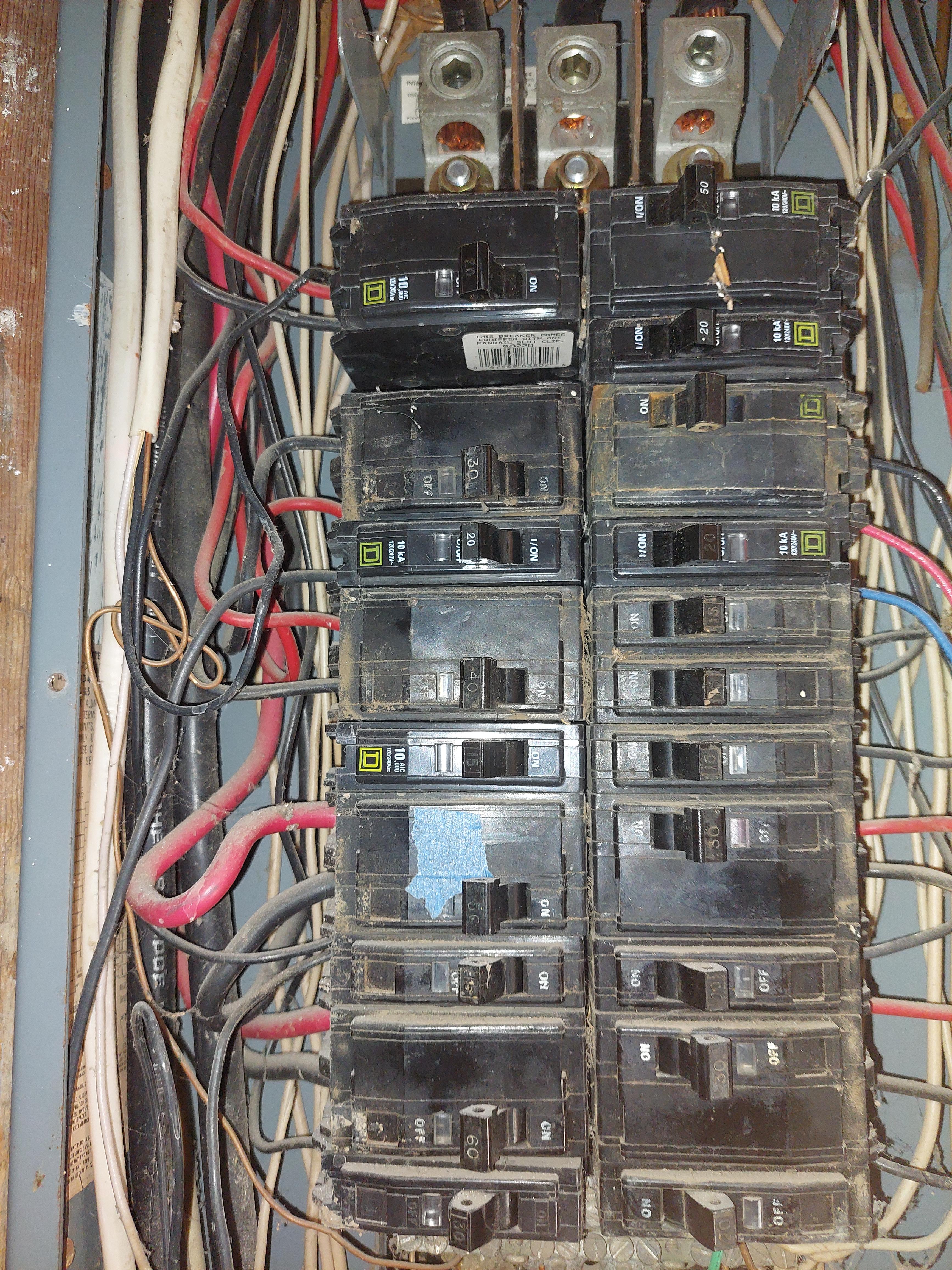
Frequent Breaker Trips
When your breaker keeps tripping, it’s a clear sign of potential trouble. This could mean that your electrical panel is overloaded or that there’s a short circuit somewhere in your system. Frequent tripping can lead to electrical fires or damage appliances. If you notice this happening often, it’s important to have a professional assessment. Ignoring this issue could also mean your panel is outdated and may not support your current power needs.
Flickering or Dimming Lights
Flickering lights can seem minor but indicate a bigger issue. This can be due to poor connections, faulty wiring, or an overloaded circuit. Regular flickering is not something to ignore as it might lead to more serious electrical problems. Dimming lights can also signal that your system struggles to meet power demands. Remember, what starts as a small flicker could escalate into a more serious hazard.
Burning Smell or Warm Outlets
A burning smell from an outlet is a red flag. This often means that insulation is burning, which could lead to fires. Similarly, if outlets are warm or discolored, they could be overloaded. It’s crucial to address these symptoms quickly to prevent potential fire hazards. If you experience any burning smells or find warm outlets, call a professional immediately to ensure your home’s safety.
When to Schedule an Inspection
Knowing when to schedule inspections can save you from unexpected problems.
New Home or Business Acquisition
Acquiring a new property is an exciting venture, but it should be accompanied by an electrical inspection. Even if the building seems fine, underlying issues might be present. An inspection ensures that all systems are up to code and safe. This step is crucial in avoiding surprises and ensuring you have a safe environment from day one.
After Storms or Power Surges
Storms and power surges can wreak havoc on your electrical systems. They can damage wiring, outlets, and more. After such events, scheduling an inspection can prevent long-term damage and ensure everything is functioning correctly. This proactive step protects your property and gives you peace of mind after the weather calms.
Every 3-5 Years as Routine
Routine inspections every three to five years help maintain safety and efficiency. Over time, electrical systems wear and can become outdated. Regular inspections help catch issues early, saving you from costly repairs. Additionally, they ensure your systems are up to current electrical codes. Routine checks are a small investment to protect your property and loved ones.
Benefits of Professional Inspection
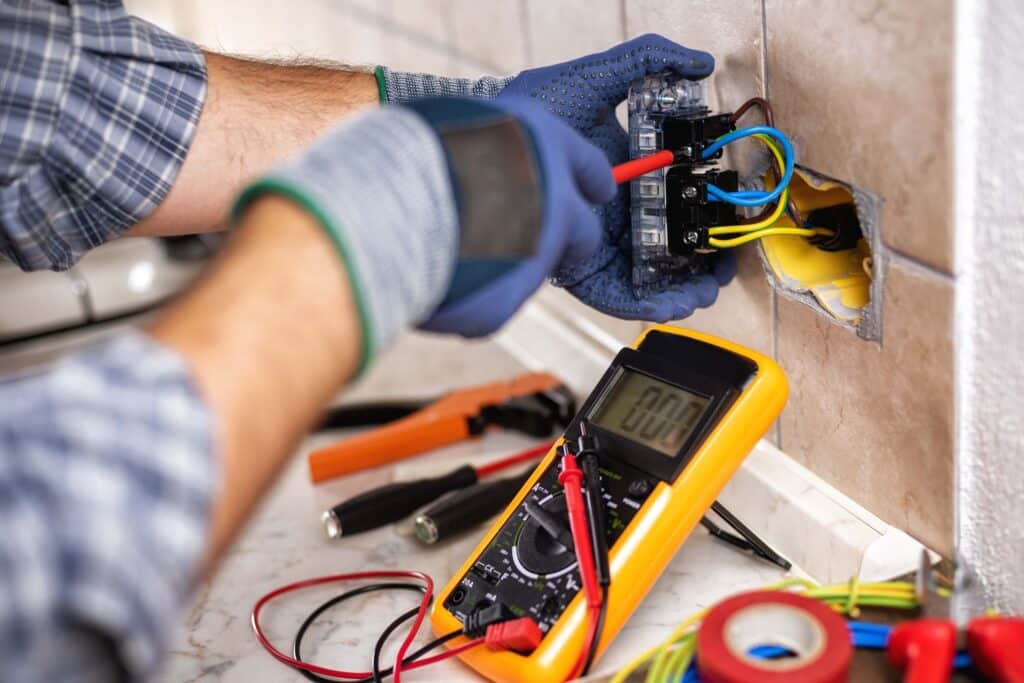
Having a professional inspect your electrical system brings numerous benefits.
Ensuring Code Compliance
A professional inspection ensures your property meets all local electrical codes. These codes are designed to keep you safe. Non-compliance can lead to fines or unsafe conditions. Keeping up with these standards not only protects you legally but also ensures optimal safety.
Identifying Upgrade Needs
Inspections reveal if upgrades are necessary. As technology advances, older systems may not handle new power demands. Upgrading can increase efficiency and accommodate new appliances. It also protects against potential hazards from outdated systems. Knowing when and what to upgrade is vital for long-term safety.
Enhancing Safety and Efficiency
The primary goal of an inspection is to enhance safety and efficiency. By identifying and addressing potential hazards, you ensure a safer environment. Efficient systems also mean reduced energy costs and improved performance. Regular inspections are key to maintaining a safe, efficient home or business.
Frequently Asked Questions
How often should I schedule an electrical inspection?
Electrical inspections should be scheduled every 3-5 years as part of routine maintenance. However, if you experience frequent breaker trips or flickering lights, it might be necessary to schedule one sooner.
What are the signs of an electrical problem in a house?
Common signs include frequent breaker trips, flickering or dimming lights, burning smells, and warm or discolored outlets. These symptoms indicate potential electrical issues that need professional evaluation.
Why is my outlet warm to the touch?
A warm outlet might indicate an overloaded circuit or faulty wiring. This can be dangerous as it could lead to electrical fires, and should be inspected by a professional immediately.
What should I do if I smell something burning from an outlet?
If you smell something burning from an outlet, stop using it immediately and call an electrician. This could be a sign of a serious problem that needs urgent attention.
Is it necessary to inspect a new home or business for electrical issues?
Yes, inspecting a new property is crucial to ensure all systems are safe and up to code. It helps in avoiding future surprises and ensures your new space is secure from the start.