How to Tell If Your Home Needs an Electrical Inspection: 12 Red Flags You Cannot Ignore
Your home’s electrical system isn’t something you want to overlook. Flickering lights or a breaker that keeps tripping are warning signs you can’t afford to ignore. In this post, you’ll find 12 clear red flags that mean it’s time to schedule an electrical inspection in Plano. Stay safe and avoid costly damage by knowing exactly what to watch for. For more information, you can check out this homeowner’s checklist.
Common Electrical Red Flags
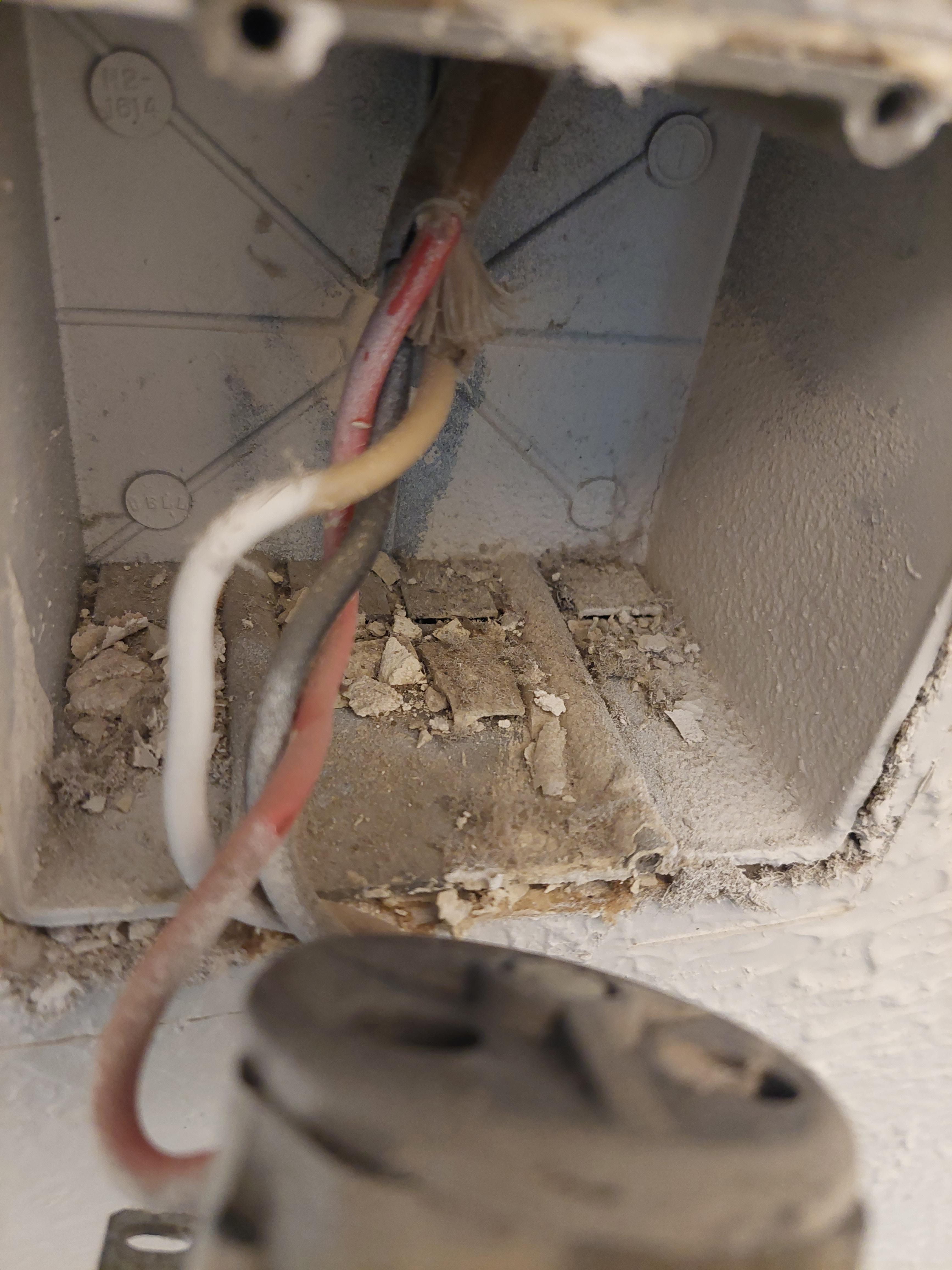
Let’s dive into the most frequent warning signs that your electrical system needs attention. Addressing these early can save you from bigger headaches down the road.
Breaker Keeps Tripping
Picture this: You’re enjoying a cozy evening at home, but the lights keep going out. This isn’t just annoying—it’s a sign your breaker is overworked. When a breaker frequently trips, it’s telling you something more serious is at play. Your electrical system might be overloaded, or there could be a short circuit. Both scenarios require immediate attention from a licensed electrician.
Don’t let the problem linger. If this happens often, it’s crucial to act quickly. Ignoring the issue can lead to overheating, which poses a significant fire risk. Get a professional to assess the situation before it escalates.
Flickering Lights and Their Causes
Flickering lights can feel like something out of a horror movie, but the real horror could be lurking in your wiring. Loose connections, faulty switches, or worn-out bulbs can cause inconsistent lighting. But most people think it’s just a bulb issue, when it could be a symptom of a deeper electrical problem.
Next time you notice a flicker, don’t brush it off. It might point to wiring issues that need professional repair. Stay proactive and call in a licensed electrician to keep your home well-lit and safe.
Recognizing a Burning Smell
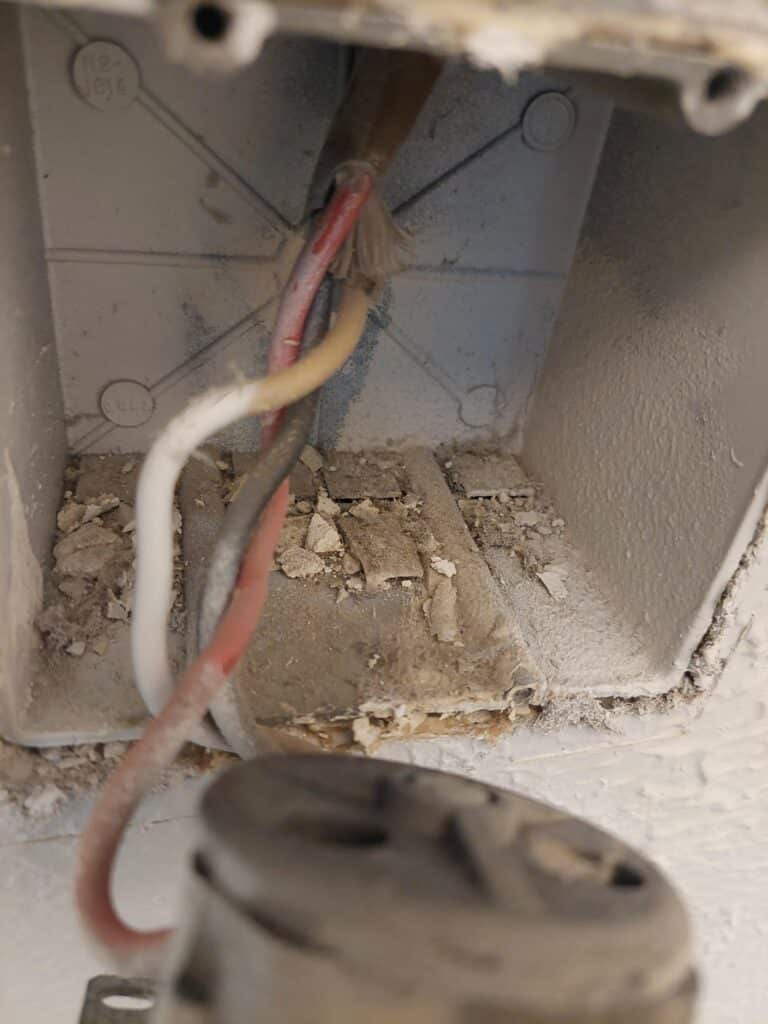
A burning smell coming from outlets or switches is a red alert. This could mean wires are overheating, and it’s a problem that requires immediate intervention. Over time, cords can fray, connections can loosen, and these issues can lead to fires if not addressed promptly.
If you ever catch a whiff of something burning and can’t find the source, it’s time to take action. Turn off the power at your breaker box and contact an expert right away. Safety comes first, and timely action can prevent potential disasters.
Aging Electrical Components
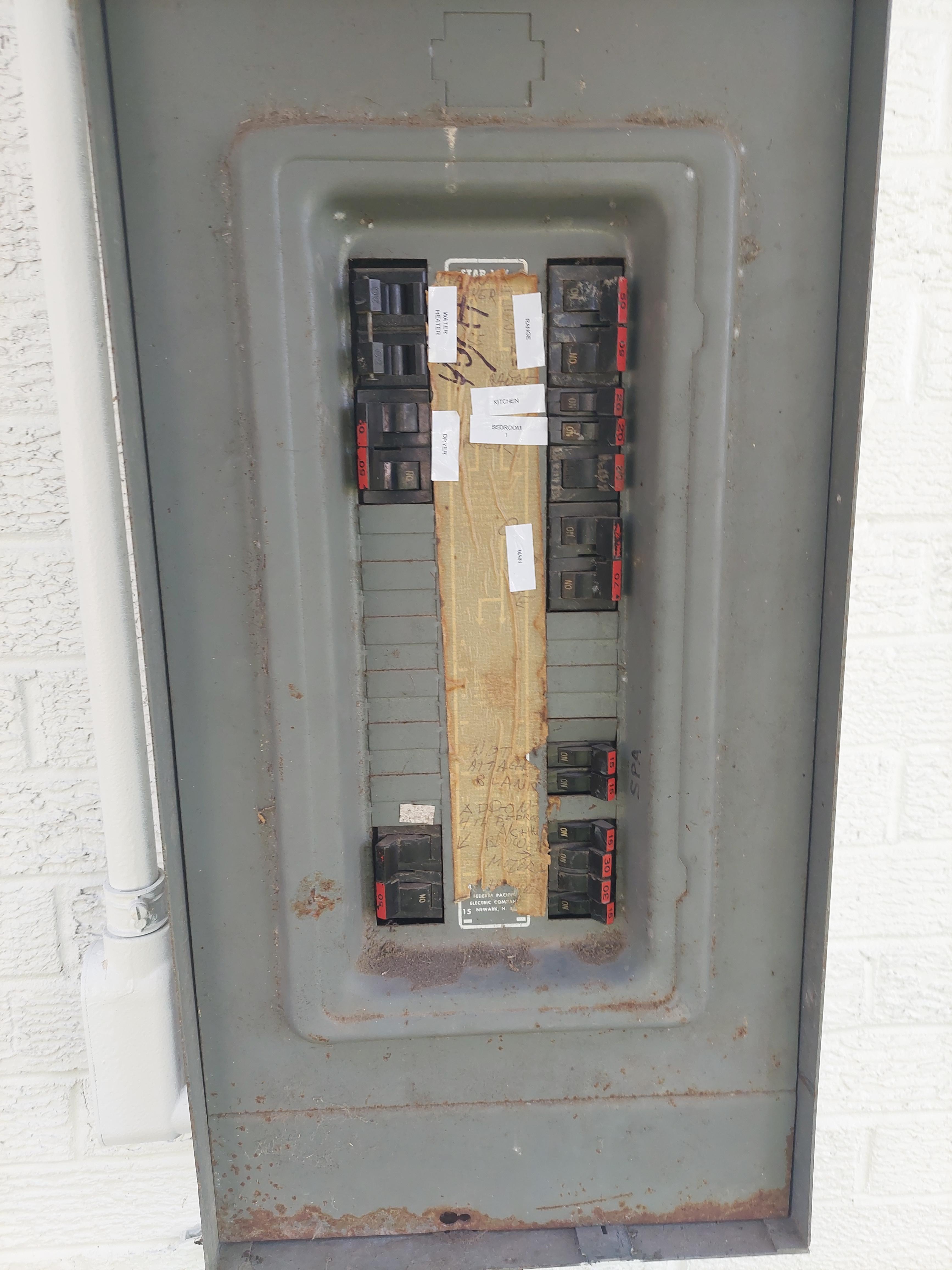
Older homes have their charm, but outdated electrical systems are not part of the allure. Knowing when to upgrade these components is key to maintaining a safe environment.
Outdated Electrical Panel Issues
An outdated electrical panel can be more than just a nuisance. Panels that are over 20 years old often struggle to meet modern energy demands. This can result in frequent breaker trips and potential fire hazards. If your panel is a Federal Pacific model, it’s even more critical to consider an upgrade, as these are known for their problems.
Most folks think their electrical panel is doing just fine, but newer appliances demand more power. If you’re frequently resetting breakers, it’s time to consult a professional about a panel upgrade. Protect your home and enhance its safety with a modern, reliable system.
Risks of Aluminum Wiring
Aluminum wiring was common in homes built before the 1970s. However, it poses risks due to its tendency to expand and contract. This can lead to loose connections and overheating, increasing the risk of fires. If your home still uses aluminum wiring, it’s crucial to have it inspected and possibly replaced.
You might assume your wiring is safe, but outdated materials can be a hidden threat. Reach out to a licensed electrician to discuss safer alternatives and ensure your home is up to current standards.
Problematic Two Prong Outlets
Two prong outlets might look nostalgic, but they aren’t up to today’s safety standards. They lack grounding, which means they can’t protect against electrical surges. This can put your electronics and home at risk. Switching to grounded, three-prong outlets is a simple yet effective upgrade.
If your home still uses two prong outlets, consider making the switch. This small change can significantly enhance your family’s safety, reducing the risk of shocks and electrical fires.
Importance of Regular Inspections
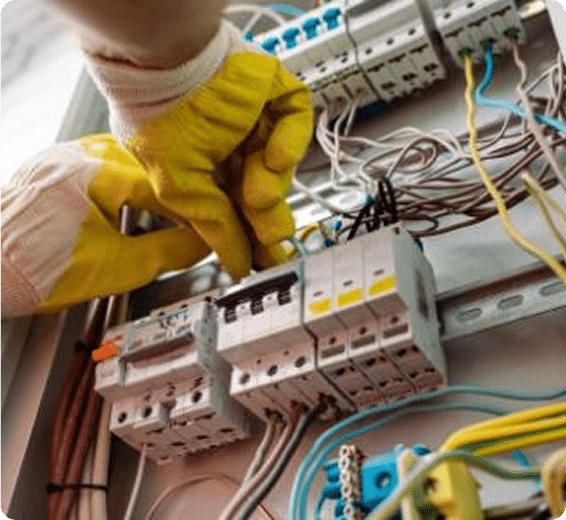
Regular electrical inspections are your best defense against hidden dangers. They ensure everything runs smoothly and safely.
GFCI and AFCI Testing Explained
Ground Fault Circuit Interrupters (GFCI) and Arc Fault Circuit Interrupters (AFCI) are crucial for safety. GFCIs protect you from shocks and are typically installed in wet areas. AFCIs prevent fires by detecting electrical arcs. Testing these systems periodically ensures they’re functioning correctly.
Not everyone realizes the importance of these devices, but they play a vital role in your home’s safety. Regular testing can catch issues early, providing peace of mind and protection.
Ensuring Electrical Code Compliance
Staying up to code isn’t just a legal requirement—it’s a way to ensure safety. Electrical codes evolve to address new safety standards. Regular inspections help keep your home compliant with the latest NEC code in Plano.
If you’ve been putting off an inspection, now’s the time to act. Compliance not only protects your home but also boosts its value. A licensed electrician can guide you through necessary updates, ensuring everything is up to par.
Benefits of a Whole Home Inspection
A whole home electrical inspection gives you a comprehensive overview of your system’s health. It identifies potential issues before they become costly repairs. Plus, it provides peace of mind knowing your home is safe for your family.
If you’re buying or selling a home, this inspection is essential. It helps highlight any necessary fixes and reassures potential buyers. Don’t wait until problems arise—schedule your whole home inspection today to maintain a safe and efficient living space.
In conclusion, staying proactive with your electrical system can save you from unexpected surprises. Whether it’s a breaker that won’t stop tripping or aging wiring, addressing these red flags ensures your home remains a safe haven. Always consult with a licensed electrician to handle any concerns, and keep your home running smoothly. For more insights, check out these expert tips.