Texas Backup Generator Installation Guide: Choose, Size, and Install Safely
Texas power outages can strike without warning. When the lights go out, your home or business can grind to a halt—unless you have a reliable whole home generator ready. Choosing the right backup generator installation involves careful generator sizing, permits, and safe placement to keep your property running smoothly. This guide walks you through every step, so you can protect your space with confidence and avoid costly downtime. Don’t wait for the next outage. Schedule your free on-site generator assessment with Tesla Alarm and Electrical today. For more information on permits and installation, visit this guide.
Selecting the Right Generator
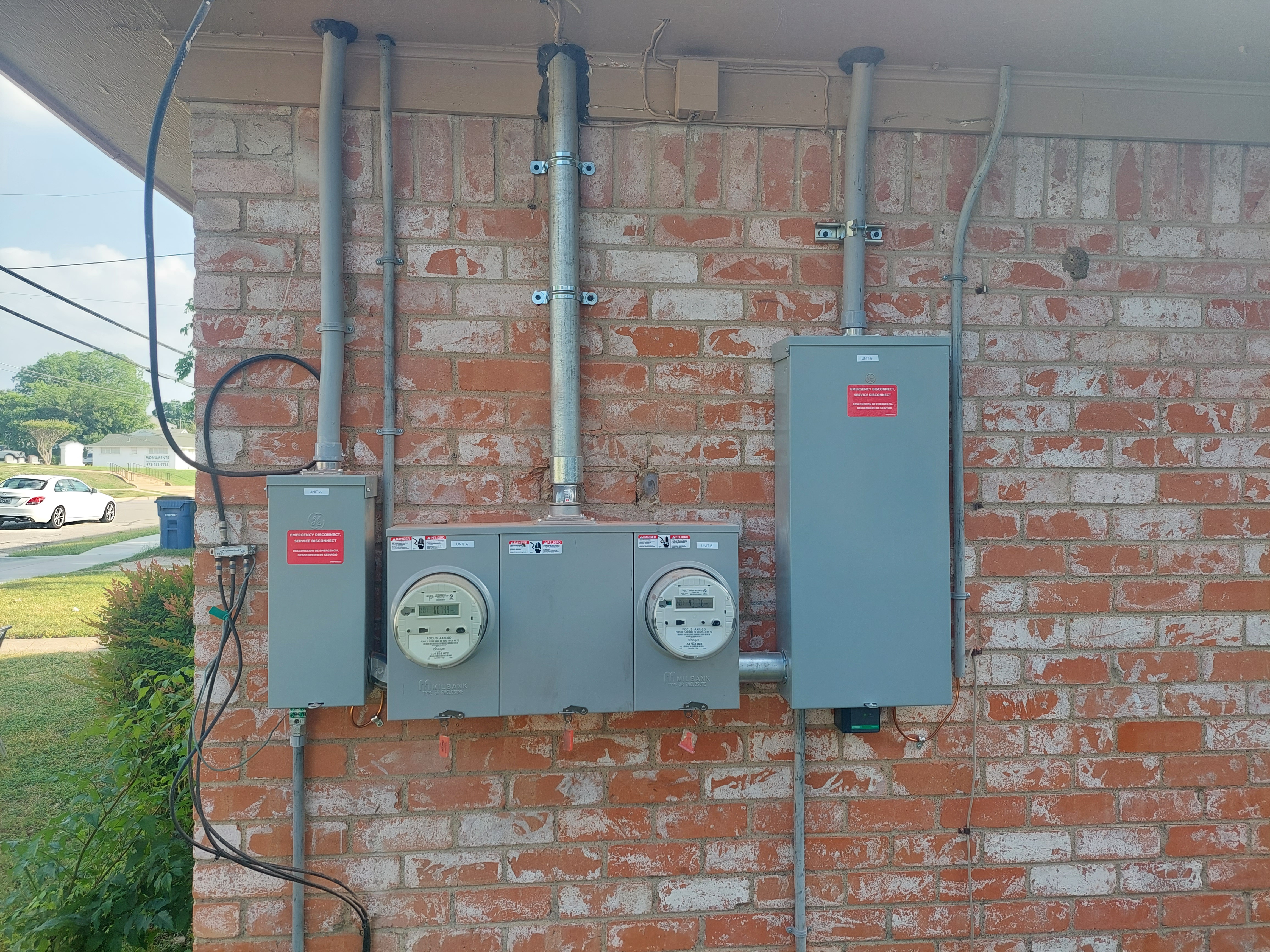
Choosing the perfect generator is the first step in keeping your home or business operational during a Texas power outage. Let’s explore options that cater to your specific needs.
Backup vs Standby Generators
Are you considering a backup generator or a standby generator? Backup generators are portable and often used for short-term power needs. They require manual setup and connection. Standby generators, however, automatically kick in during an outage, providing seamless power without manual intervention. These systems are permanently installed and often run on natural gas or propane.
For most Texas homeowners, standby generators offer more convenience and reliability. Imagine not having to fumble in the dark, trying to get power back. With standby solutions, your lights, fridge, and HVAC systems continue running automatically. This is critical in maintaining comfort and safety, especially in extreme weather.
Best Fuel Type for Texas
Fuel choice significantly impacts generator performance. In Texas, natural gas and propane are popular options. Natural gas generators tap into an existing gas line, providing a continuous fuel source. This means no refueling worries during extended outages. Propane generators, on the other hand, require tanks but are beneficial in areas without gas lines.
Consider your location and existing utilities when choosing fuel type. Natural gas is often more cost-effective long-term, but propane can be a solid backup if gas lines aren’t available. Always weigh initial setup costs against future fuel expenses.
Generator Installer Plano Experts
Finding the right installer is crucial. Look no further than Tesla Alarm and Electrical, your local experts for generator installation in Plano. Our team ensures your system is set up quickly and safely.
Why trust locals? We understand the unique demands of Texas weather and local regulations. Plus, our expertise means fewer installation hiccups. You get peace of mind knowing your generator is installed by professionals with a deep understanding of Texas power needs.
Sizing and Placement Essentials
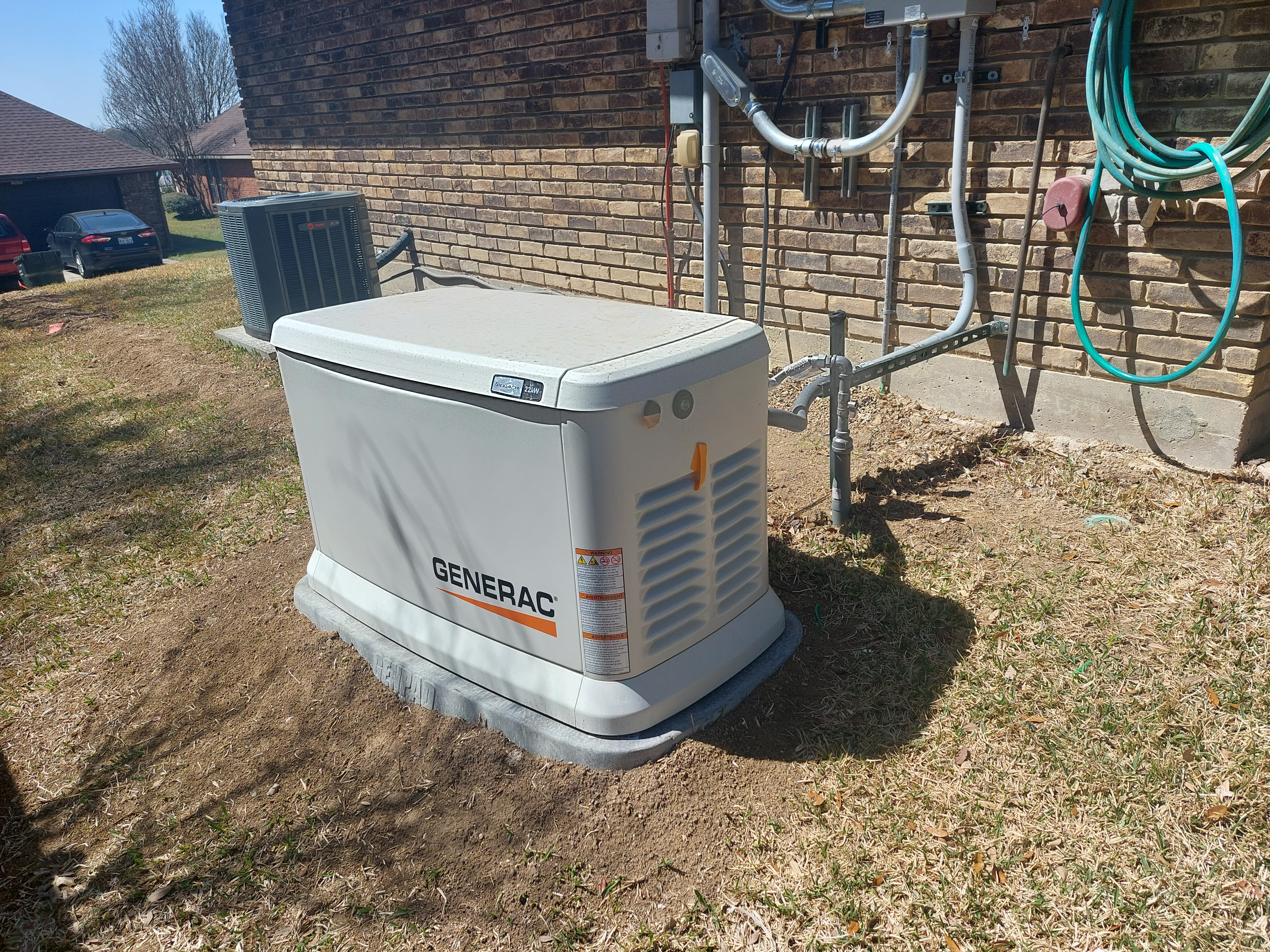
Proper sizing and placement of your generator ensure it functions efficiently when you need it most. Here’s how to get it right.
Accurate Generator Sizing
Size matters when it comes to generators. An undersized unit won’t power your essentials, while an oversized one can waste fuel. Start by listing critical appliances and systems you need during an outage. Calculate their total wattage to determine the generator capacity required.
For instance, a typical home may need between 7,500 to 20,000 watts, depending on size and appliances. Consult a professional to ensure accurate sizing. The right generator size keeps your home comfortable without overexerting the system.
Ideal Generator Placement
Where you place your generator affects its performance and safety. Generators should be located outside, away from windows and doors to prevent carbon monoxide buildup. Keep them at least 5 feet from structures and on stable, level surfaces.
Consider local noise ordinances and property lines when placing your generator. Proper placement not only ensures safety but also complies with local regulations, avoiding costly fines.
Load Calculation Techniques
Load calculation is vital for efficient generator use. It involves determining the power each connected appliance requires, ensuring your generator isn’t overloaded. Use a load calculator or consult an expert to help with this process.
Understanding load calculation techniques helps you manage power usage during outages. Prioritize essential appliances, and you’ll maintain comfort without overloading your generator.
Safe Installation and Maintenance
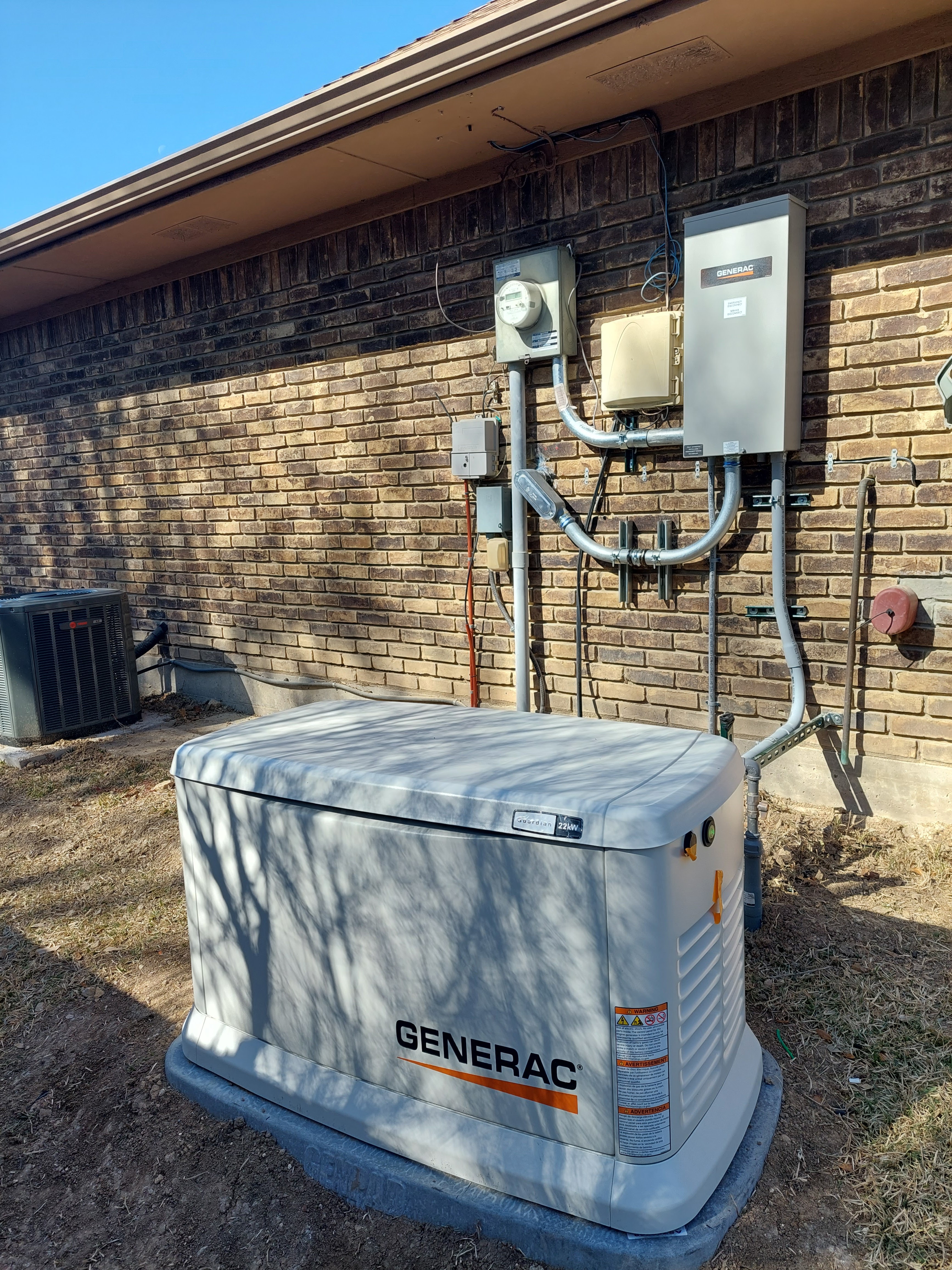
Safety first! Proper installation and regular maintenance keep your generator running smoothly and safely.
Importance of Transfer Switch Installation
A transfer switch is a must for any generator setup. It safely connects your generator to your home’s electrical system, preventing back-feeding, which can endanger utility workers.
Installing a transfer switch allows you to switch between grid power and generator power with ease. It’s not just a convenience; it’s a safety measure that ensures reliable electricity flow during outages.
Generator Permits in Plano
Securing the right permits is crucial for legal installation. In Plano, permits ensure your setup complies with local codes, safeguarding against hazards. For more details on generator permits, refer to this official document.
Don’t skip this step. Working with professionals like Tesla Alarm and Electrical simplifies the permitting process, ensuring compliance and peace of mind.
Regular Generator Maintenance Tips
Routine maintenance extends your generator’s life and reliability. Schedule regular inspections to check oil levels, filters, and battery health. Keep the area around your generator clear and clean.
Regular maintenance means your generator is always ready to perform. You avoid unexpected failures and costly repairs. Think of it as a small investment for long-term safety and reliability.
This guide ensures you’re ready to face Texas power outages with confidence. For expert installation and advice, contact Tesla Alarm and Electrical today. Protect your home, and ensure your peace of mind with a reliable generator setup.