Texas Business Backup Generator Installation Guide: Sizing, Codes, and Fast Installation in Plano/DFW
Power outages hit Texas businesses hard, especially when storms strike without warning. Losing electricity means lost sales, spoiled inventory, and frustrated customers. Your business needs a commercial standby generator ready to keep things running smoothly. This guide breaks down backup generator installation essentials for Plano and DFW, including load calculations, code compliance, and fast setups. Need backup power? Call Tesla Alarm and Electrical 24/7 or book online for a free on-site backup power assessment and same-week quote. For more insights, check out this generator installation guide.
Choosing the Right Generator
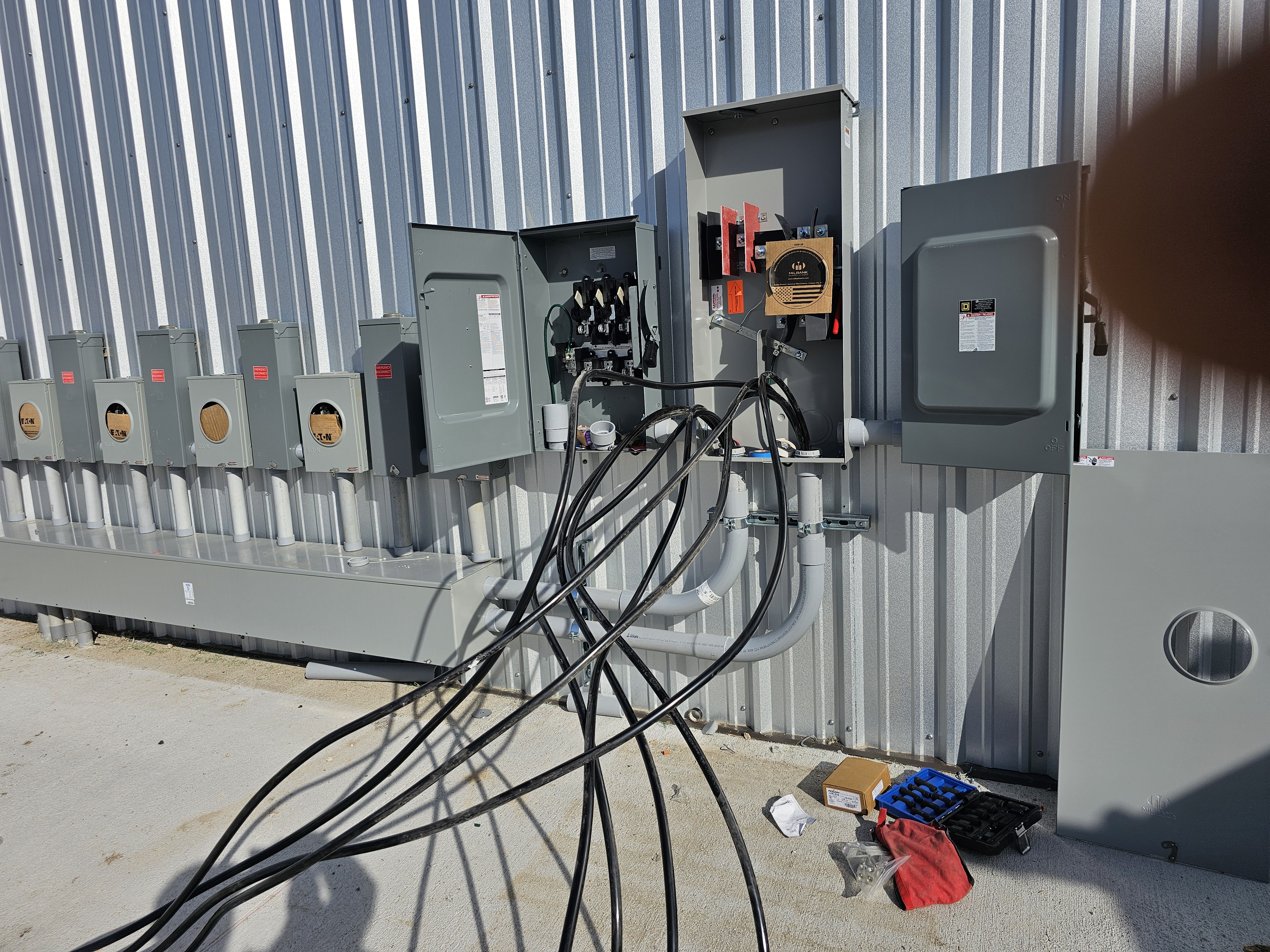
Selecting the perfect generator for your business is crucial. With the right one, you ensure operations don’t halt when the power goes out. Let’s explore the types, sizing, and fuel options available.
Understanding Generator Types
Generators come in various forms, each suited for different needs. Portable generators are great for small setups, while standby generators are ideal for businesses. Standby generators automatically kick in when the power drops, ensuring no interruption. For businesses, reliability is key. Most businesses prefer standby generators due to their automated switch-on feature, which keeps operations running smoothly without manual intervention.
For those who want a deeper dive into generator basics, head over to this comprehensive generator basics resource.
Generator Sizing Load Calculation
Correct sizing is vital. A generator that’s too small won’t handle your power needs, and one that’s too large is just wasteful. Start by listing all essential equipment and their power demands. Then, calculate the total wattage. This ensures your generator can handle peak loads without breaking a sweat. Consider consulting with a professional for accurate load calculations, ensuring your business runs seamlessly during outages.
Fuel Options: Natural Gas vs Diesel
Fuel choice impacts cost and efficiency. Natural gas generators are connected to your local gas line, offering continuous fuel supply. They’re cleaner and quieter but depend on gas infrastructure. Diesel generators, on the other hand, are known for durability. They store diesel on-site, providing backup even if gas lines are down. However, they require regular maintenance and can be noisier. Each option has its pros and cons, so choose based on availability and your business needs.
Navigating Local Codes and Permits
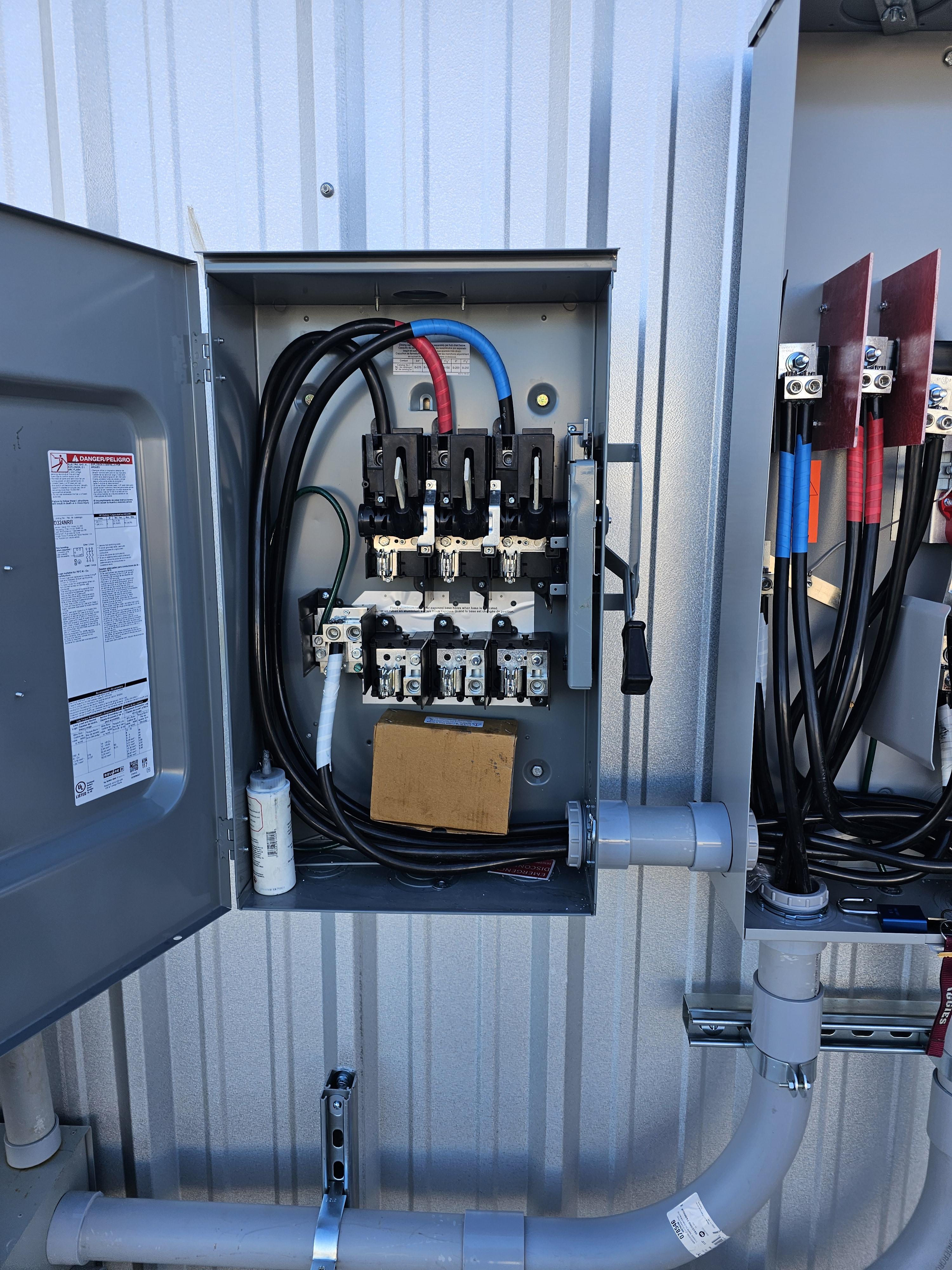
Before installation, understanding local codes is essential. Compliance ensures safety and avoids hefty fines. Here’s what you need to know.
Permit and Inspection in Plano
Getting a permit is the first step. In Plano, you need to submit installation plans for approval. This process includes site inspections to ensure compliance with local regulations. Once approved, regular inspections might follow to check ongoing compliance. Not following this can lead to penalties or even forced removal of the generator.
NFPA 110 and NEC 700 Compliance
Compliance with NFPA 110 and NEC 700 is a must. These standards ensure your generator is safe and effective. NFPA 110 deals with the installation and performance of emergency power systems. NEC 700 focuses on emergency systems, ensuring they operate during utility failures. Meeting these standards ensures your backup system is reliable when you need it most.
Working with a Commercial Electrical Contractor
Hiring a professional ensures everything is done right. A qualified contractor will handle permits, compliance, and installation. They bring expertise, ensuring your system is safe and efficient. Working with a reputable contractor like Tesla Alarm and Electrical provides peace of mind, knowing all aspects are covered professionally.
For more on generator procedures, check out this procedure guide.
Fast Installation and Maintenance
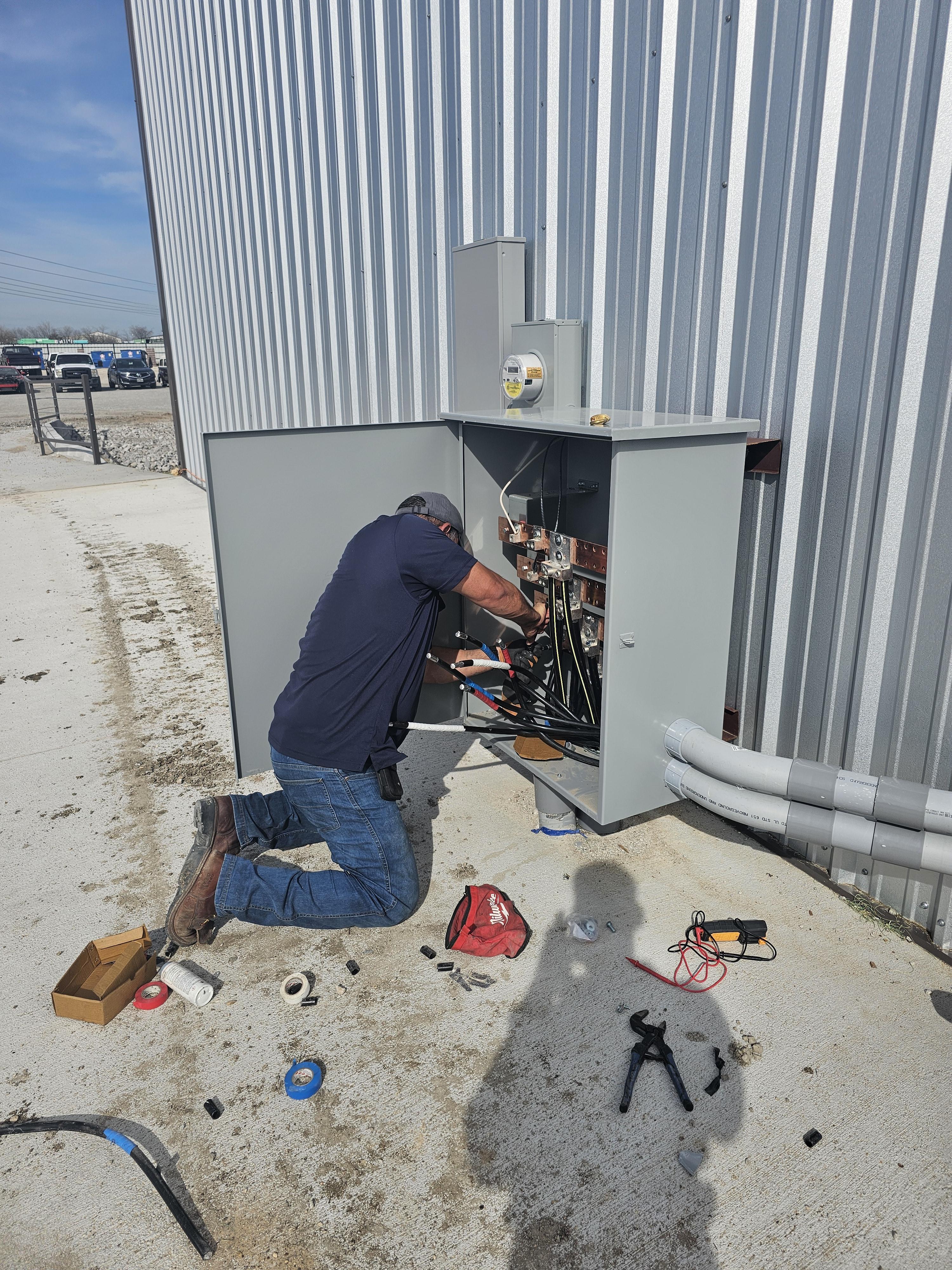
Quick installation and regular maintenance keep your generator ready for action. Let’s look at the steps involved.
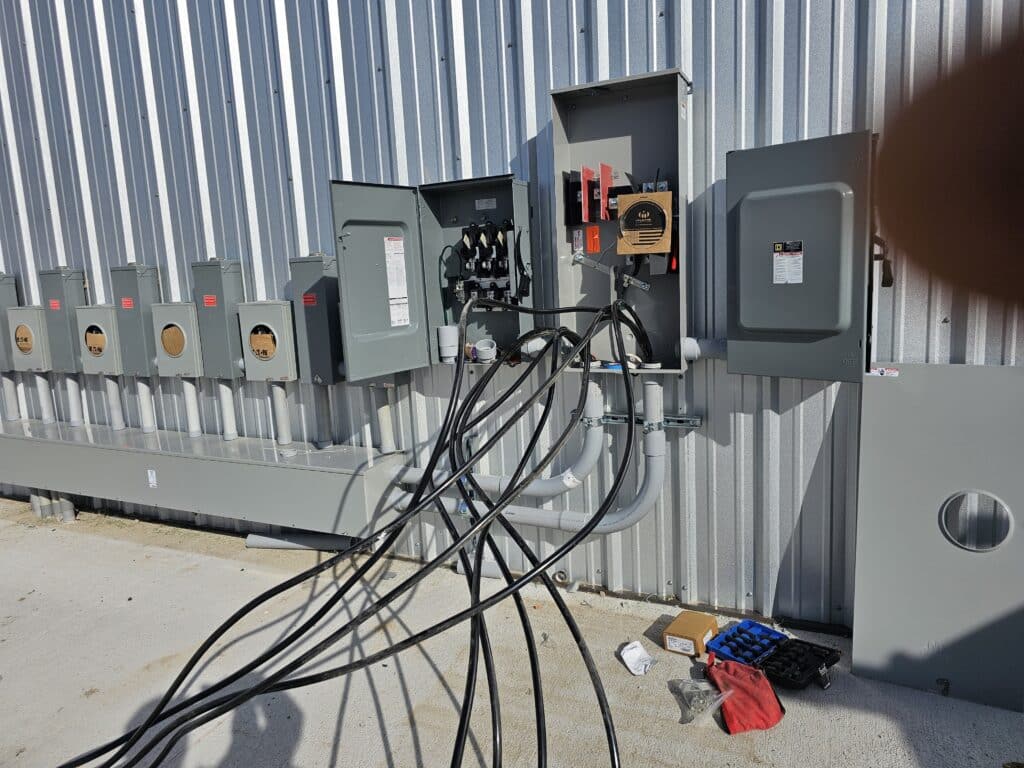
Automatic Transfer Switch (ATS) Installation
An Automatic Transfer Switch (ATS) is vital for seamless power transition. It detects power loss and switches to generator power instantly. This ensures no disruption to your operations. Installing an ATS requires expertise, making it essential to hire skilled technicians. With the right setup, your business stays powered without a hitch.
Developing a Generator Maintenance Plan
A maintenance plan ensures your generator is always ready. Regular checks prevent unexpected failures. Key tasks include oil changes, battery check-ups, and fuel inspection. Schedule routine maintenance to catch minor issues before they become major problems. A well-maintained generator means reliable power when you need it.
Explore more on preparing for installation with this checklist.
Ensuring 24/7 Emergency Readiness
Being prepared for emergencies is crucial. Regularly test your generator to ensure it kicks in during an outage. Training staff on basic generator operation can be invaluable. Having a 24/7 contact, like Tesla Alarm and Electrical, ensures help is just a call away. Don’t wait for an emergency to find out your generator isn’t ready.
By understanding the essentials of generator installation, sizing, and maintenance, your business can stay operational no matter what. Prioritize these steps to ensure your backup system is always ready to support your business. For more information on installation tips, visit this guide.