Your breaker keeps tripping, and it’s more than just a nuisance. Each trip risks damage to your home or business wiring and signals a possible safety hazard. Knowing the most common causes—from overloaded circuits to ground faults—can save you time and prevent bigger problems. Keep reading to learn quick checks you can do and when to call Tesla Alarm and Electrical for trusted, same-day help in Plano. For more detailed insights, you can explore this link.
Common Causes of Breaker Tripping
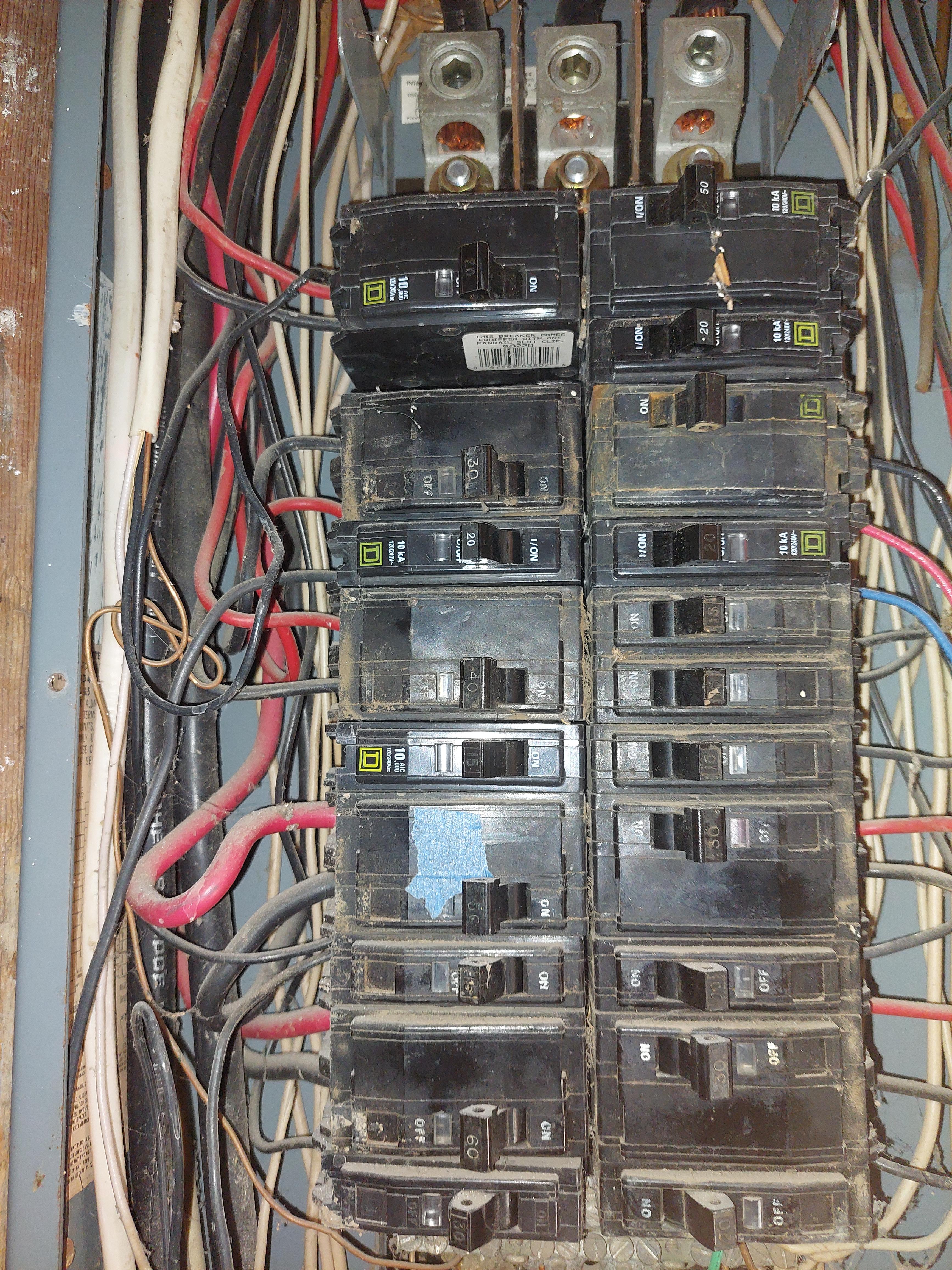
Understanding why your breaker keeps tripping is crucial for maintaining a safe environment. Let’s explore the primary reasons behind this common issue.
Overloaded Circuit Explained
An overloaded circuit is one of the typical reasons for a breaker to trip. This happens when the devices plugged into a circuit draw more power than it can handle. Imagine connecting multiple high-energy appliances, like a refrigerator and a microwave, to the same outlet. This can overload and cause the breaker to shut off.
To prevent this, you should distribute electrical devices across different circuits. Using dedicated circuits for heavy appliances is a smart way to avoid constant tripping. Remember, keeping an eye on your appliance usage can save you from frequent circuit shutdowns.
Identifying Short Circuits
Short circuits occur when a hot wire touches a neutral wire, creating a high current flow. This can cause the breaker to trip as a protective measure. A telltale sign of a short circuit is a burning smell or a blackened outlet.
Checking for loose wires or damaged cords can help identify the problem. If you notice any signs of a short circuit, it’s vital to address them immediately to prevent potential hazards. Short circuits are dangerous and can lead to fires, so treat them with urgency.
Understanding Ground Faults
Ground faults happen when a hot wire comes in contact with the ground wire or the metal box. This can cause a high current flow, triggering the breaker. They are commonly found in areas with water presence like kitchens and bathrooms.
Using Ground Fault Circuit Interrupters (GFCIs) can prevent such faults. These devices are designed to shut off the circuit when they detect ground faults. Always ensure your GFCIs are functional to safeguard against electrical shocks.
Quick Fixes and Safety Checks
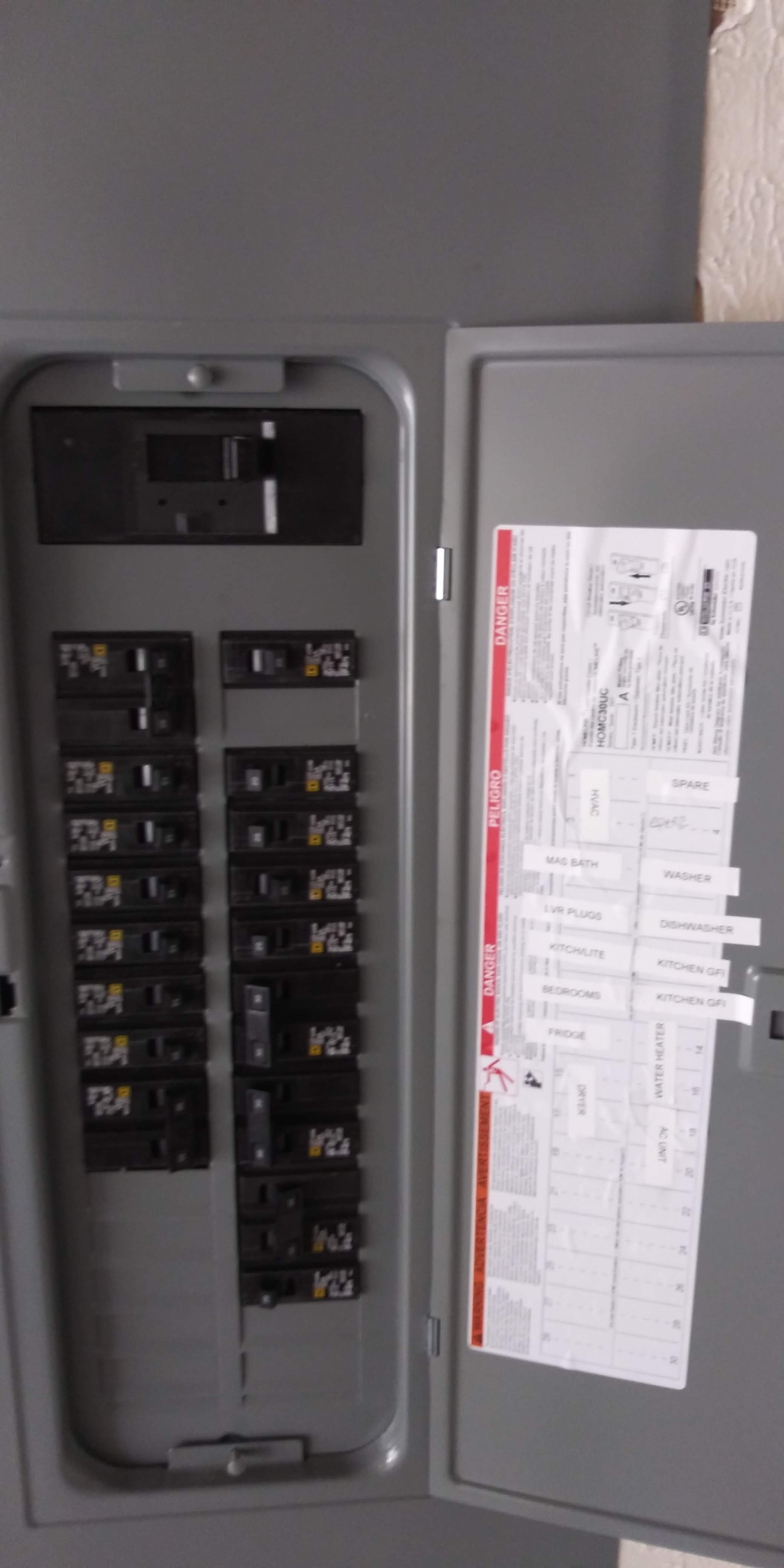
Now that we’ve identified the causes, let’s discuss some quick fixes and safety checks you can perform before calling a professional.
Examine Overloaded Circuits
Start by unplugging devices from the affected circuit. Reduce the number of appliances connected to a single circuit to see if this resolves the issue. If the breaker stays on after reducing the load, you’ve likely pinpointed the problem.
Next, consider redistributing your electronics by plugging them into different outlets. If you’re unsure which devices are causing the overload, try plugging them in one at a time to isolate the culprit.
How to Spot Arc Faults
Arc faults occur when electrical discharges are produced by loose connections or damaged wires. They can be a fire hazard, so identifying and fixing them is essential. Look out for flickering lights or odd noises near outlets—these could be signs of arc faults.
To spot an arc fault, listen for buzzing sounds or feel for warm spots around sockets. If you suspect an arc fault, turning off the power and checking the wiring is a wise step.
GFCI and AFCI Testing
Ground Fault Circuit Interrupters (GFCI) and Arc Fault Circuit Interrupters (AFCI) are safety devices installed in your electrical system. Testing them regularly ensures they’re in working order.
To test a GFCI, press the “test” button and ensure the circuit cuts off. Then, press “reset” to restore power. For AFCI breakers, a similar test can be conducted by pushing the test button. Regular testing keeps your home safe from electrical hazards.
When to Call a Professional
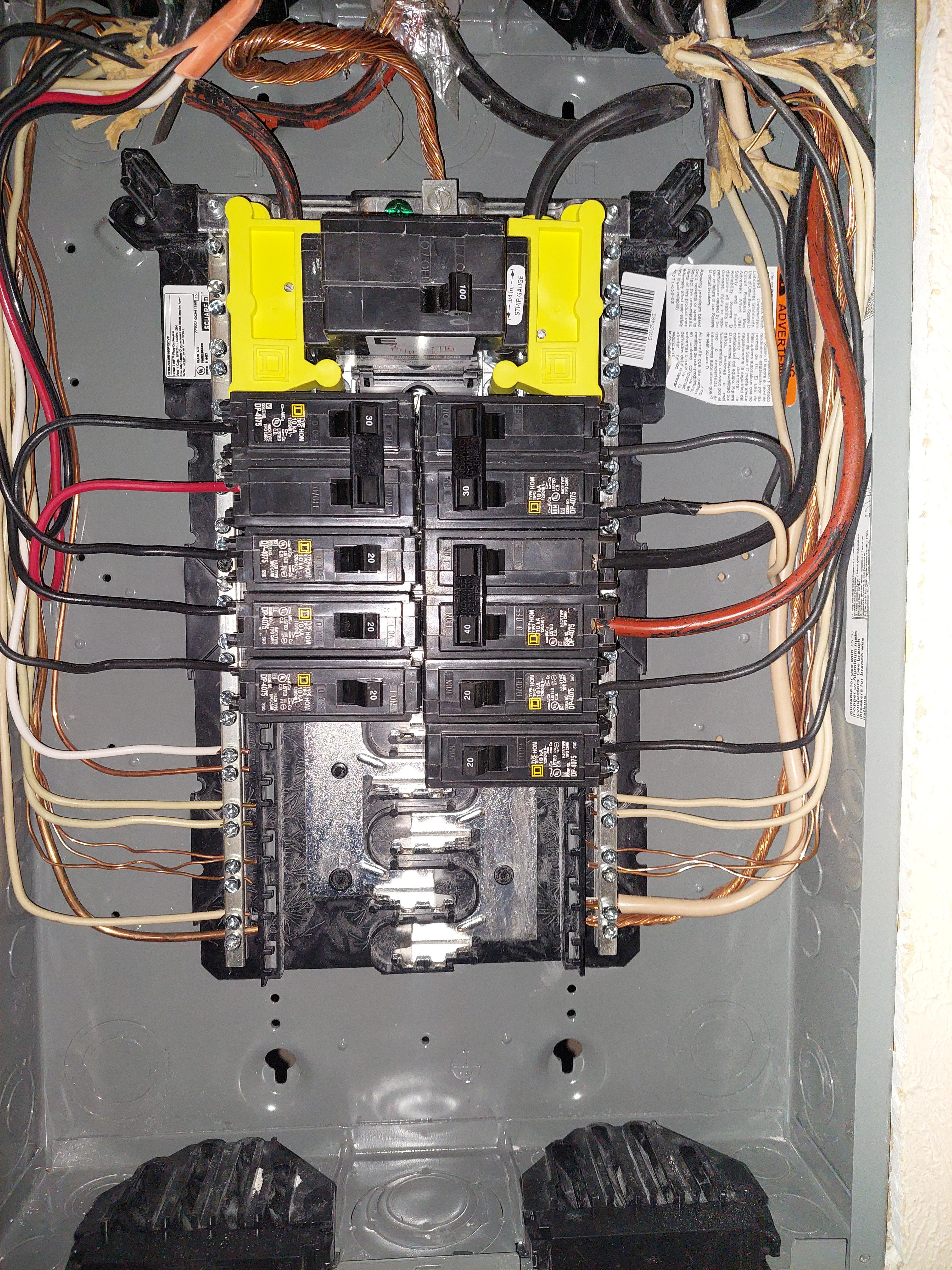
Knowing when to call an expert can save you time and prevent serious damage. Here’s when professional help is essential.
Importance of Electrical Safety Inspection
An electrical safety inspection is crucial if your breaker keeps tripping without a clear cause. Professionals use tools like thermal imaging to detect hidden issues.
Regular inspections help catch problems before they become serious, providing peace of mind. If it’s been a while since your last inspection, now is an excellent time to schedule one.
Benefits of Electrical Panel Upgrade Plano
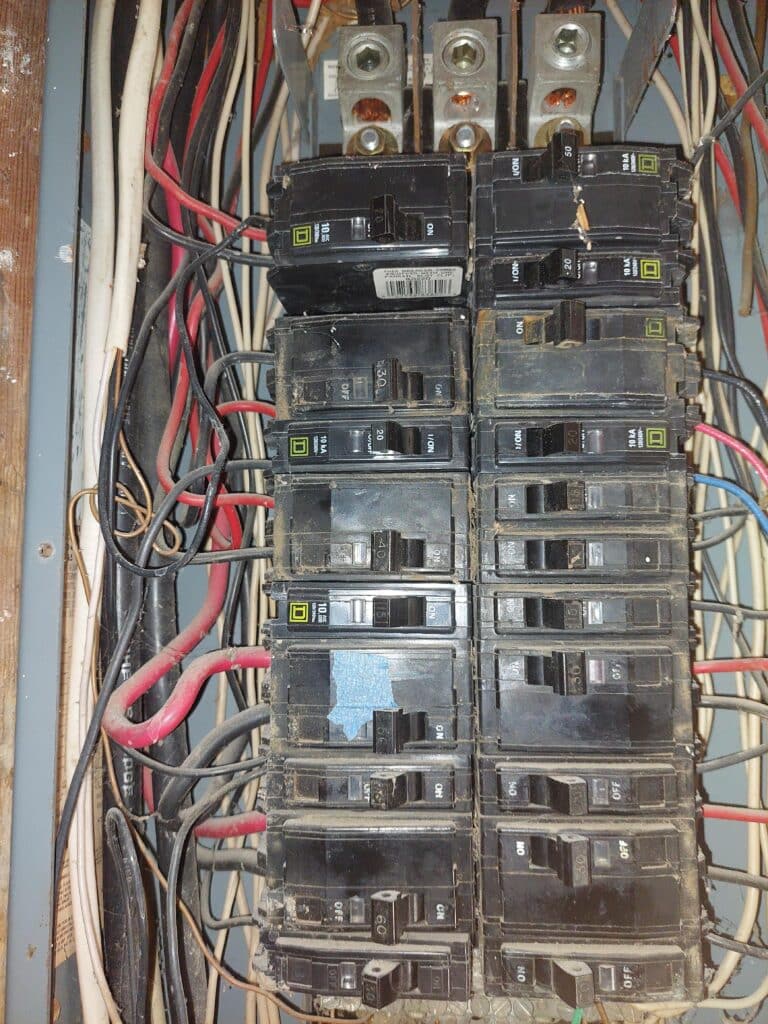
Older panels might not handle today’s power demands, leading to frequent breaker trips. Upgrading your electrical panel increases capacity and efficiency.
With a new panel, you reduce the risk of fires and improve energy distribution in your home. If your panel is over 20 years old, consider an upgrade for better performance.
Emergency Electrician Services in Plano
In urgent situations, like constant breaker trips or signs of a short circuit, an emergency electrician is your best bet. Tesla Alarm and Electrical offers 24/7 services, ensuring help is always available when needed.
Delaying can worsen the issue, leading to extensive damage. Quick professional intervention protects your property and ensures safety.
For more tips on breaker issues, check out this external link. If you want to discuss your specific needs, contact Tesla Alarm and Electrical for expert advice and solutions.