Power outages in North Texas have grown more frequent and unpredictable since ERCOT rolling outages started making headlines. When the grid goes down, your home or business can grind to a halt without the right backup generator Plano or standby generator Dallas solution. This playbook walks you through critical steps like generator load calculation, transfer switch installation, and fuel choices so you can build a backup power plan that fits your needs and keeps your property running smoothly.
Backup Power Essentials
Start your backup power journey by understanding the basics. Making informed choices on sizing, fuel, and installation ensures you’re prepared when outages hit.
Sizing Your Backup Generator
Choosing the right generator size is crucial. Estimate your power needs by listing essential appliances and their wattage. Aim for a generator that can handle your total wattage plus a little extra. For instance, if your fridge, HVAC, and lights total 6,000 watts, a generator rated for 7,500 watts offers a safety cushion. A generator too small risks overload, while one too large could mean unnecessary fuel costs.
Calculate your needs carefully. Oversized generators can cost more upfront and in fuel. Undersized ones might not power your essentials during an outage. Consulting with professionals can help you determine the best fit for your home or business, ensuring you don’t over or under invest.
Fuel Choices: Natural Gas vs Propane
Fuel type impacts generator performance and cost. Natural gas generators connect directly to your gas line, offering convenience and long-term use without refueling. They’re ideal for homes with existing gas infrastructure. On the other hand, propane generators use tanks, making them portable and easy to install. Propane might be better if you need flexibility or don’t have a gas line.
Consider availability and storage. Propane tanks require space and regular refills, while natural gas needs a reliable supply line. Factor in costs and convenience to decide which fuel suits your needs.
Transfer Switch Installation
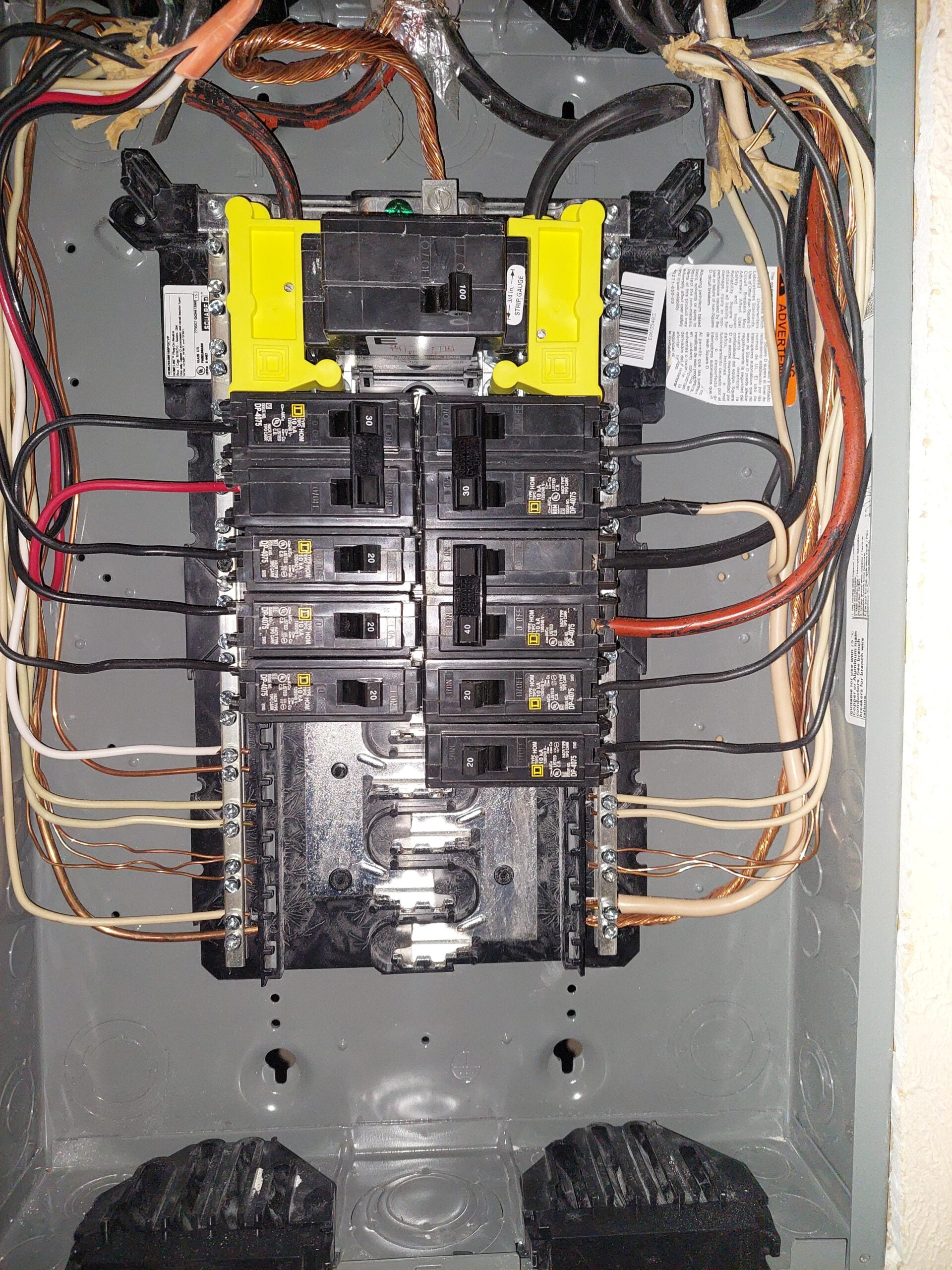
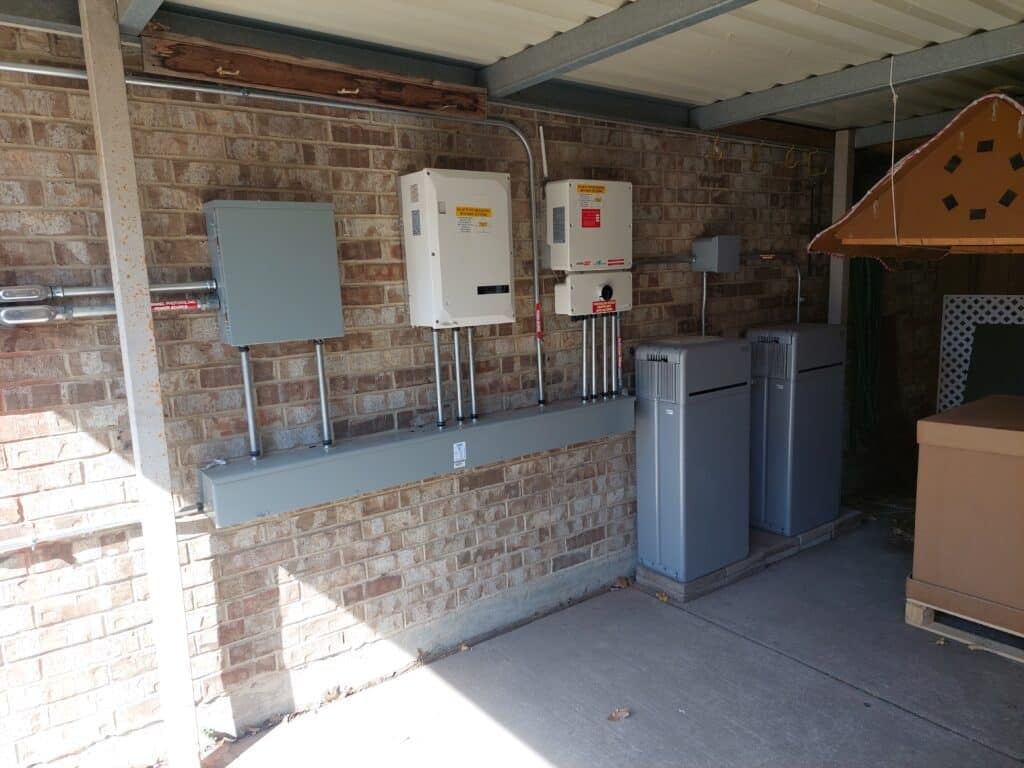
A transfer switch is key for safety and convenience. This device connects your generator to your electrical system, letting you switch between grid and generator power seamlessly. An automatic transfer switch (ATS) changes power sources automatically, ideal for those who travel or have busy schedules. A manual switch, however, can be cost-effective and sufficient for smaller setups.
Professional installation is crucial to ensure safety and compliance with local codes. A well-installed transfer switch prevents backfeeding, which can endanger utility workers and damage your generator.
Planning for North Texas Power Outages
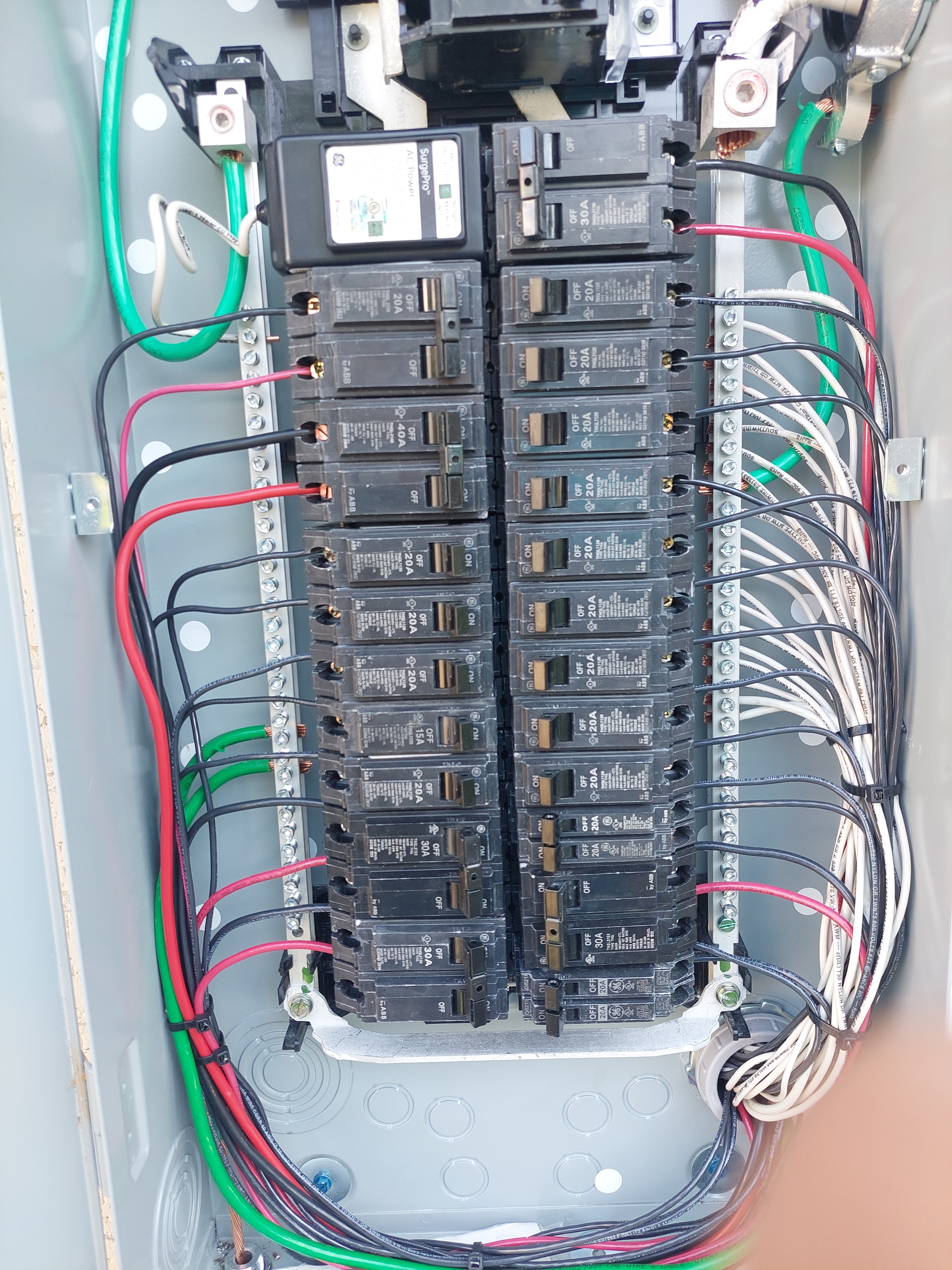
In North Texas, power outages are a reality. Planning ahead helps minimize disruption and protect your property.
Generator Load Calculation Tips
Accurate load calculations prevent overloading your generator. Start by listing all devices you need during an outage: consider essentials like HVAC, refrigerators, and lights. Use a load management system to prioritize critical loads if your generator’s capacity is limited.
Think about peak and continuous loads. Some devices, like air conditioners, have high startup energy demands that can strain your system. Knowing these can help you choose between a portable vs standby generator that meets your needs.
Navigating Code and Permitting
Adhering to local codes is vital for safety and legality. Check with your local building department about permits required for generator installation. NEC 702 compliant installation ensures your setup meets national safety standards. This not only protects your home but also ensures your insurance remains valid.
Work with professionals familiar with North Texas regulations. This ensures seamless installation and avoids costly fines or legal issues.
Maintaining Your Backup System
Regular maintenance keeps your generator ready for action. Include checks on oil levels, battery health, and fuel condition in your routine. A generator maintenance plan helps catch issues early and extends your generator’s lifespan.
Schedule yearly inspections with professionals who can spot and fix potential problems. Keep your generator in top shape so it’s ready when you need it most.
Designing a Custom Solution
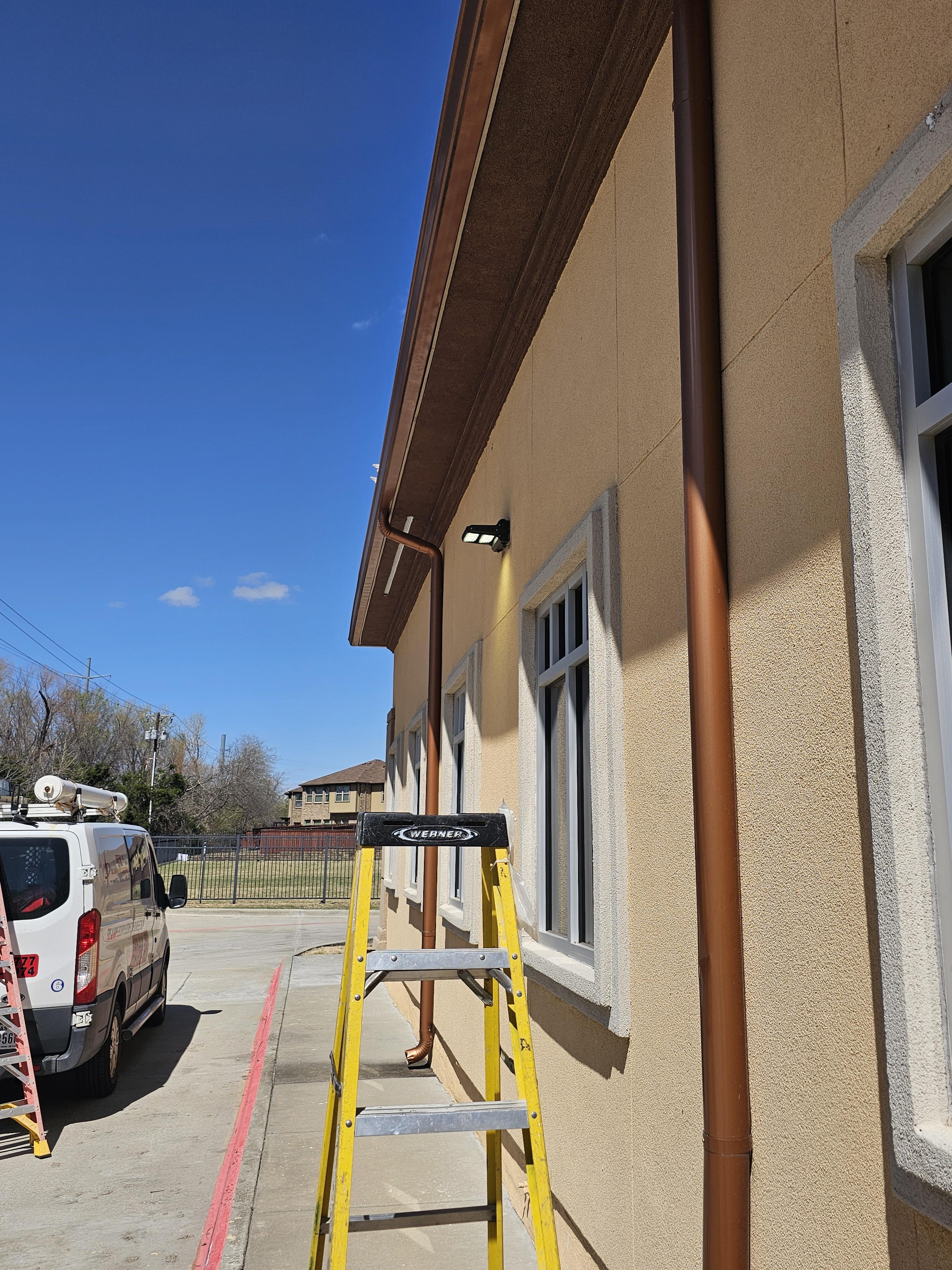
Tailor your backup power to your unique needs, considering critical circuits, security, and protection.
UPS Systems for Critical Circuits
Uninterruptible Power Supply (UPS) systems offer instant power during outages, protecting sensitive electronics. Ideal for keeping your server room or essential office equipment running, a UPS for server room Dallas ensures data and operations remain uninterrupted.
Choose the UPS size based on your equipment’s load requirements. This ensures that your most critical circuits receive power without delay during an outage.
Battery Backup for Security Systems
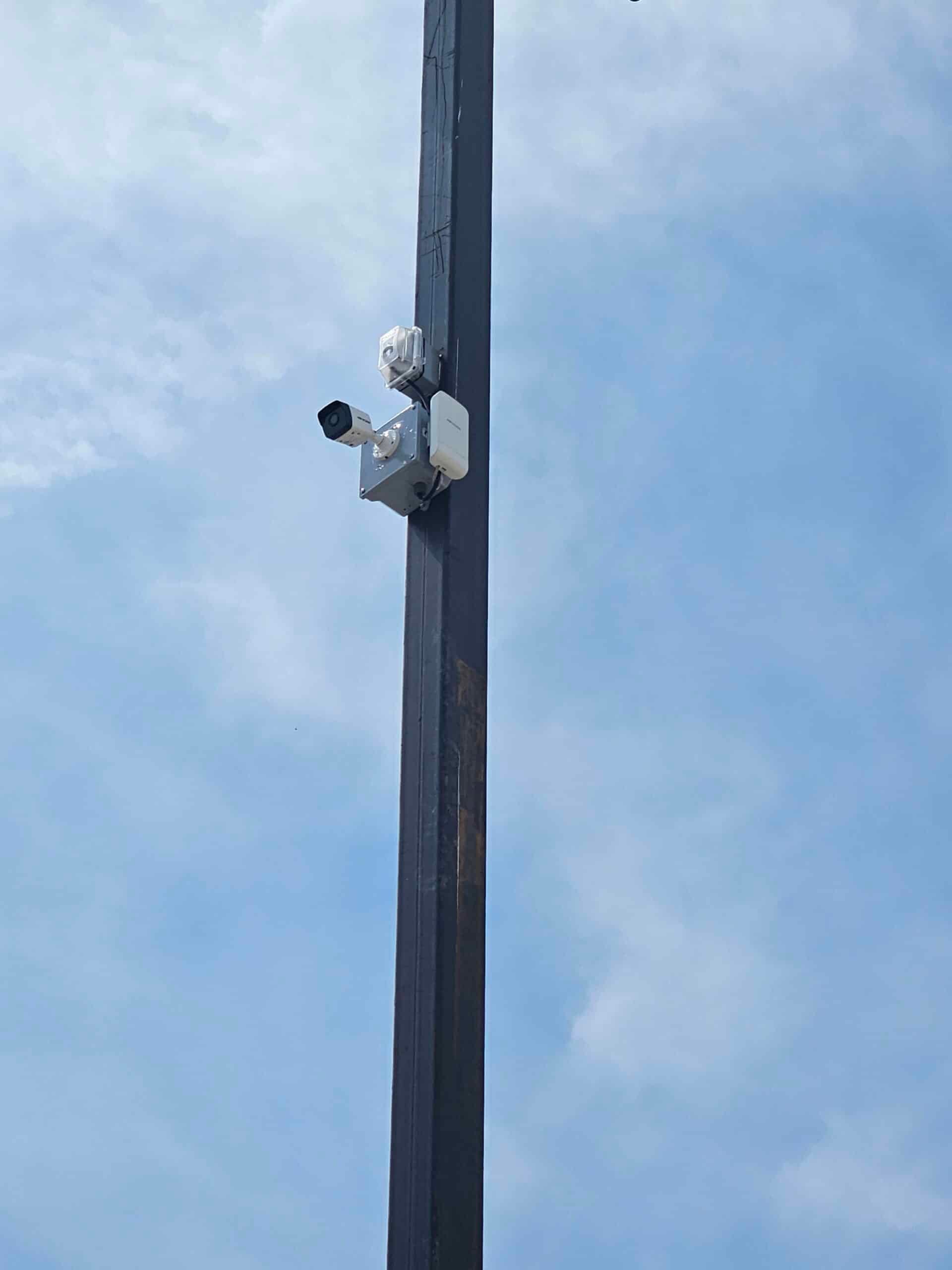
Security is paramount, even during outages. A battery backup for security systems guarantees your cameras, alarms, and locks operate continuously. This prevents security lapses that could leave your property vulnerable.
Select a battery backup with enough capacity to run your security system for extended periods. This keeps your property safe even during prolonged outages.
Whole-Home Surge Protection Options
Surge protection shields your appliances and electronics from power surges. Whole-home surge protection defends against spikes from lightning strikes or grid fluctuations, protecting your investments.
Integrate surge protection with your generator setup for comprehensive protection. This reduces the risk of damage and enhances your home’s resilience against electrical disturbances.
Frequently Asked Questions
Q: What size generator do I need for my home?
A: Determine your power needs by listing essential appliances and their wattage. Choose a generator that can handle this load with a safety margin.
Q: Is natural gas or propane better for a generator?
A: It depends on your setup. Natural gas offers convenience if you have a gas line, while propane provides portability and is easy to install.
Q: Do I need a permit to install a generator?
A: Yes, most areas require permits for generator installations. Check with your local building department to ensure compliance with local codes.